 Believe
 Fear
Fear Strength
 Weakness
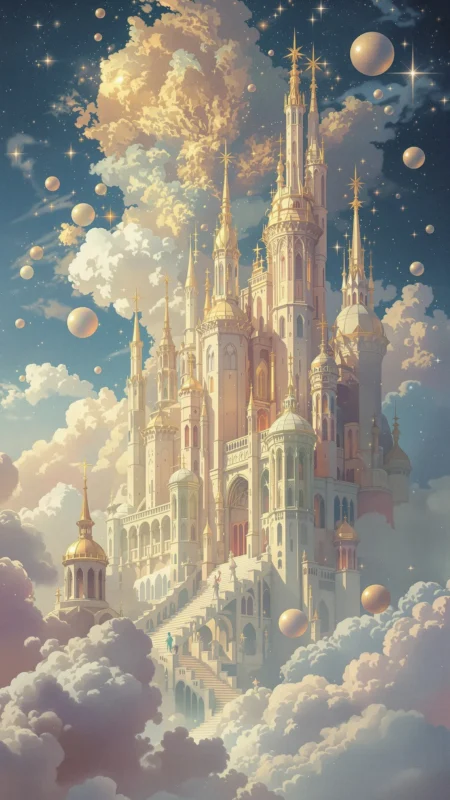
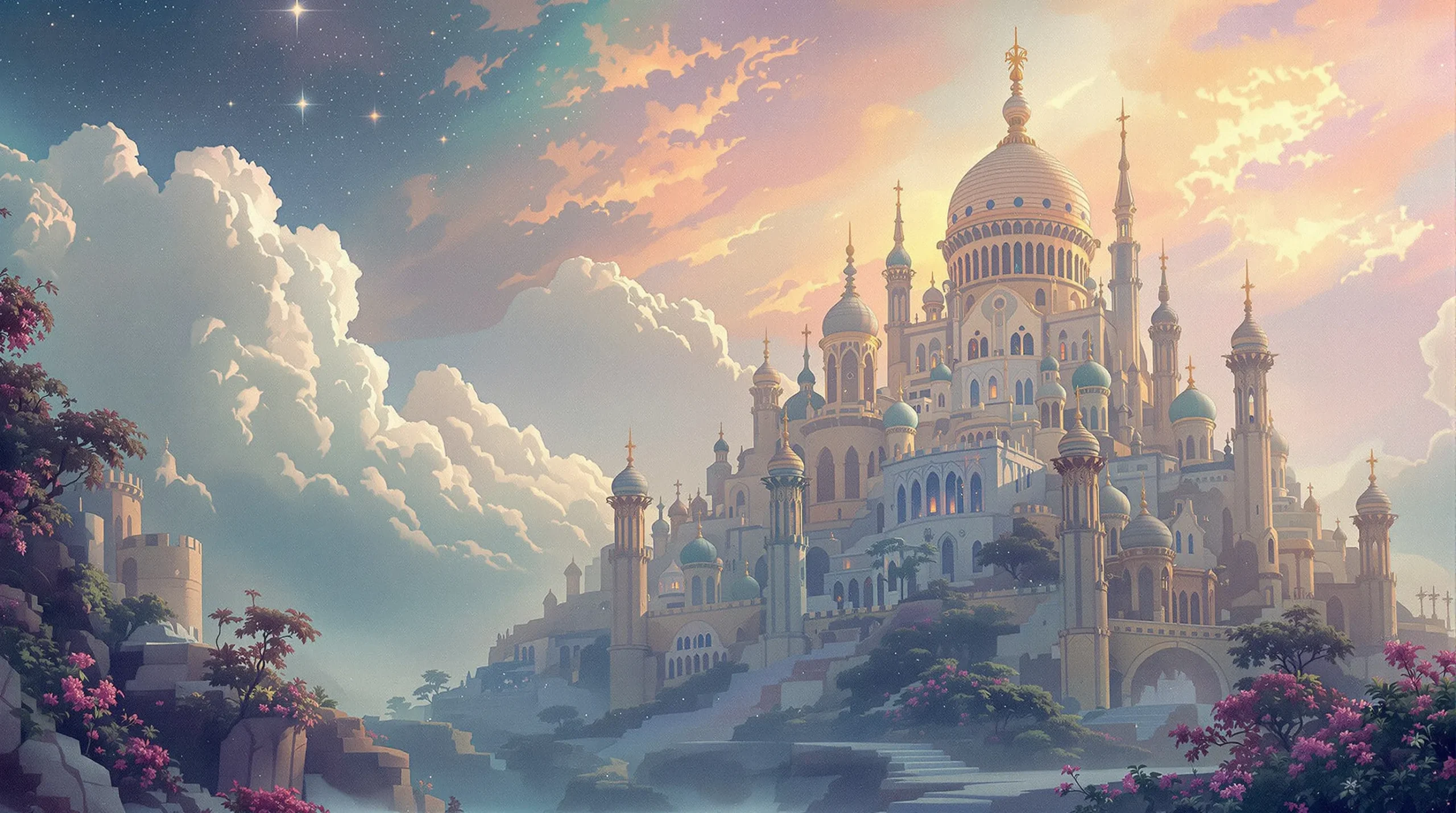
In the modern mythos, the Citadel archetype speaks to the curated self, the deliberate construction of an identity in a world of relentless exposure. It is the conscious architecture of our inner life. To have the Citadel as part of your story is to be engaged in the lifelong project of building a sanctuary for your own soul, a place where your truest values are enshrined and protected from the corrosive elements of cynicism and conformity. This is not a fortress born of fear alone, but perhaps one of love: a testament to the idea that some things are so precious they require walls, guards, and a gatekeeper who knows the password is not a word, but a feeling of profound recognition.
This archetype also symbolizes the tension between safety and isolation. The very walls that protect can also imprison. The Citadel in your personal mythology could be a sunlit castle, full of life and learning, or it could be a cold, barren keep, where you are the sole resident, a prisoner of your own defenses. Its meaning is fluid, shifting with your relationship to the outside world. It asks you to constantly assess the state of your own fortifications: are they serving you, or are you serving them? Are the gates rusted shut from disuse, or do they open smoothly for those who have earned your trust?
The Citadel may represent the profound need for a psychic space that is entirely your own. In an era where every thought can be broadcast and every moment shared, it is the quiet rebellion of the un-posted thought, the un-shared experience, the part of you that remains un-colonized by external expectation. It is your inviolable core, the high tower where you can retreat to remember who you are when the noise of the world threatens to drown out your own name. It is the source of your gravity, the thing that holds you together when all else is pulling you apart.