 Believe
 Fear
Fear Strength
 Weakness
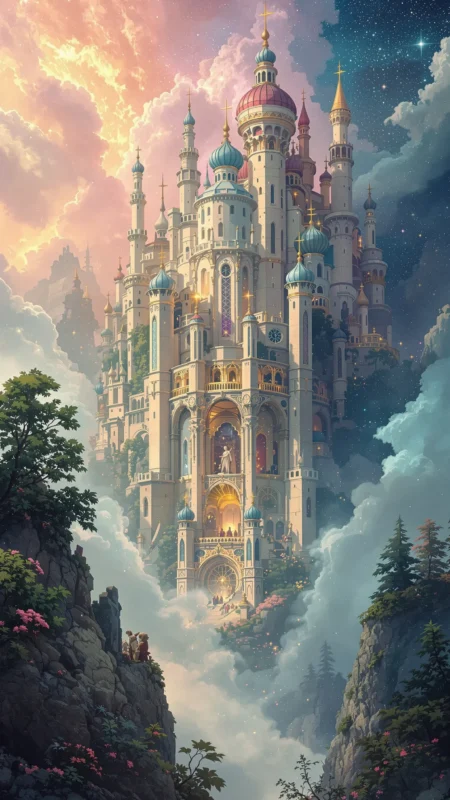
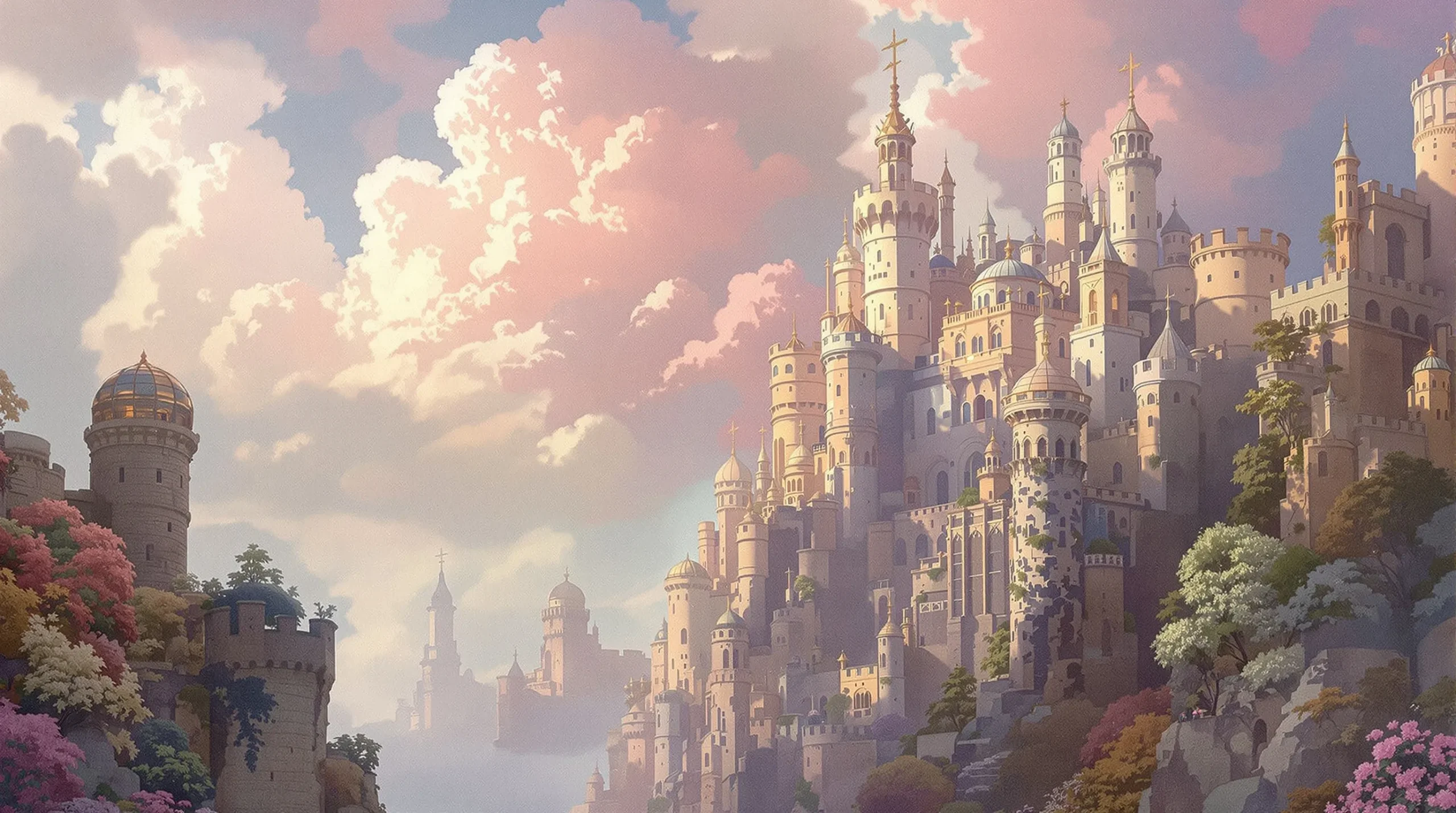
In the landscape of a personal mythos, the Fortress is the architecture of the self you have painstakingly built. It represents the boundaries, the rules of engagement, and the non-negotiable truths that define where you end and the world begins. Its walls may be constructed from the stones of past hurts, mortared with hard-won wisdom. To have the Fortress archetype is to be a sovereign territory, to understand that your inner world is a kingdom worthy of a standing army. It is the recognition that not all lands within you should be public parks; some are private gardens, some are armories, and some are sacred chapels accessible only to the self and the divine.
The Fortress could also symbolize a necessary period of psychological incubation. It is the chrysalis, the cave, the womb: a place where one can retreat to undergo profound transformation. The world's noise is muted by thick stone walls, allowing the faint whisper of the soul to be heard. This archetype may rise within your mythos during times of great vulnerability, not as a sign of fear, but as a sign of imminent growth. It is the quiet, deliberate act of pulling up the drawbridge to give a fragile, emerging part of yourself the safety it needs to mature.
Yet, its meaning is a blade with two edges. The Fortress that protects can also imprison. It might stand for the beliefs that have become too rigid, the defenses that now block out love as effectively as they block out harm. It could be the story you tell yourself about your own isolation, casting it as a strength to hide the fear of connection. The empty banquet hall, the silent corridors, the lone watchman on the battlements: these are the symbols of a Fortress that has forgotten its purpose is to protect a life, not to become a tomb.