 Believe
 Fear
Fear Strength
 Weakness
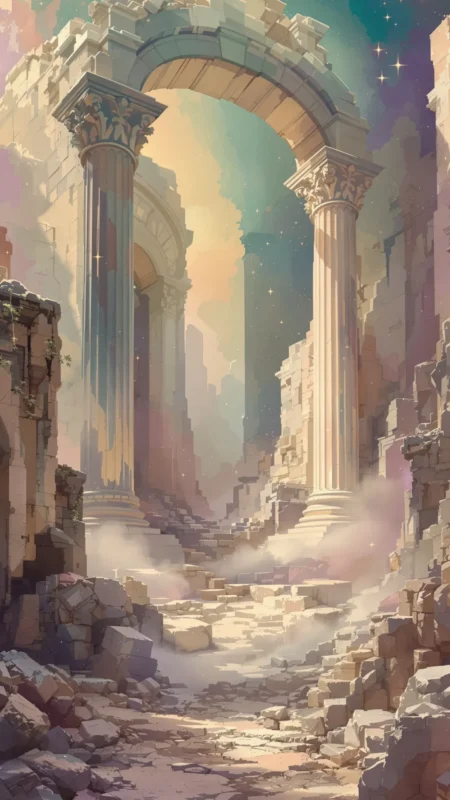
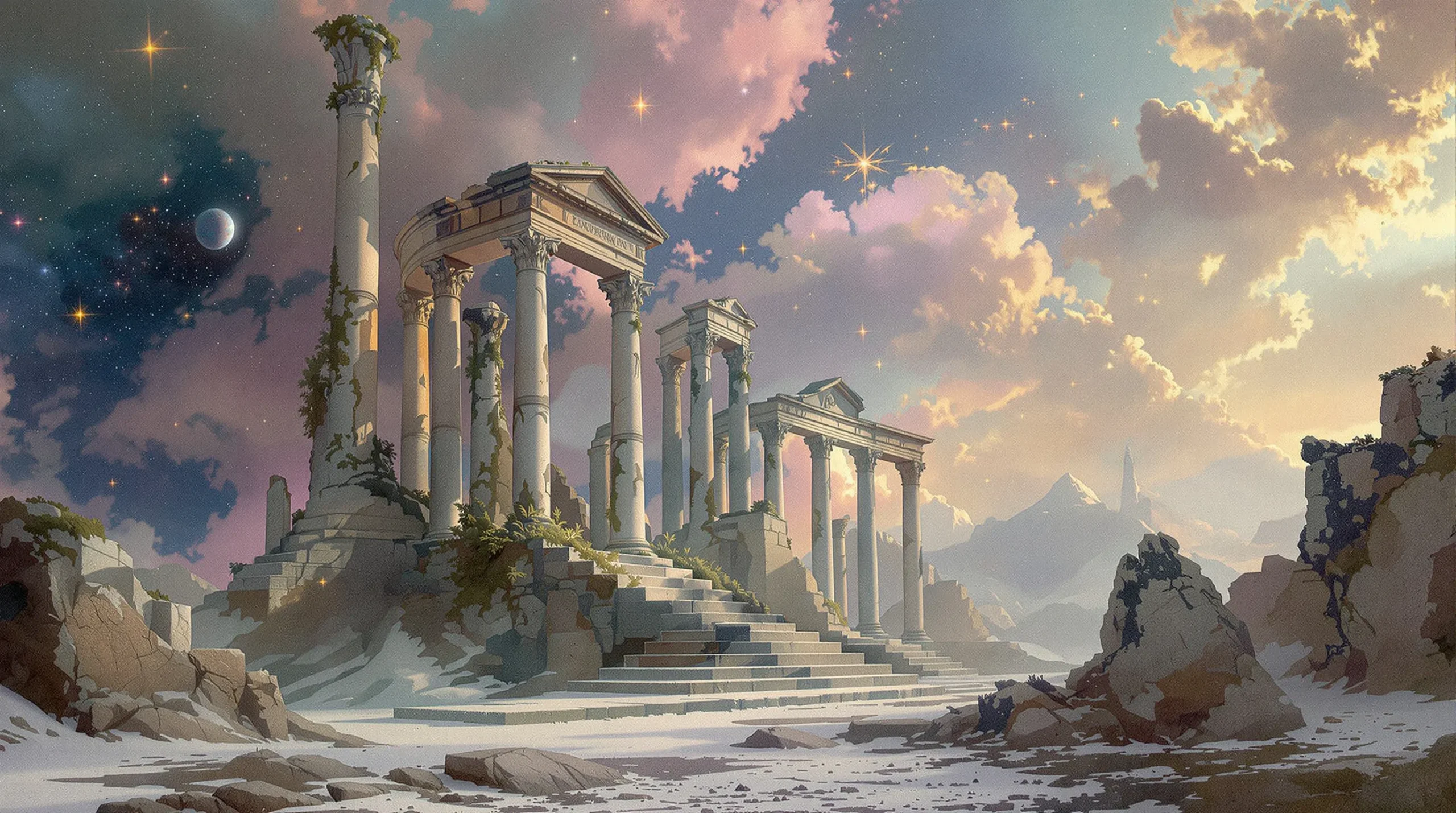
In your personal mythology, the Ruins may symbolize the enduring architecture of your past. They are the collapsed structures of former selves, abandoned beliefs, and ended relationships that still form the foundational landscape of who you are. To walk these ruins is to engage in a dialogue with your own history, not as a story that is finished, but as a place that is still inhabited by echoes and overgrown with new insights. This archetype suggests that your identity is not a singular, pristine tower but a sprawling, ancient city, beautiful in its fragmentation. It is a quiet testament to the idea that you are built not only on your successes but on the noble bones of your failures.
The Ruins teach a profound lesson in the aesthetic of imperfection. They challenge a cultural narrative obsessed with relentless progress, newness, and flawless surfaces. Instead, they offer a space for grace in what is broken, weathered, and incomplete. Having this archetype in your mythos might mean you find a strange comfort and authenticity in your own scars and inconsistencies. You may believe that a life, like a stone wall, is made more interesting by the moss and cracks it accumulates over time. This is not a resignation to defeat, but an embrace of a deeper, more organic form of beauty: the beauty of having lived.
Ultimately, a ruin is also a symbol of potential. It is not just an ending; it is a clearing. Where a roof has collapsed, the stars can be seen. Where a wall has fallen, a new path can be forged. This landscape represents the fertile ground that emerges after a great upheaval. The stones of a fallen castle can be used to build a humble cottage, and the rich soil gathered in its forgotten courtyards can birth a wildflower meadow. For you, the Ruins may signify that from the collapse of a grand life plan, a more authentic, wild, and resilient ecosystem of self can emerge.