 Believe
 Fear
Fear Strength
 Weakness
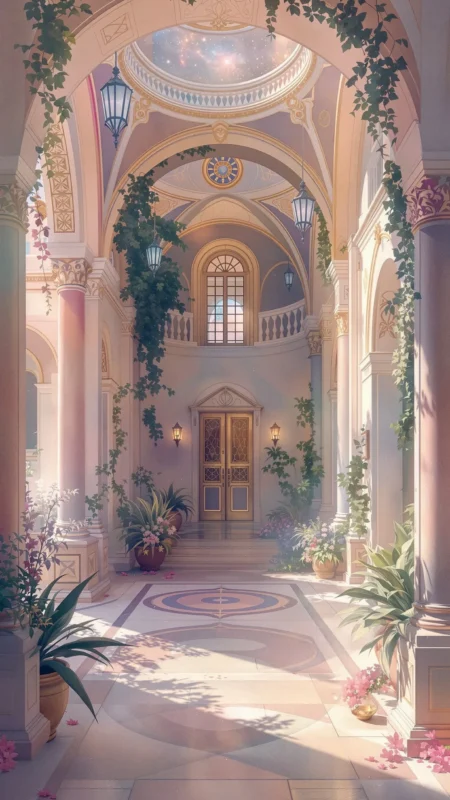
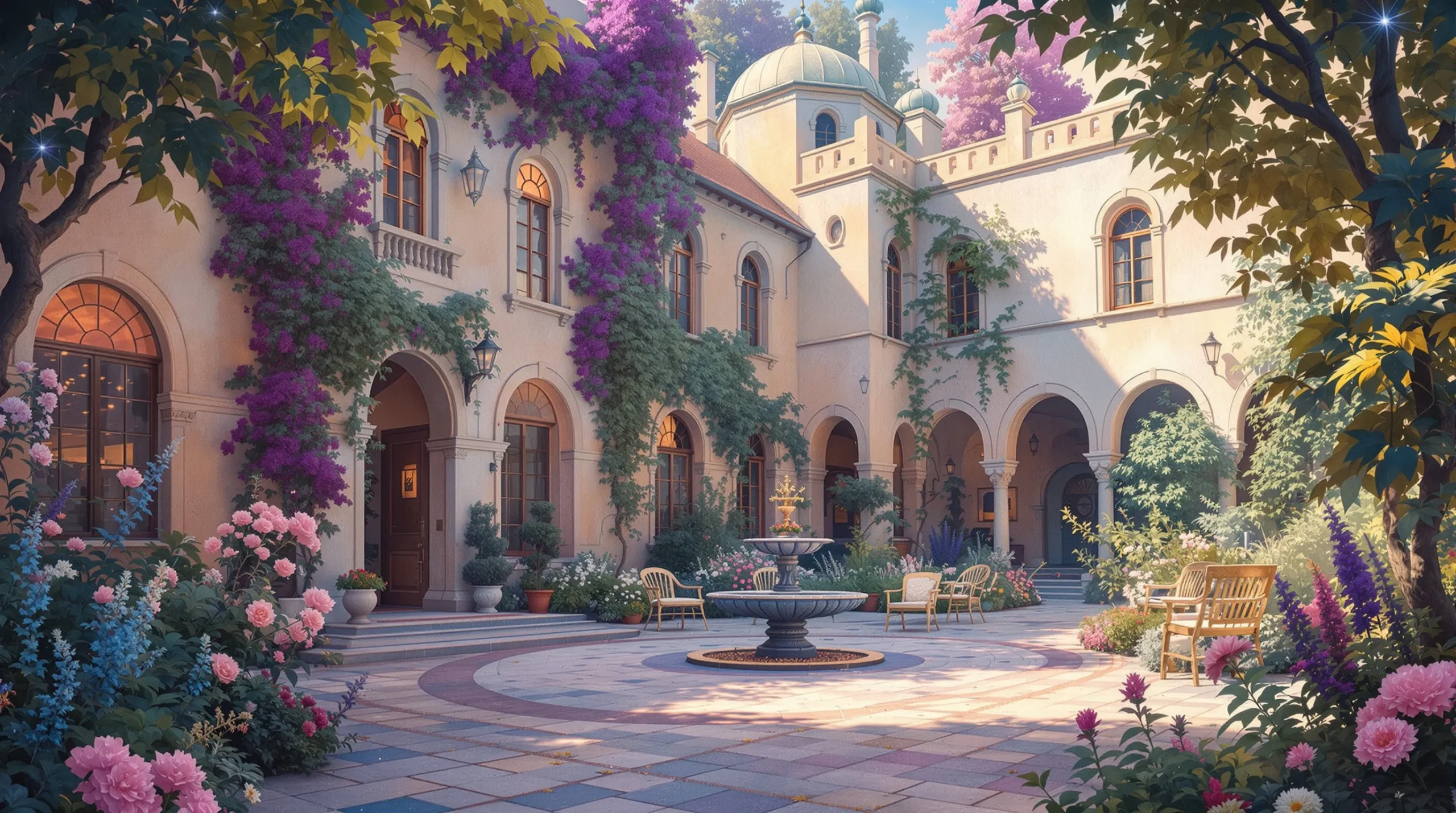
The Courtyard in one's personal mythology could represent the curated inner life, a space consciously constructed within the self that is both sheltered and open to inspiration. It is the part of you that is not for public consumption, yet not entirely hidden either. It is where you meet yourself. This archetype suggests a personality that values structured introspection, a balance between the wildness of the inner world and the civilizing influence of the conscious mind. To have a Courtyard in your mythos is to possess a sanctuary for your most cherished ideas, relationships, and aspects of your identity, allowing them to grow in a protected environment before they are, if ever, revealed to the wider world. It is the architecture of a deliberate soul.
This archetype may also speak to a deep need for a place of integration. The Courtyard, open to the sky but enclosed by walls, perfectly symbolizes the paradox of being a private individual in a public world. It is the psychic location where you integrate experiences from the outside—the marketplace, the battlefield, the chaotic journey—into your personal narrative. Here, raw events are processed, given meaning, and woven into the tapestry of the self. The central fountain often found in courtyards could symbolize the ever-flowing source of selfhood or emotion, contained and beautiful, rather than a destructive, uncontrolled flood.
In a modern context, the Courtyard archetype might be a powerful antidote to the relentless exposure of digital life. It represents the conscious act of creating privacy, of cultivating a life that has depth beyond its surface presentation. For someone whose mythos contains this space, their personal growth may not be a public performance but a quiet, patient cultivation. They may understand that the most profound transformations happen not on the world stage, but in the quiet, sun-dappled corners of the soul, where one is accountable only to the sky above and the foundations beneath.