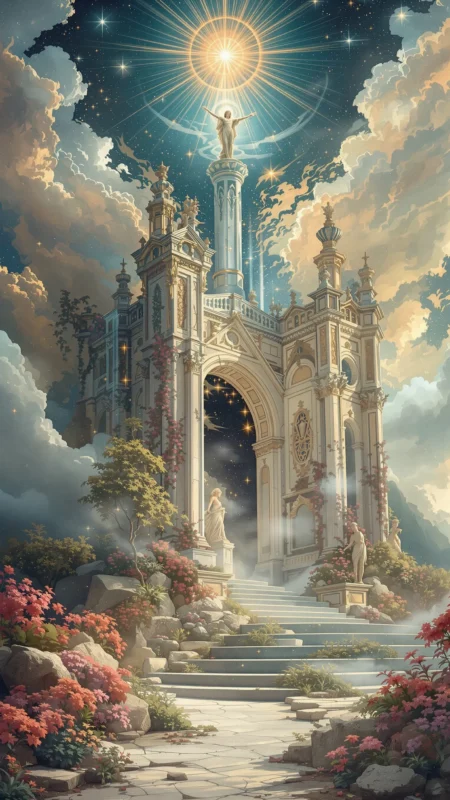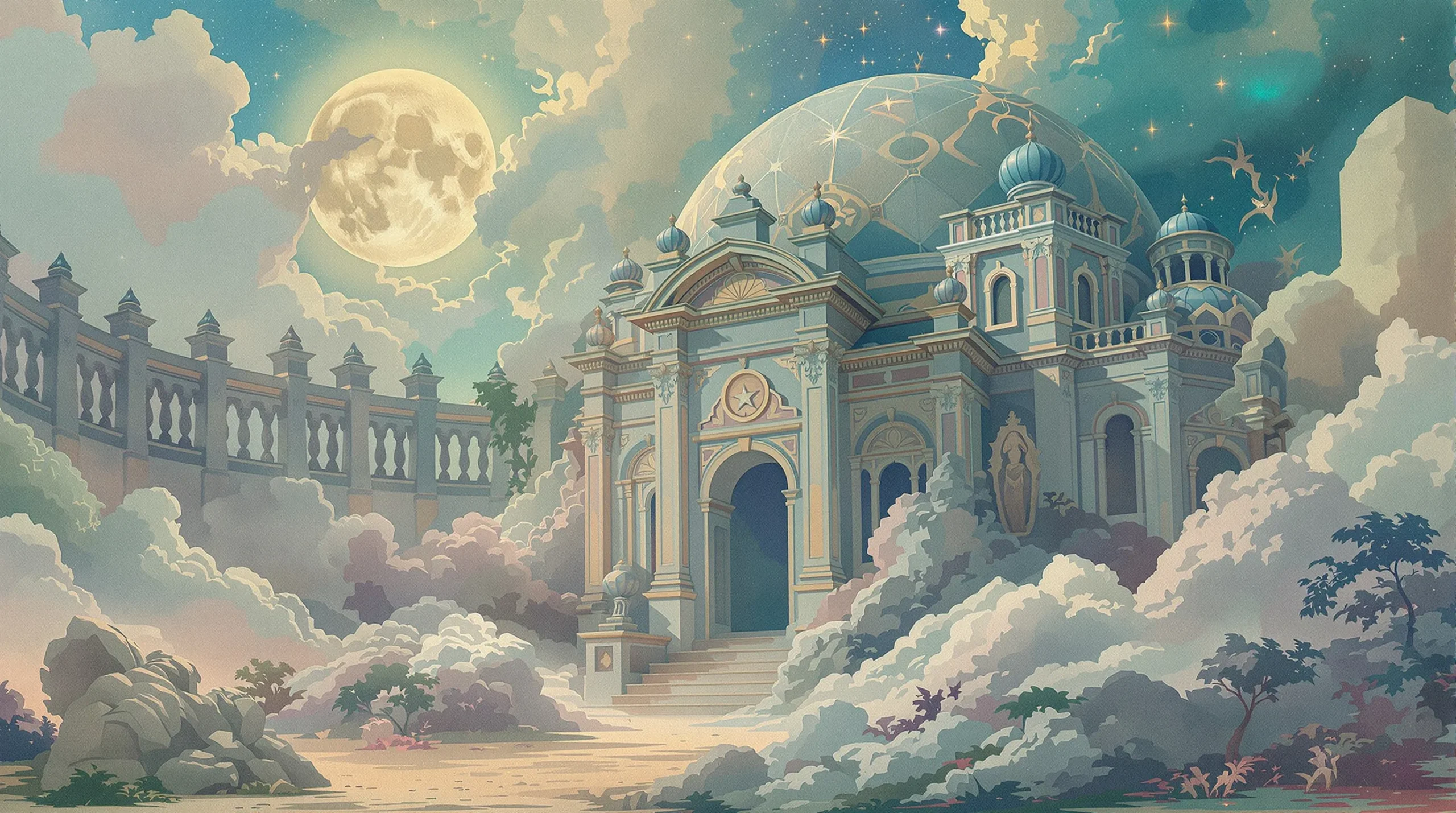


Tomb

Archetype Meaning & Symbolism

Quiet, ancient, secretive, protective, final, transformative, deep, still, preserving, solemn

  • Rest here. What is meant to be remembered will endure the silence.

If Tomb is part of your personal mythology, you may...

Believe

  • The most important truths are not spoken aloud but are discovered in silence.

  • What is gone is not lost, merely preserved in a different form.

  • A period of darkness is necessary for any true growth.

Fear

  • Being forgotten, that the story contained within will be lost forever.

  • Desecration: that someone will break into your inner world and misunderstand or misuse what they find.

  • That the tomb is actually empty, that there are no profound secrets within, only a void.

Strength

  • Profound self-possession and an inability to be swayed by popular opinion.

  • The ability to hold space for difficult emotions and experiences, both for yourself and others.

  • A deep connection to history, legacy, and the enduring patterns of life.

Weakness

  • A tendency toward isolation and emotional unavailability.

  • Difficulty letting go of the past, preserving grievances or sorrows like sacred relics.

  • Resistance to change and a fear of the new, preferring the known quiet of the past to the unpredictable noise of the future.

The Symbolism & Meaning of Tomb

In personal mythology, the Tomb archetype is not an endpoint but a vessel of profound interiority. It is the soul’s private chamber, the place where memories are not merely stored but curated, like treasures arranged in a pharaoh's vault. To have the Tomb as part of your landscape is to understand that the self is an archaeological site, with layers of experience buried beneath the surface. Self-discovery, then, is a careful excavation: brushing the dust off a forgotten joy, cataloging the shards of an old heartbreak, and realizing that every past self is preserved within the bedrock of your being. This archetype champions the value of what is hidden, suggesting that one's truest essence is not what is broadcast to the world, but what is kept safe in the silent, hallowed ground within.

The Tomb is also the great symbol of gestation. It is the necessary darkness that precedes any significant birth or rebirth. Your personal myth may be punctuated by periods of voluntary withdrawal, of entering a self-imposed tomb to allow a new identity, a creative work, or a difficult truth to form undisturbed. It represents the faith that enclosure is not imprisonment, but incubation. This is the quiet of the winter field before the spring thaw, the stillness of the cocoon before the butterfly emerges. It is a profound trust in the transformative power of stillness, a belief that some things can only grow in the dark, away from the demanding glare of the sun.

Furthermore, the Tomb speaks to the nature of legacy. It asks: what of you is built to last? It shifts the focus from ephemeral, daily achievements to the enduring structures you build in your own life and in the lives of others. Your mythos might be a narrative about creating something—a philosophy, a family story, a body of work—that is worthy of being sealed and preserved. It fosters a long-term perspective, a connection to ancestral time, and a solemn understanding that we are all curators of the past and architects of the ruins we will one day leave behind. The Tomb reminds you that what truly matters is what remains after the noise has faded.


Tomb Relationships With Other Archetypes

The Seed

The Tomb and The Seed share a relationship of catalytic potential. The Tomb is the dark, silent earth that receives The Seed, providing the necessary conditions of pressure, enclosure, and quiet for its tough outer shell to crack. Without the Tomb's embrace, The Seed would remain dormant, a packet of unrealized possibility. For an individual, this may mean that their greatest potential can only be unlocked by first retreating into a period of deep introspection or solitude, allowing the 'tomb' of their inner world to break them open so they can grow toward the light.

The Key

The Key represents access, revelation, and the solving of mysteries, standing in dynamic tension with the Tomb's nature of secrecy and containment. In a personal mythos, life might feel like a search for the one Key that can unlock a sealed part of the self. This could be a person, an experience, or a piece of knowledge. The relationship is fraught with both desire and fear: the desire to be known and understood, and the fear of what might be disturbed or released if the long-sealed door is finally opened. The Key promises access, but the Tomb cautions that not all chambers are meant to be entered.

The Ghost

The Ghost is what haunts the Tomb, the unresolved energy that cannot rest. This archetype represents the parts of our past—memories, traumas, or relationships—that have been buried but not properly laid to rest. The Tomb wants to preserve and contain, but The Ghost wants to be known and released. This inner conflict can manifest as a feeling of being haunted by one's own history, where the very structures built to contain the past become the sites of its persistent, rattling presence.

Using Tomb in Every Day Life

Creative Incubation

One might consciously enter a metaphorical Tomb to nurture a fledgling idea. By sealing a project off from the din of external opinions and the pressure to produce, you create a dark, quiet space where it can gestate. This is the solitary studio, the locked journal, the period of deliberate silence before a new work is ready to face the light, emerging fully formed and resilient.

Processing Grief

In the face of loss, the Tomb archetype provides a model for mourning. Instead of fighting sorrow, you may choose to build a sacred space for it within yourself. This inner chamber is a place to visit the memory of what was lost, to sit with the silence it left behind, not as a permanent residence but as a necessary memorial ground from which you can eventually re-emerge, carrying the inscription of that love within you.

Preserving Identity

When navigating a hostile or compromising environment—perhaps a soul-crushing job or a difficult family dynamic—the Tomb can serve as an inner fortress. You may consciously place your core values, your true passions, your authentic self into this protected vault. This allows you to survive the external world's demands without feeling like your essence is being eroded or desecrated.

Tomb is Known For

Preservation

It is known for holding things in stasis, protecting them from the decay of time. Within the personal mythos, this could be the flawless preservation of a first love's memory, the safeguarding of ancestral knowledge, or the keeping of a promise long after its context has faded.

Secrecy

The Tomb is the ultimate keeper of secrets. It represents the parts of ourselves we do not show the world, the histories we bury, and the knowledge that is for our own keeping. It is the vault of the heart, the locked diary, the unspoken truth that shapes our actions from beneath the surface.

Transformation

It is a liminal space where one state ends and another begins. Like a seed in the earth or a chrysalis, the Tomb is the dark, necessary chamber for profound change. One must enter it to be reborn, to shed an old self and emerge as something new, marked by the journey through the quiet dark.

How Tomb Might Affect Your Personal Mythology

How Tomb Might Affect Your Mythos

If the Tomb is a central feature in your personal mythos, your life story may not be a linear journey forward but a series of descents and re-emergences. Your narrative is marked by distinct eras, each separated by a period of quiet, intense introspection, akin to being sealed in a chamber. A career change, the end of a relationship, or a spiritual awakening might be framed not as a simple transition but as the death of one self and the slow, subterranean gestation of the next. Your life story becomes an epic of periodic burials, where you must go underground to transform, emerging each time with new treasures of wisdom but also the dust of the underworld still on your clothes.

Your mythos may also be deeply concerned with legacy and the preservation of truth. You might see your primary purpose as being a chronicler or a guardian of something precious: a family history, an artistic tradition, a set of personal ethics. Your narrative arc is not about conquering the world but about building a vessel strong enough to carry meaning across time. The climax of your story might not be a loud victory, but a quiet act of perfect preservation: writing the memoir, creating the time capsule, or passing a core belief intact to the next generation, ensuring it will outlast you.

How Tomb Might Affect Your Sense of Self

Your perception of self may be that of a vast, subterranean complex, a labyrinth of chambers containing all the people you have ever been. You may feel that your surface personality is merely the entrance hall, and that the true essence of who you are resides in the deeper, silent vaults. This can foster a profound sense of self-possession and a rich inner life, as you are the sole archaeologist of your own soul, privy to its secret passages and hidden relics. Self-worth is not derived from external validation but from the knowledge of the immense, curated history you carry within.

This may also cultivate a feeling of being fundamentally unknowable to others. You might believe that no one can ever truly explore all your inner chambers, and perhaps you prefer it that way. The self is a sacred place, and you are its guardian. This can lead to a quiet confidence, but also a persistent loneliness, a sense that you are sealed off from the world by the very depth and complexity that you cherish. You might see attempts by others to get too close as a form of trespassing, a potential desecration of your inner sanctum.

How Tomb Might Affect Your Beliefs About The World

You may view the world as a place of surfaces, beneath which lie the real, motivating truths. Society, politics, and daily interactions are just the weathered carvings on the outside of a great stone structure; the real meaning is buried deep inside. This perspective could make you a natural skeptic, always looking for the hidden history, the secret treaty, the forgotten trauma that truly governs current events. You may trust the patterns of history more than the promises of the present, believing that the past is never dead because it forms the very foundation the world is built upon.

This worldview might also instill a deep appreciation for permanence and a corresponding disdain for the ephemeral. You may find more comfort in ancient redwood forests, old libraries, and long-standing traditions than in fleeting trends and the nonstop churn of the news cycle. Your philosophy may be that true value is measured in centuries, not moments. This creates a sense of being an anchor in time, connected to a slower, deeper rhythm than the frantic pace of modern life, finding solace in the things that silently endure.

How Tomb Might Affect Your Relationships

In relationships, you may value depth and silence over constant communication and social performance. True intimacy, for you, is not about sharing every thought but about being able to sit together in a shared, quiet space without the need for words. Granting someone access to your inner world is the highest form of trust, an invitation into your personal tomb. This means you may cultivate only a few relationships, but they are likely to be bonds of incredible strength and loyalty, built on a foundation of shared secrets and mutual respect for each other's private chambers.

However, this can also create a barrier to connection. Potential partners or friends may find you distant, reserved, or difficult to know. You may have a tendency to 'entomb' past relationships, preserving them in memory as static, perfect artifacts rather than processing the messy reality of their end. This can prevent you from fully moving on, as you become the curator of a museum of past loves, preferring the quiet company of idealized ghosts to the complex demands of the living.

How Tomb Might Affect Your Role in Life

You might feel drawn to a role as a keeper of what is hidden or forgotten. This could manifest as a career as a historian, a librarian, an archivist, or a therapist who helps others excavate their own buried experiences. Your purpose is not to create something new out of thin air, but to preserve, interpret, and protect what already exists. You are the guardian at the threshold, ensuring that the wisdom of the past is not lost and that its secrets are revealed only to those who are worthy and ready.

Alternatively, your role may be that of the alchemist who requires solitude for transformation. You could be the artist in their studio, the scholar in deep research, the mystic in meditation. Your life's work requires you to retreat from the world, to enter the 'tomb' of your craft, and to emerge only when you have something of profound value to offer. Your contribution to the world is not made in the marketplace of ideas, but forged in the silent, pressurized crucible of your own private world.

Dream Interpretation of Tomb

In a positive context, dreaming of a tomb can symbolize a successful journey of introspection and the integration of your past. Discovering a beautifully adorned tomb, finding a valuable artifact inside, or seeing light stream into an ancient chamber may suggest that you are reclaiming a powerful, forgotten part of your own history or identity. It can signal the end of a necessary period of solitude, indicating that you have gestated an idea or a new sense of self and are now ready to bring it into the light of the conscious world. It is an affirmation of the richness of your inner world.

In a negative context, a tomb in a dream may represent feelings of being trapped, emotionally stagnant, or buried by the past. Dreaming of being sealed inside a tomb, unable to escape, or discovering a tomb that is empty, robbed, or desecrated can point to a profound fear of being forgotten, or a sense that your life lacks meaning and legacy. It could be a warning from your psyche that you have buried a vital part of yourself—a talent, a passion, a difficult emotion—and that it is suffocating in the darkness, needing to be excavated before it decays completely.

How Tomb Archetype Might Affect Your Needs

How Tomb Might Affect Your Physiological Needs

Your physiological needs may be deeply influenced by a need for profound stillness and sensory deprivation. The body itself could be perceived as a temporary sarcophagus for the spirit, one that requires regular periods of death-like rest to function. Sleep is not just for recovery; it is a sacred descent. You may find that you require more silence, more darkness, and more solitude than others to feel physically regulated and restored. Your baseline state of well-being might be one of quiet, and the absence of it can feel like a genuine physical threat.

This can manifest as a heightened sensitivity to the environment. Loud noises, bright lights, and chaotic crowds might trigger a physiological stress response, feeling less like an annoyance and more like a desecration of your physical vessel. You may gravitate toward environments that mimic the qualities of a tomb: cool, dark, quiet spaces. This need is not a preference but a biological imperative, a way of preserving your energy and maintaining the integrity of your physical form against the abrasive forces of the outer world.

How Tomb Might Affect Your Ideas of Belonging

Belongingness is likely not found in the boisterous camaraderie of large groups but in the profound, unspoken intimacy of a select few. You may feel you truly belong when you can share the silence of your inner world with another person without fear of judgment. This form of connection is rare and sacred, a bond forged when two people grant each other access to their most protected inner chambers. Love and friendship are not measured by frequency of contact but by the depth of trust and the shared understanding that exists in the quiet spaces between words.

Conversely, the Tomb archetype can foster a powerful narrative of sacred loneliness. You may feel that no one can ever truly know the entirety of your inner landscape, and this can create a persistent sense of isolation. While you cherish your self-containment, it can also feel like a prison, sealing you off from the easy, spontaneous connections that others seem to form. This can lead to a belief that you are destined to be a solitary guardian of your own world, deeply connected to yourself but always at a slight remove from everyone else.

How Tomb Might Affect Your Feelings of Safety

A sense of safety may be fundamentally entwined with impenetrability and privacy. You might feel most secure when you are in your own space, behind a locked door, shielded from the intrusions of the world. Safety is not about the presence of others, but about the integrity of your boundaries. A secure home, a private journal, encrypted communications—these are the modern equivalents of a sealed stone vault. The feeling of being safe is the feeling of being unobserved, unbreached, and in complete control of who and what is allowed to enter your space.

This can translate into a deep-seated fear of exposure. The thought of your private thoughts being read, your secrets being revealed, or your emotions being put on public display may feel like a violation of the highest order. Safety is maintained through careful curation of your public self, ensuring that the most valuable and vulnerable parts of you remain hidden. This can make you highly risk-averse in social or emotional situations, as the potential cost of being 'raided' feels far too great.

How Tomb Might Affect Your Views of Esteem

Self-esteem may be derived not from external achievements but from the knowledge of your own inner depth and resilience. Your sense of worth is anchored in the rich, complex history you contain within yourself. Like a museum curator who knows the immense value of the collection they guard, your confidence comes from a quiet awareness of your own wisdom, your preserved memories, and your capacity to endure. You do not need applause because you are the sole, appreciative audience for the vast and intricate story of your own soul.

However, this can also make your esteem fragile and highly dependent on maintaining control over your inner world. If your privacy is violated, a secret is exposed, or you are forced into a situation that demands a level of transparency you are not comfortable with, it can trigger a profound crisis of self-worth. Your esteem is linked to the integrity of your personal boundaries. When those boundaries are breached, it can feel as though your very essence has been plundered, leaving you feeling empty and devalued.

Shadow of Tomb

The shadow of the Tomb manifests as a living death, a complete refusal to engage with the flow of life. In this state, the sanctuary becomes a prison. Emotions, potentials, and relationships are not just preserved; they are buried alive. This individual becomes a monument to their own past, perfectly sealed off from any new experiences that might challenge their static inner world. They may be emotionally frozen, hoarding their feelings and refusing connection, preferring the cold, predictable safety of their inner vault to the messy, vibrant, and uncontrollable reality of a life fully lived. Their greatest fear is change, and so they choose the permanence of stone over the vulnerability of flesh.

At the other extreme, the shadow can emerge as a plunderer of souls, a tomb raider. Lacking a sacred inner space of their own, or perhaps believing it to be empty, this person seeks to violate the inner worlds of others. They pry into secrets, expose vulnerabilities for sport or gain, and treat the delicate, hidden aspects of another's psyche as treasures to be looted. They do not respect boundaries and see intimacy not as a shared trust but as an opportunity for excavation and conquest. This shadow archetype desecrates the very idea of privacy, leaving others feeling exposed, empty, and haunted.

Pros & Cons of Tomb in Your Mythology

Pros

  • You possess a rich inner life and are a source of deep, often unspoken, wisdom.

  • You are resilient, able to retreat and regenerate during difficult times.

  • You have a profound appreciation for history, legacy, and the things that last.

Cons

  • You may be perceived as cold, distant, or secretive, making it difficult to form close bonds.

  • You can get stuck in the past, unable to move on from old wounds or outdated beliefs.

  • You might miss out on spontaneous joy and connection by over-prioritizing safety and seclusion.