 Believe
 Fear
Fear Strength
 Weakness
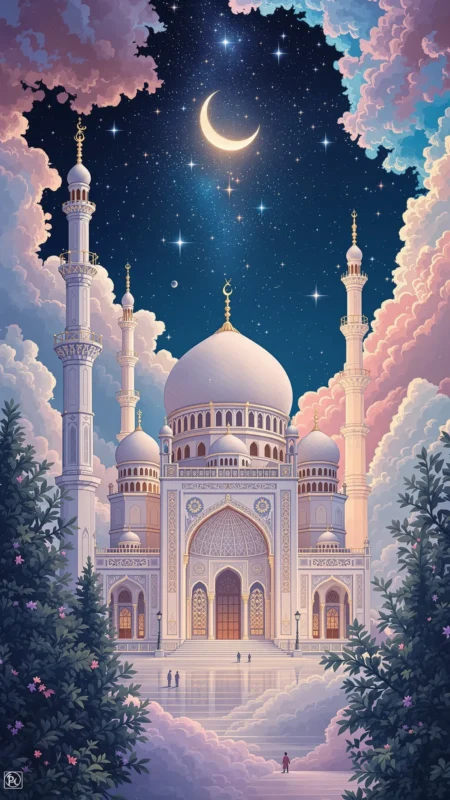
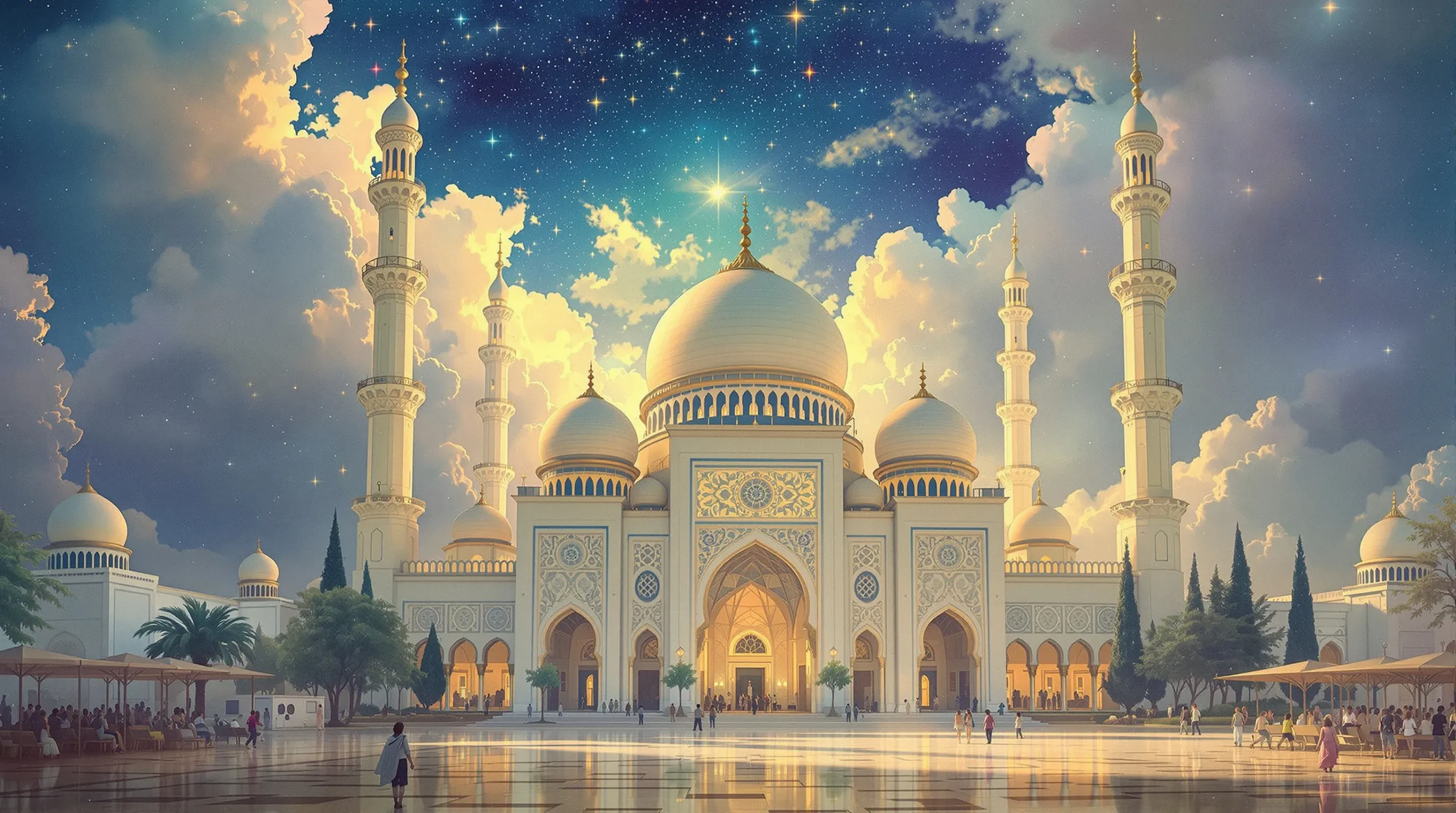
In personal mythology, the Mosque archetype is the inner sanctuary made manifest. It is the architecture of the soul's quietest room, a place built not of stone and mortar but of discipline, rhythm, and reverence. To have the Mosque in your mythos is to possess a blueprint for inner peace, a conviction that such a space is not only possible but necessary. It symbolizes a deliberate turning away from the chaotic noise of the external world to face a single, orienting principle. The vast, uncluttered space beneath the dome is your own consciousness, cleared of ego's furniture, ready to receive an echo of something transcendent. The light filtering through latticed windows may represent divine knowledge: not a blinding glare, but a patterned, gentle illumination that reveals the beauty of the structure itself.
The archetype also speaks a language of submission, a concept often misunderstood in the modern West. Here, submission is not about subjugation but about alignment. It is the serene surrender of the single tile to the mosaic, recognizing that its true beauty is realized only in its relationship to the whole. This archetype could compel you to find your place within a grander pattern, whether that pattern is a community, a tradition, a creative lineage, or a cosmic order. It is the grace of knowing your coordinates, of finding freedom not in limitless choice but in a chosen, meaningful orientation. The ritual ablution before prayer is a symbol of purifying the self not for vanity, but to be a clean vessel for something sacred.
Furthermore, the Mosque embodies the profound connection between austerity and beauty. It finds its aesthetic power not in opulent, distracting idols but in the elegance of geometry, the lyricism of calligraphy, and the profound drama of empty space. This may influence your personal mythology to seek beauty in simplicity, in structure, and in meaning. You might find that your most sacred experiences occur in moments of disciplined focus and minimalist clarity. The Mosque teaches that the most beautiful life is not necessarily the most adorned, but the one most perfectly aligned with its foundational principles, a life where every action, like a line in a calligraphic text, is both disciplined and divine.