 Believe
 Fear
Fear Strength
 Weakness
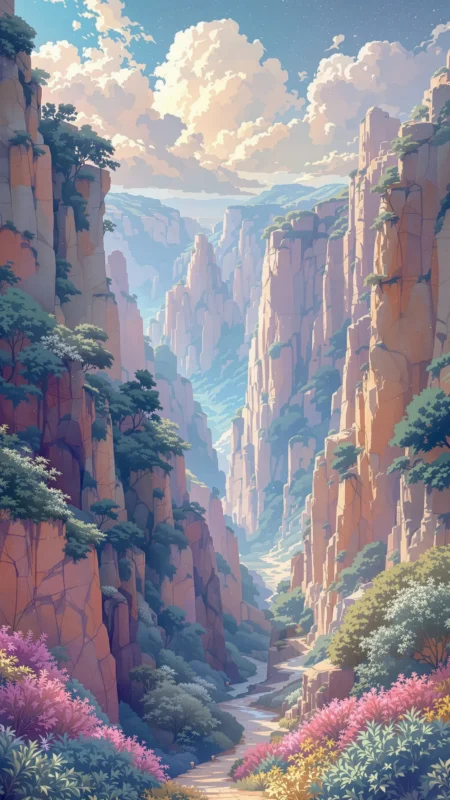
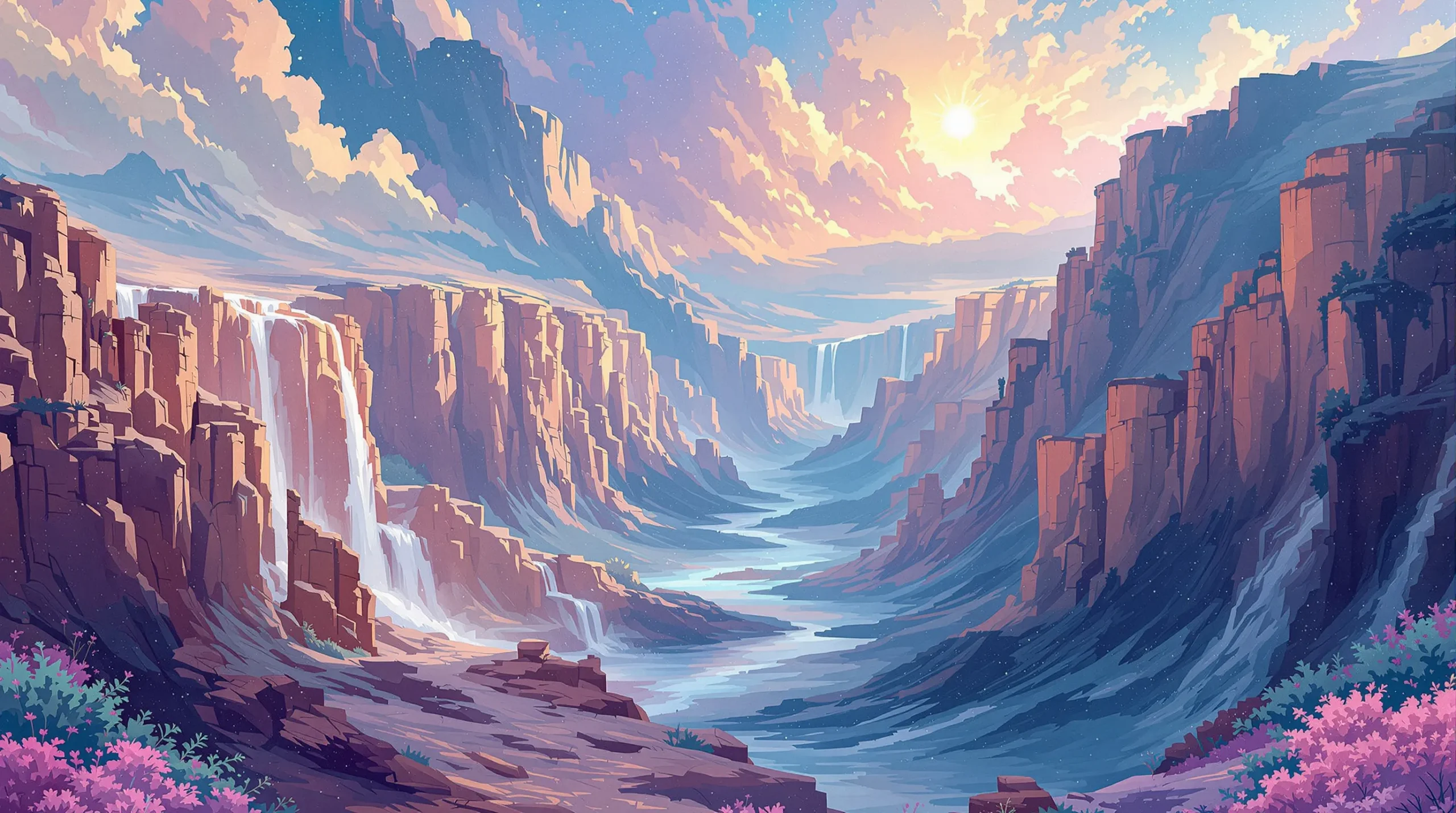
In personal mythology, the Canyon may represent the architecture of the soul, a space defined by a great and formidable opening. It is not a void but a passage, carved by the persistent river of experience. To embody this archetype is to possess a profound inner depth, a sense that your identity is layered with history, memory, and accumulated wisdom. You might feel that your most significant qualities were not built up, but carved out by life’s challenges. The Canyon is a wound transfigured into a wonder, a place of descent that paradoxically offers a higher perspective. It suggests that truth and beauty are not found on the summit, but in the intricate, shadowy, and life-sustaining passages far below the surface.
The Canyon also symbolizes the value of a long perspective. Its stratified walls are a visible record of time, each layer telling a story of drought, flood, and slow accumulation. A person with Canyon in their mythos may have an innate understanding of cycles, seeing current events not as isolated emergencies but as another stratum being laid down in a much longer history. This can lend them a formidable calm, a kind of geological patience in the face of fleeting human drama. They might be the keepers of stories, the anchors of families, the ones who remember where things came from, providing a grounding context in a world obsessed with the new.
This archetype could also speak to a majestic isolation. A canyon is a world unto itself, with its own climate, its own ecosystem, its own secrets. Similarly, a Canyon individual may feel they contain a vast and complex inner landscape that few are willing or able to explore. They may be admired from a distance, their depths appreciated as a spectacle, but they might feel that true intimacy requires a descent that most are afraid to make. The symbolism here is one of profound self-sufficiency that walks a fine line with a deep and echoing loneliness.