 Believe
 Fear
Fear Strength
 Weakness
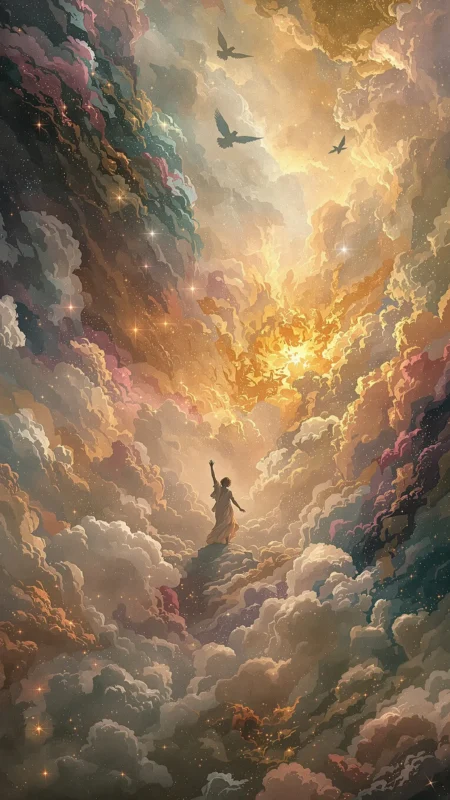
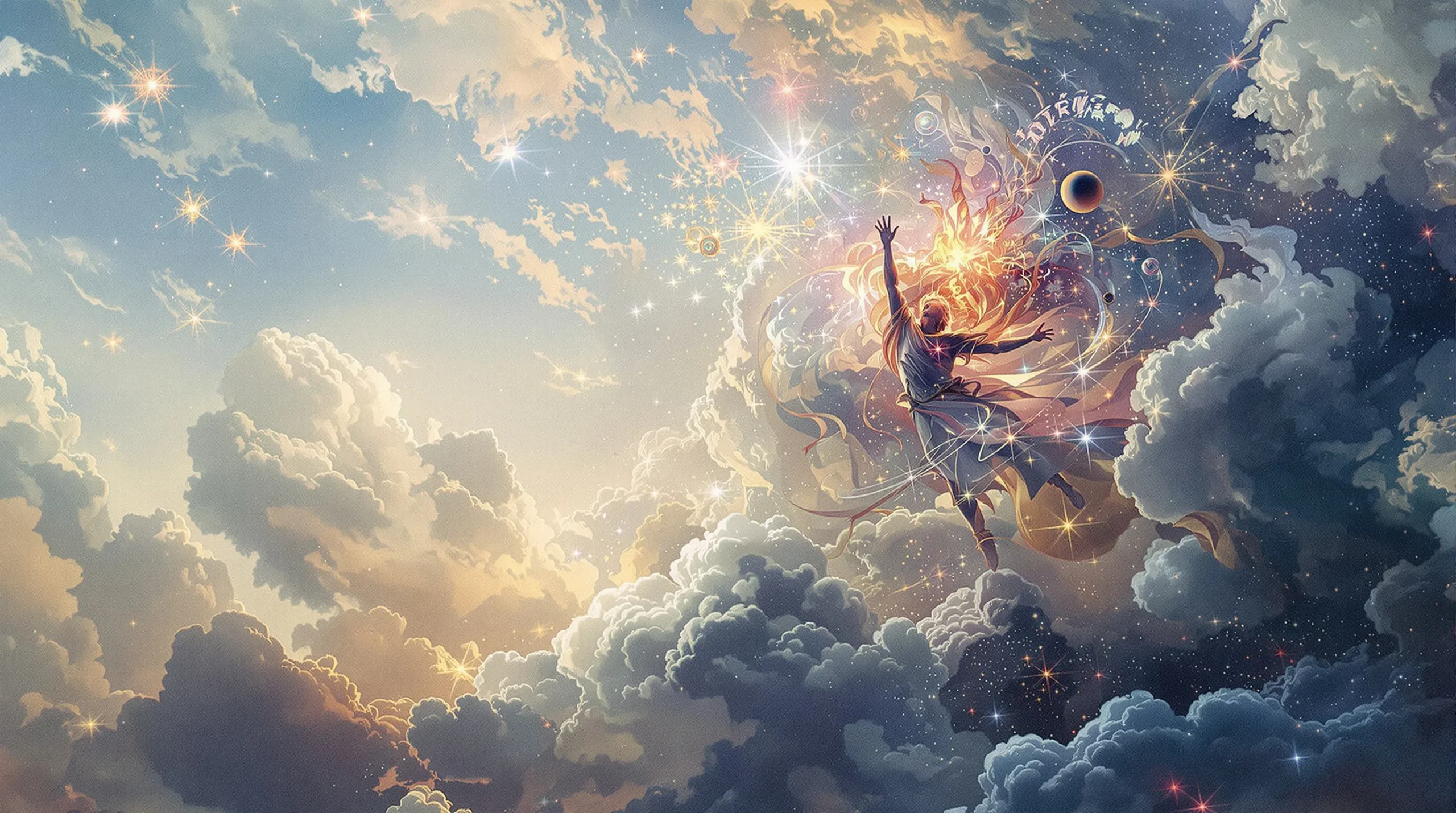
In the personal mythos, Revolution is not a mob with pitchforks but the quiet, internal tremor that precedes a tectonic shift in the self. It is the moment you look at the life you have painstakingly built and realize it is a beautiful, intricate cage. This archetype symbolizes the courage to rattle the bars, to find the lock, to perhaps even melt the whole structure down. It represents the profound, often terrifying, recognition that the person you were yesterday need not dictate the person you will be tomorrow. The symbolism is one of controlled demolition: the careful placement of charges to bring down a belief system that no longer supports your weight, making way for an entirely new construction of identity.
Revolution, as an internal force, signifies a deep intolerance for cognitive dissonance. It is the point where the gap between your values and your actions becomes an unlivable chasm. It speaks to a life punctuated by dramatic 'before' and 'after' periods, where personal change is not gradual erosion but a series of seismic events. To have Revolution in your mythology is to understand that growth sometimes requires a schism, a break from a past, a job, a relationship, or a version of yourself that was once synonymous with survival. It is the patron saint of the blank page, the scorched earth, the year zero.
This archetype also carries the meaning of consequence. It understands that to birth a new world, an old one must burn, and this process is never without loss. It may symbolize a life path where you are consistently called to be the agent of uncomfortable change, the one who speaks the truth that shatters the polite fiction of a family dinner or a company meeting. It is the understanding that your own liberation is inextricably linked to your willingness to disrupt the placid surface of the status quo, and to accept the exile or alienation that may follow.