 Believe
 Fear
Fear Strength
 Weakness
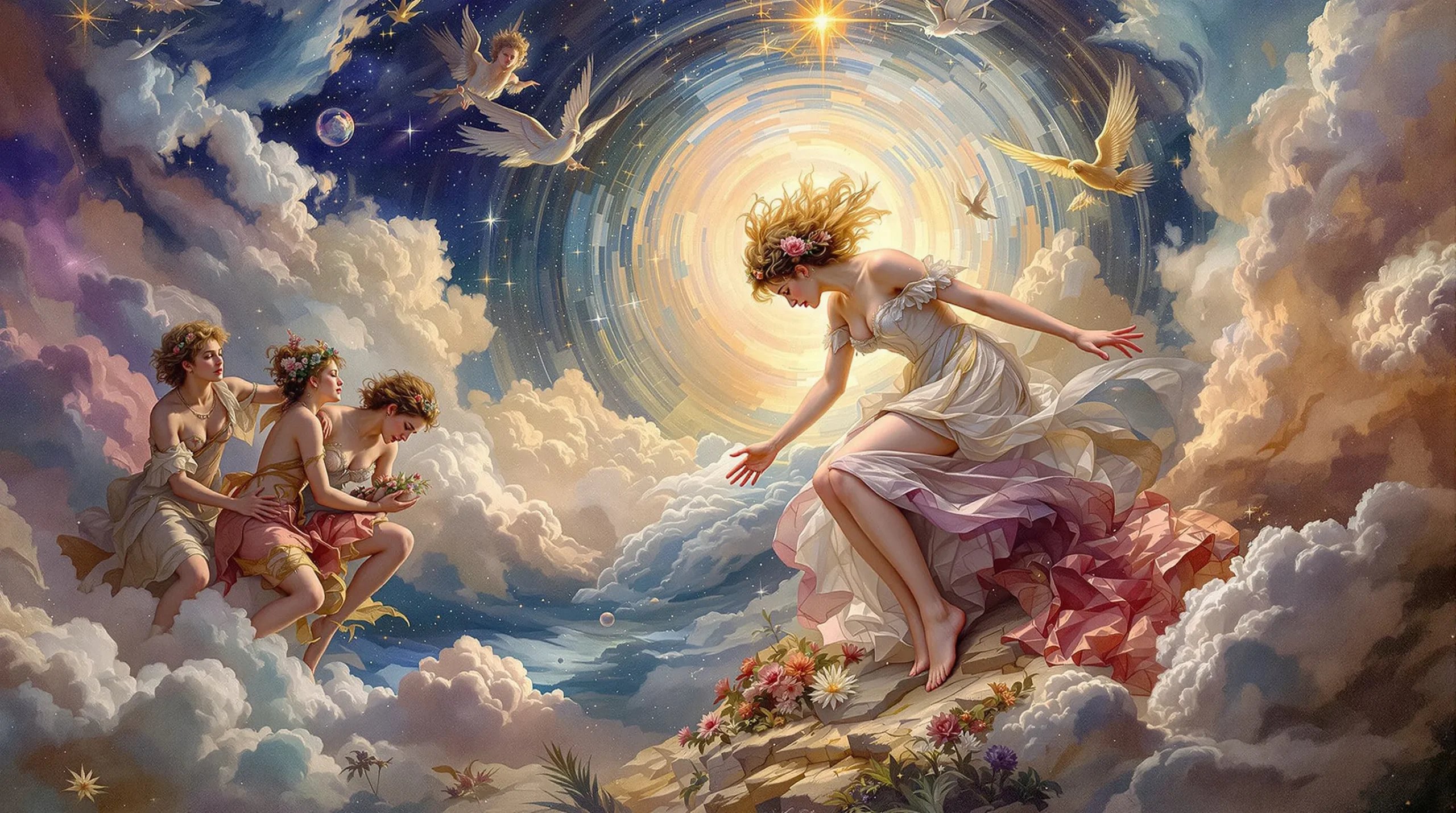
Humiliation acts as a forced return to the ground: the sudden, unwelcome gravity that pulls you from the pedestal you did not know you were standing on. It’s the bare stage after the applause dies, the single spotlight finding you without your costume. In personal mythology, this archetype often marks the end of an era of innocence or arrogance. It’s the event that proves the hero is mortal, fallible. This is not merely embarrassment, a fleeting social misstep. It is a fundamental recalibration of self-perception, a moment where the internal narrative is violently contradicted by external reality. It could be the story of the Icarus who survives the fall, left to contemplate the vast, indifferent sea not as a conquerable space but as a humbling mirror.
Symbolically, Humiliation might represent a necessary void. Nature, it is said, abhors a vacuum, but the psyche sometimes requires one. This archetype carves out a hollow space where pride and self-deception used to reside. It is a clearing in the dense forest of the ego. Within this raw, empty space, something new might have the chance to grow. It could be the tiny, resilient seed of compassion, or the stark, beautiful flower of self-acceptance, a bloom that requires no audience. The experience becomes a sacred wound, a place where the light gets in, illuminating the intricate, fragile architecture of the self.
In a contemporary context, where curated digital selves perform for constant validation, the Humiliation archetype could be a radical corrective. It is the glitch in the filter, the unedited reality breaking through the performance. For the myth-maker, this is not a catastrophe but a moment of profound truth. It forces a confrontation with the question: who am I without the likes, the shares, the external approval? The archetype of Humiliation may, in this sense, be a guardian of authenticity, a severe and unwelcome teacher whose only lesson is the truth of your own unadorned being, a truth that is often terrifying but ultimately liberating.