 Believe
 Fear
Fear Strength
 Weakness
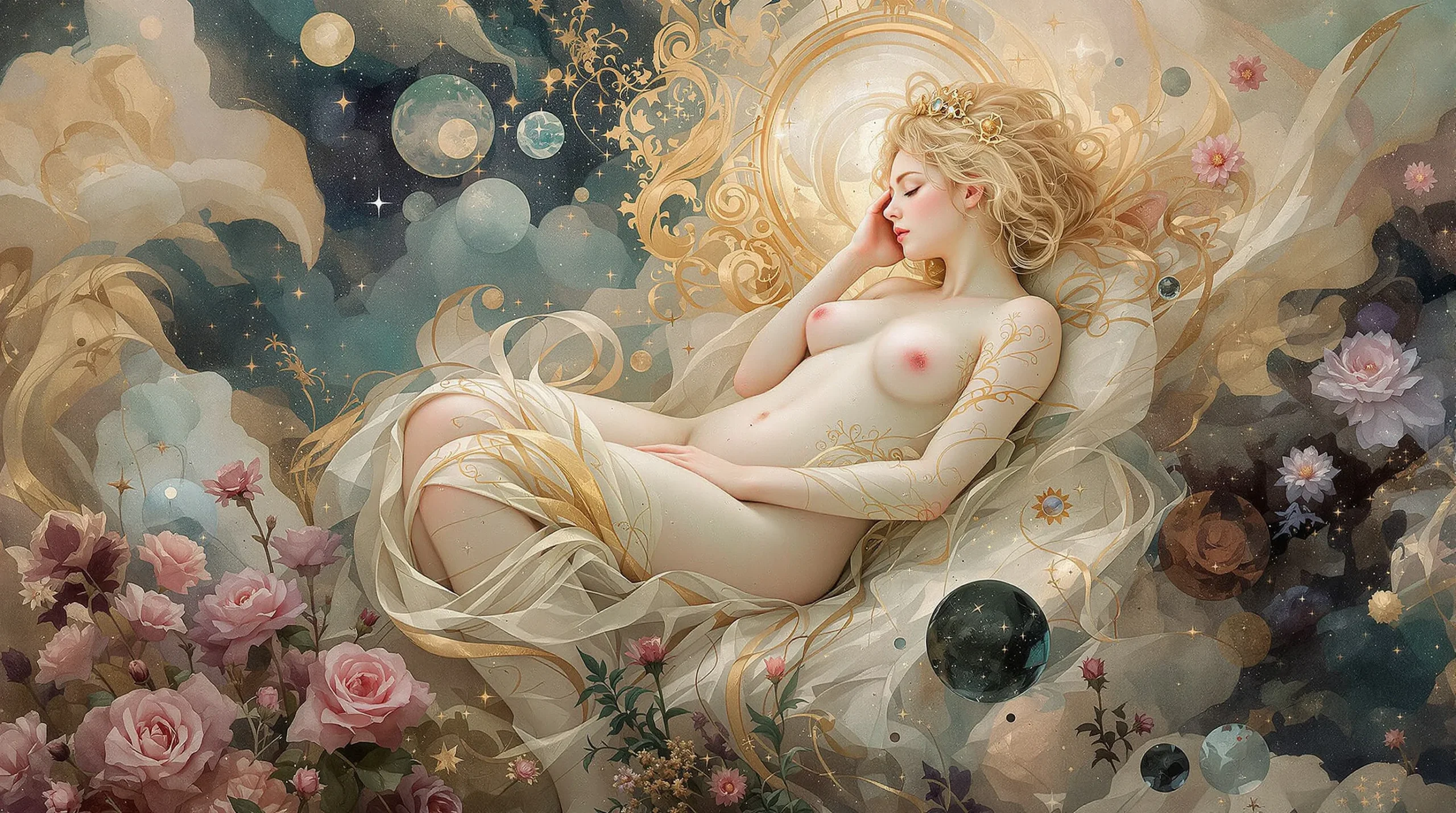
In personal mythology, the Miscarriage archetype represents a tear in the fabric of the expected narrative. It is the ultimate symbol of liminality: the state of being betwixt and between. It's the soul that knocked at the door but never entered, the story that exists only in its prologue. To carry this archetype is to become a permanent resident of this threshold space, gaining a unique perspective on beginnings and endings. You may come to understand that not all powerful events are visible, that some of life's most transformative initiations happen in silence and secrecy. This archetype doesn't symbolize failure, but rather a different kind of story, one that finds its meaning not in completion, but in its profound, echoing absence.
This archetype may also serve as a fierce guardian of tenderness. It could crack open the heart to a new, more profound register of compassion. Having known a love for something unseen and unformed, one might develop an extraordinary empathy for all fragile, nascent things: a fledgling idea, a tentative relationship, a flicker of hope in another's eyes. The personal mythology informed by this archetype is perhaps less about heroic achievement and more about the quiet, radical act of holding space for grief, of honoring the invisible, and of loving what is lost with the same ferocity as what remains.
Furthermore, the Miscarriage archetype could be an encounter with the sacred chaos of biology, a raw confrontation with the fact that life is not a tidy, controllable process. It dismantles the illusion of earned outcomes and predictable futures. In one's mythos, this may manifest as the 'Great Disruption,' the event that proved the gods of planning and effort to be fallible. From this disruption, a new wisdom can emerge: a deep, abiding respect for the mystery of creation and an acceptance of life's inherent wildness. It is an initiation into the knowledge that we are not masters of our stories, but rather partners with a vast, unpredictable, and sometimes heartbreaking mystery.