 Believe
 Fear
Fear Strength
 Weakness
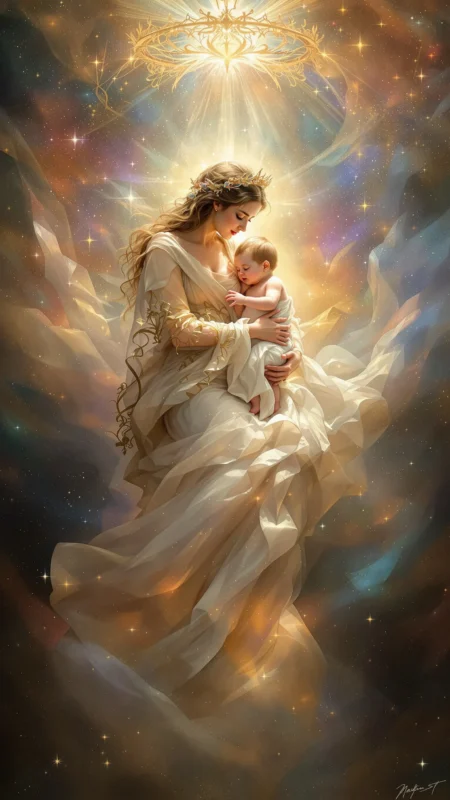
In the modern mythos, the Christening may represent the radical act of self-naming. It is a departure from the identities we inherit or have thrust upon us: the family name, the professional title, the quiet assumptions of our peers. This archetype suggests that our truest identity is not discovered but declared. It is the moment we stand before the mirror, or a quiet circle of trusted friends, and speak our own name into existence, a name that encapsulates not who we have been, but who we are choosing to become. It is the anointing of the self by the self, a quiet revolution that begins with a single, intentional word.
The power of the Christening lies in its ritualistic nature. It understands that transformation requires more than a mere decision: it requires a sacred marker, a line drawn in time. To live this archetype is to imbue personal change with ceremony. You might not use holy water, but you may feel the same cleansing power in a solo swim in the ocean at dawn on your birthday, or in the burning of old letters to mark the end of an era. It’s the belief that by creating a moment outside of ordinary time, we can consecrate a change, making it real and resonant in a way a simple New Year’s resolution could never be.
Furthermore, the Christening speaks to our deep need for sponsorship and witness. Even the most personal transformation yearns for acknowledgment. The 'godparents' in our personal mythos may be the mentors who see our potential, the friends who champion our new direction, or even the authors of books that feel as if they were written just for us. These figures validate our new name. Their belief becomes the font from which we are blessed, confirming that the new self we have declared is not a delusion, but a reality seen and honored by another.