 Believe
 Fear
Fear Strength
 Weakness
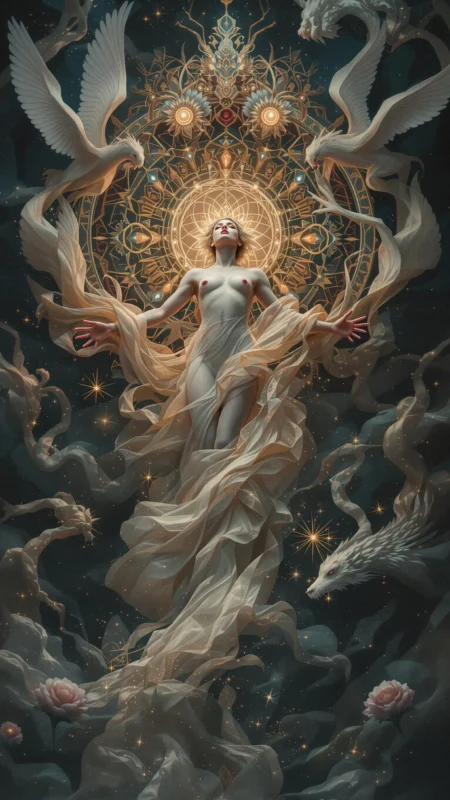
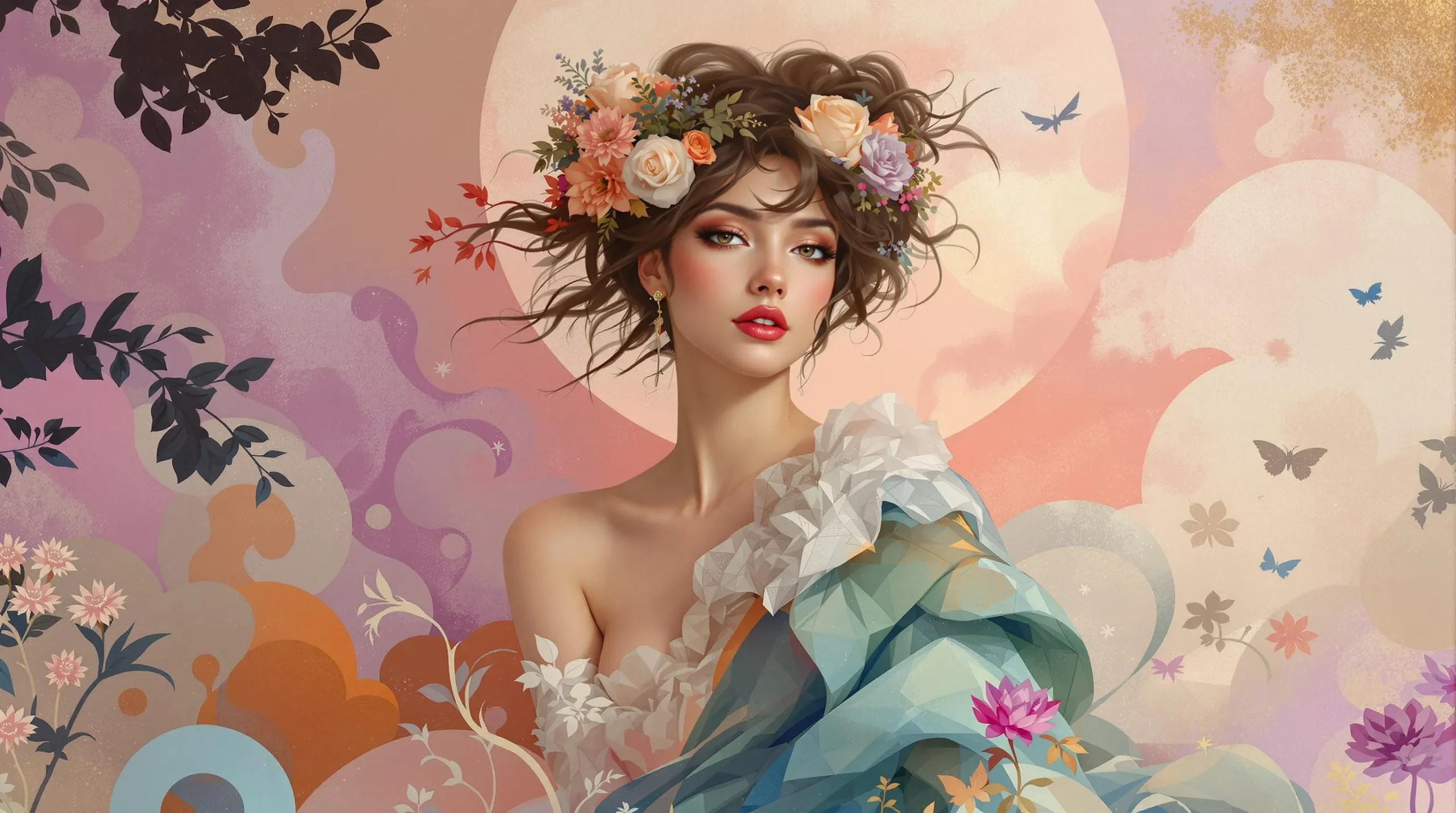
In the personal mythos, to be cast as Muse is to carry a specific and peculiar weight. It is to find that your essence, perhaps distilled and romanticized, has become the fertile ground for another's creative or spiritual harvest. This isn't merely about being an attractive model or a supportive spouse; it is a far more metaphysical role. You may symbolize the permeable boundary between the ordinary world and the realm of ideas. Your presence suggests that inspiration is not a lightning strike from the heavens, but a current that can flow through a human conduit. Your life story may become intertwined with the notion that meaning can be generated passively, that one's greatest impact might be unintentional.
The modern Muse must contend with a culture that prizes ownership and visible accomplishment. To inspire a novel is not the same as writing one; to be the catalyst for a breakthrough is not the same as patenting it. Therefore, embracing this archetype in your personal mythology could be an act of quiet rebellion. It suggests a value system centered on interdependence and subtle influence over individual achievement. You may come to see your life not as a linear narrative of your own deeds, but as a series of resonant echoes in the lives and works of others, a secret history written in their margins.
This role can also be a heavy mantle. The Muse can be objectified, reduced to a symbol, and drained by the ceaseless demands of the 'artist' who requires their presence. The myth of the Muse forces a confrontation with questions of identity: am I who I am, or am I who they see? The symbolism is therefore dual: a figure of immense generative power on one hand, and on the other, a cautionary tale about losing oneself in the reflection of another's gaze. Your mythos may be a delicate dance between being a source and being your own person.