 Believe
 Fear
Fear Strength
 Weakness
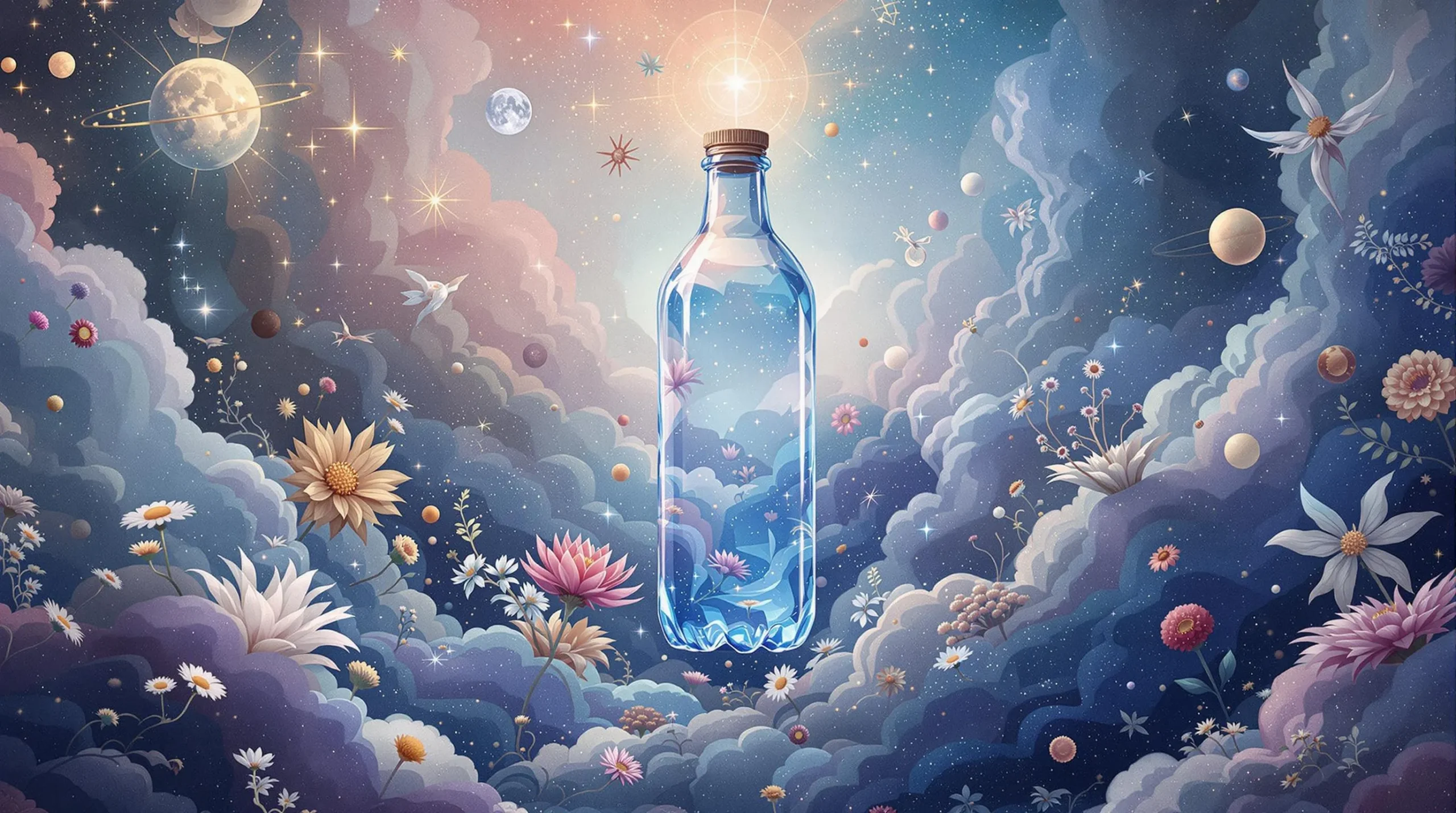
The Plastic Bottle in one’s personal mythos could be the central symbol of modern paradox. It is convenience and crisis held in a single, transparent form. To see yourself in its reflection is to acknowledge a life of profound utility, a capacity to be exactly what is needed in a given moment: a vessel for sustenance, ideas, or emotions. You may be the person who holds the water for the marathon runner, the one who contains the volatile elements of a project, the quiet facilitator. This archetype speaks to an identity built on function, on being smoothly and efficiently integrated into the machinery of life. Its transparency is key: it does not hide what it holds, suggesting an honest, what-you-see-is-what-you-get nature, yet this clarity can also be mistaken for a lack of depth or inner world of its own.
Yet, this utility is haunted by the specter of disposability. The very convenience that makes the bottle desirable is also what makes it discardable. A personal mythology shaped by this archetype might grapple with a persistent feeling of being temporary, of being valued only for a fleeting purpose. Once emptied, what is your worth? This question echoes in the quiet crinkle of a crushed bottle. The story then becomes one of navigating this paradox, of finding inherent value beyond momentary usefulness. It is the search for a purpose that transcends the single-use cycle, a quest for a form of recycling on a spiritual level, to avoid becoming permanent, beautiful, tragic trash on the shores of one's own life.
Furthermore, the Plastic Bottle archetype embodies a strange and passive form of endurance. It does not biodegrade; it simply breaks down into smaller, persistent versions of itself. This may manifest as a personal myth where your past mistakes or former identities don't fade away but haunt your present in microscopic ways. It suggests a life story where nothing is ever truly gone, where every past role, every empty relationship, remains part of your personal ecosystem. The challenge of this mythology is to see this not as a form of pollution, but as a testament to your own resilience. You persist. You may be changed, broken down, and scattered, but the fundamental material of you remains, waiting for a new form.