 Believe
 Fear
Fear Strength
 Weakness
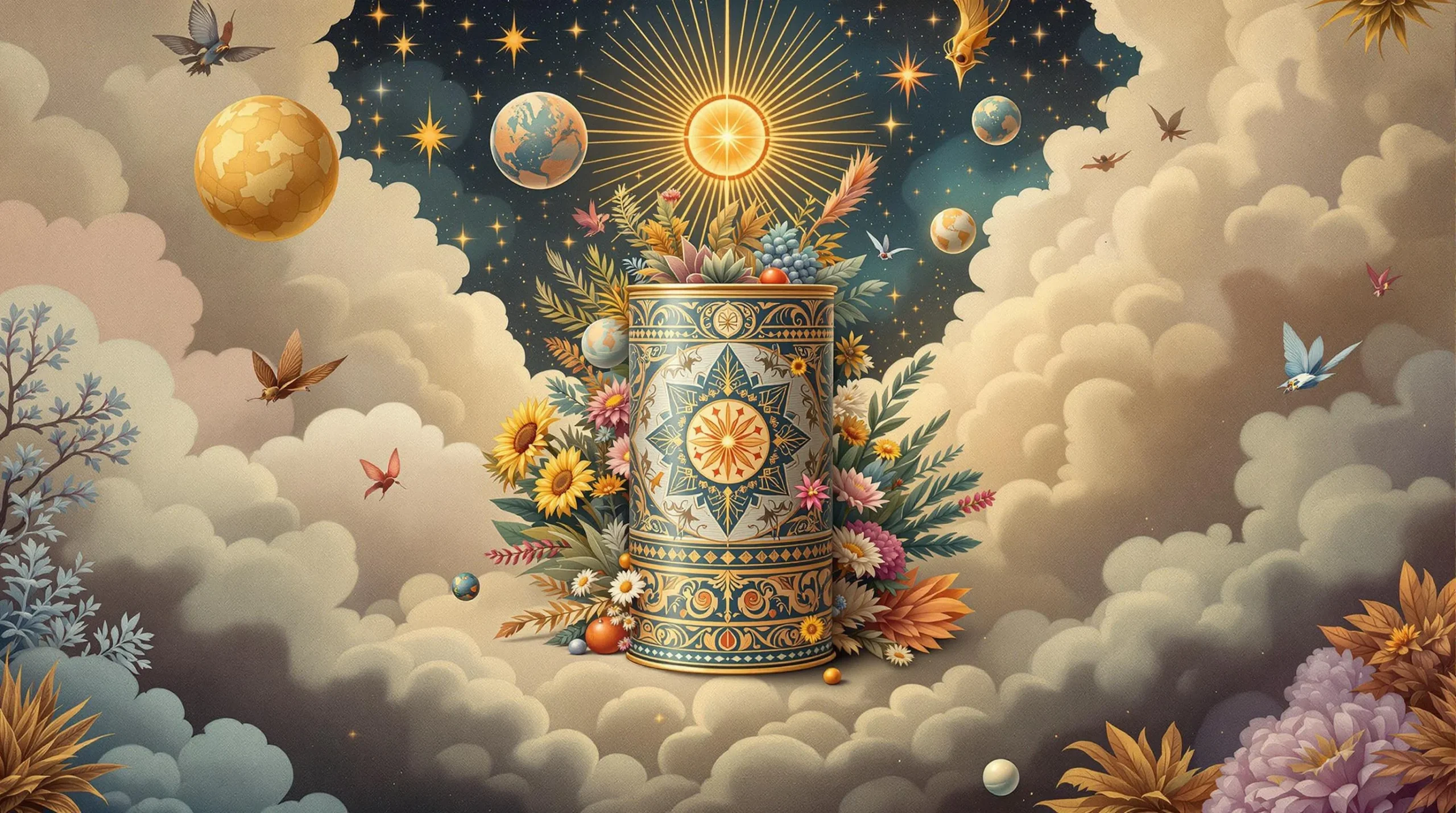
The Tin Can speaks a language of humble utility. It is an artifact of the mundane, a silent resident of the pantry shelf, yet it offers a profound metaphor for the self that is contained. To have the Tin Can in your personal mythology is to understand that one's exterior may be simple, even generic, yet it serves as a crucial barrier, protecting a complex and perishable inner world. You may feel your own contents—your emotions, talents, and vulnerabilities—are sealed away, not for public consumption, but preserved for a specific purpose or a trusted person. The label on the outside might be a simple, functional description of your role in the world, but the true essence, the nourishment or poison within, remains a mystery until a deliberate act of opening occurs.
The archetype is also deeply entwined with the cycles of modern life: production, consumption, and waste. As a mass-produced object, it might evoke feelings of being unremarkable, just one of millions. This can foster a mythos centered on a search for unique purpose amidst anonymity. What makes this can different from the others on the shelf? The journey becomes about discovering the unique quality of one's own contents. After being emptied, the can faces a crisis of purpose. This moment of emptiness is a powerful symbol. It can represent burnout and worthlessness, or it can be the catalyst for profound creativity: the transformation from a mere container to a new and unexpected tool.
Ultimately, the Tin Can is an archetype of potential and patience. It suggests that what is most valuable is often what is held in reserve. It champions the idea that not everything needs to be immediately expressed or shared. There is a quiet strength in self-containment, a power in knowing that you hold something essential within you, safe from the ravages of time and judgment. It asks you to consider what you are preserving and why. It also poses the critical question: what will it take for you to finally open up, and what will you become once you are empty?