 Believe
 Fear
Fear Strength
 Weakness
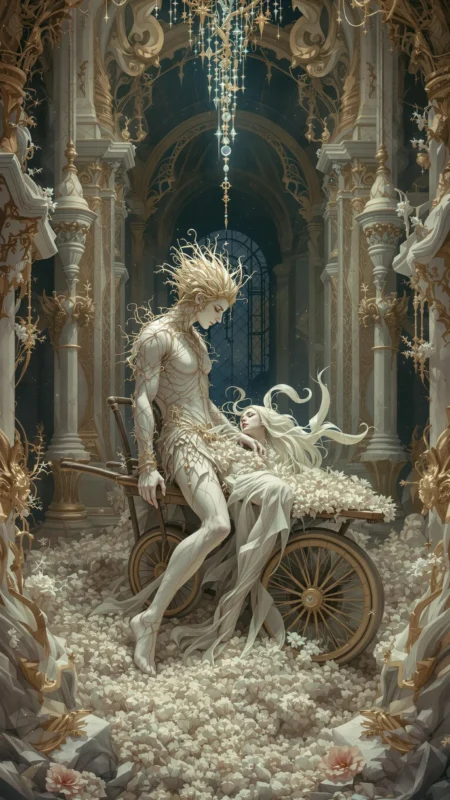
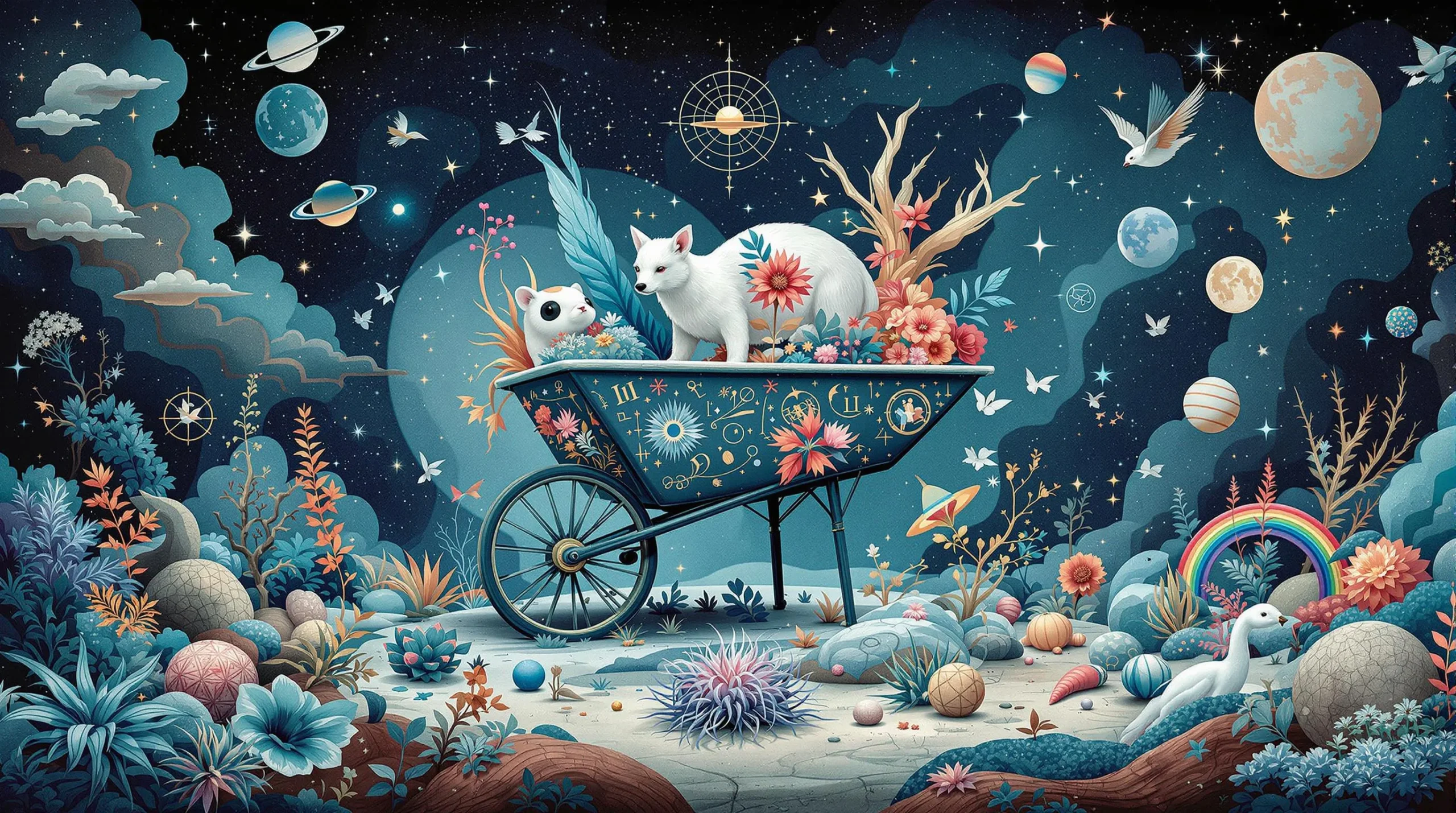
The Wheelbarrow, in one's personal mythology, may symbolize the dignity of humble labor. It is the antithesis of the grand gesture; its power lies in incremental, persistent effort. It represents the quiet, often un-thanked work that underpins all great projects, be they gardens, buildings, or the reformation of a life. The single wheel is a point of profound focus and precariousness: all progress depends on this one point of contact with the ground, a constant, delicate act of balance. It suggests that moving forward with our burdens requires not brute strength, but sustained equilibrium and a clear direction.
This archetype could also be a vessel for the emotional and spiritual. Its hollow basin represents a capacity to hold things: the sorrows of another, one's own ambitions, the unprocessed material of the past. An empty Wheelbarrow is pure potential, waiting for a purpose. A full one is responsibility in motion. It forces the question: What are you carrying? Is it fertile soil you are moving to a new garden, or are you just hauling rocks from one pile to another? Its meaning is defined entirely by its contents and its destination, a potent metaphor for a life of intention.
In the modern psyche, the Wheelbarrow might be the tangible interface between our will and the world's inertia. We have our baggage, our projects, our responsibilities, and the Wheelbarrow is the tool that allows us to engage with them physically, to move them from the realm of abstract worry into the realm of concrete action. It is the hard work between the problem and the solution, the embodiment of the idea that to change one's circumstances, one must first be willing to pick up the load and push.