 Believe
 Fear
Fear Strength
 Weakness
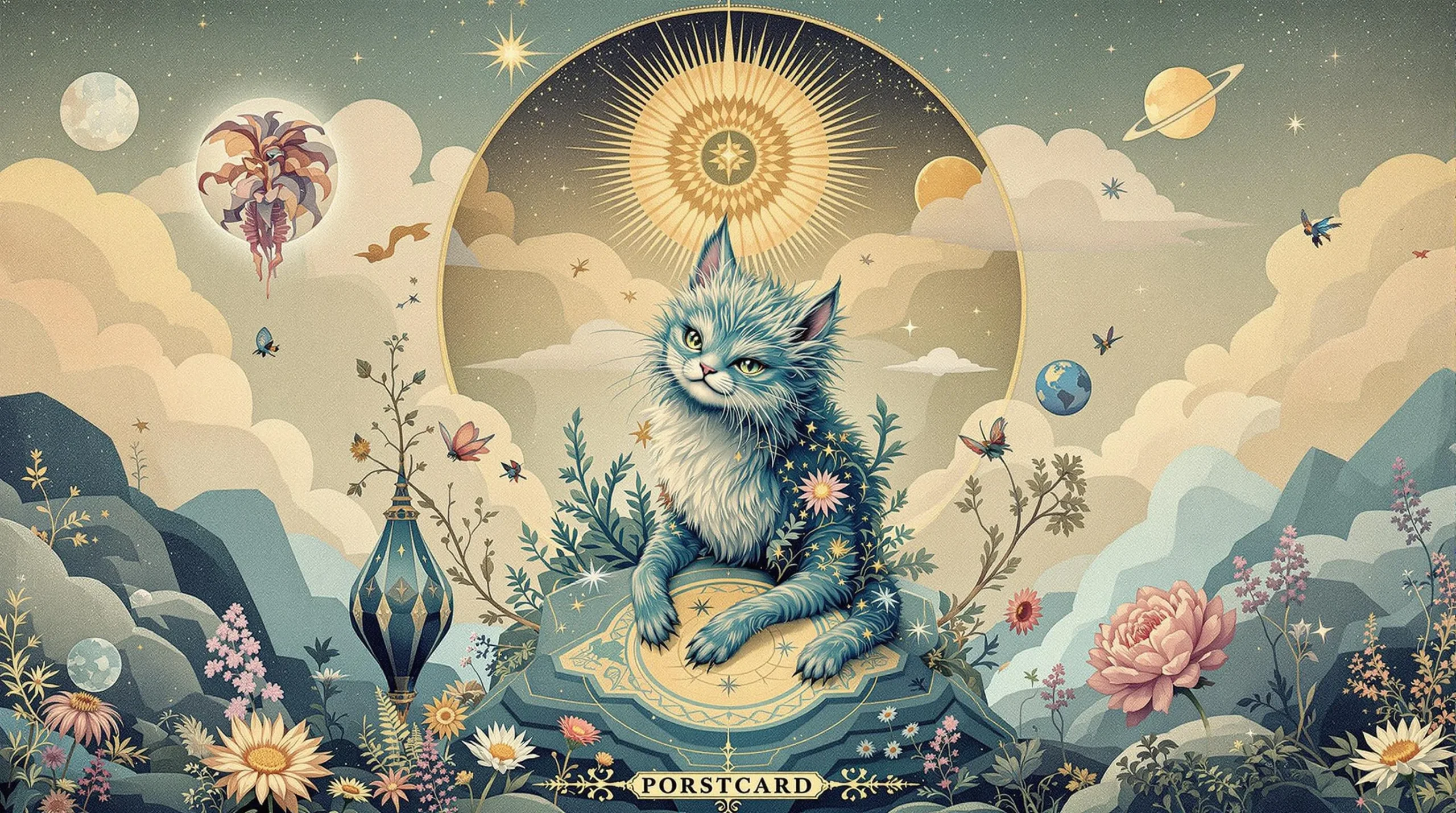
The Postcard archetype speaks to a modern condition: a life lived in moments, curated and shared. To have this object in your personal mythology is perhaps to understand your own story as a collection of significant snapshots rather than a continuous, sprawling narrative. You may value the power of the glimpse, the idea that a single, well-chosen image or phrase can contain more truth than a lengthy explanation. Your life is not a novel, it is a book of carefully composed plates, each hinting at a larger story. It suggests a comfort with distance, not as a sign of alienation, but as a necessary component for perspective, the space required to see a moment for what it truly was.
This archetype also navigates the complex tension between the public-facing image and the private sentiment. The front is for everyone to see: the beauty, the success, the adventure. The back is more intimate, yet still semi-public, written in a kind of code of shared experience. For the individual, this may manifest as a careful management of their own presentation to the world. They are not being deceptive, necessarily: they are being artistic. They are curating their experience, selecting the most resonant moment to represent the whole, believing that this curated truth is a form of gift to others.
Ultimately, the Postcard is a symbol of connection maintained despite absence. It is a quiet rebellion against the idea that only constant contact constitutes a meaningful relationship. It champions the asynchronous conversation, the thought that arrives days later, a beautiful ghost from another time and place. It suggests that remembering someone is an active, creative act, one that involves selecting a token of your world and sending it into theirs. It is proof of life, proof of thought, and proof that a thread of connection, however thin, remains unbroken across any distance.