 Believe
 Fear
Fear Strength
 Weakness
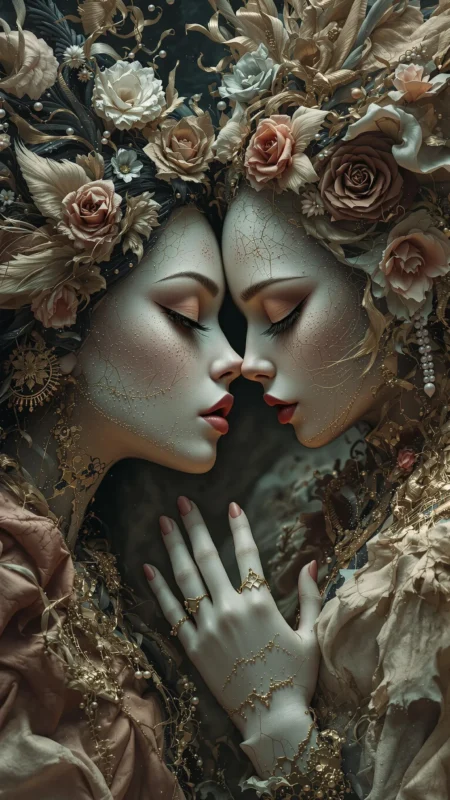
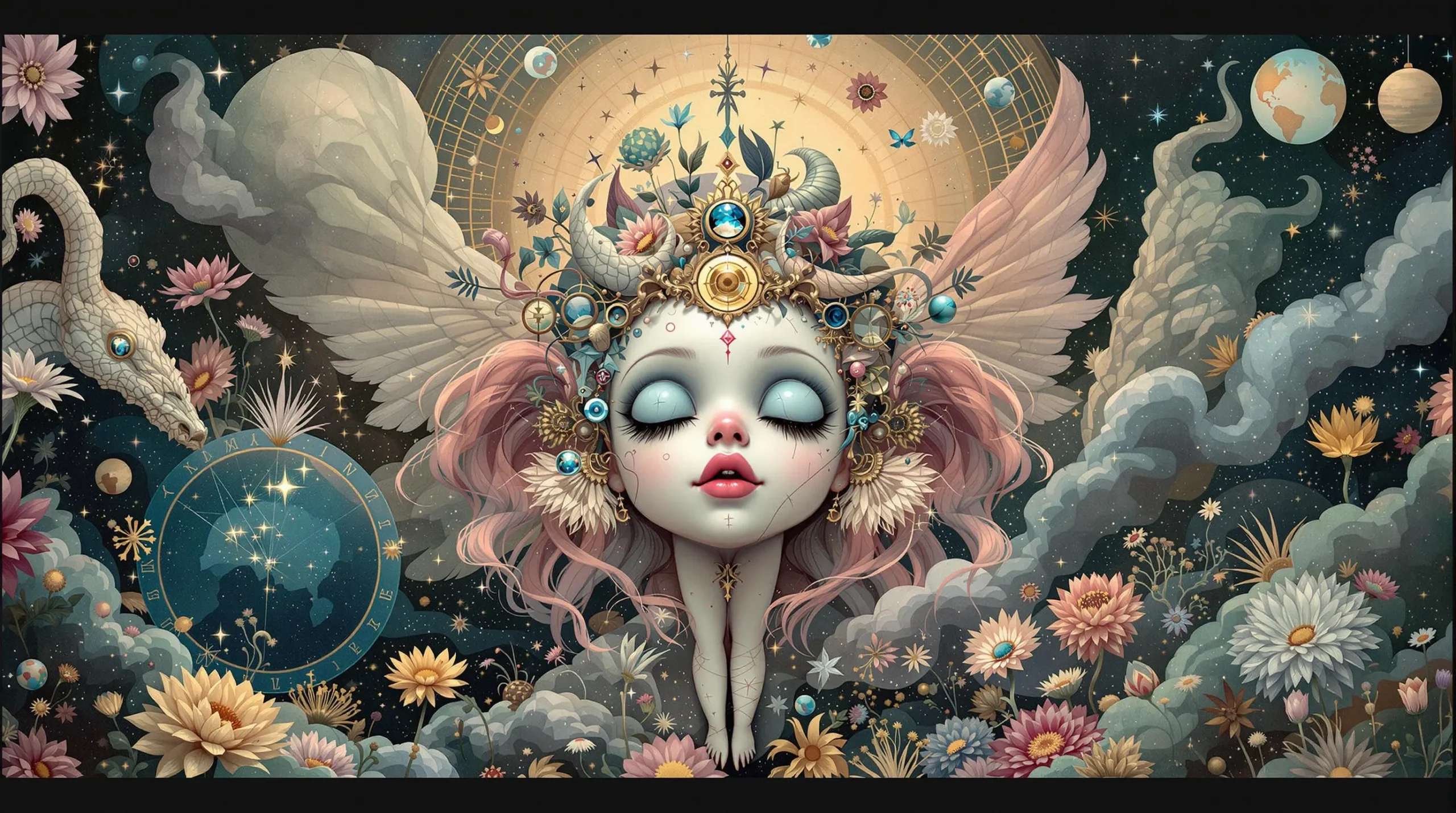
The Broken Doll archetype may speak to a profound narrative of innocence interrupted. It is the story of an object created for joy, for play, for admiration, which has met with a force greater than itself. Its initial state of perfection was perhaps a performance, a flawless porcelain skin masking a hollow interior. The break, then, is not merely an accident but a moment of truth, shattering the facade and revealing the delicate reality beneath. In a personal mythology, this could represent a pivotal childhood event or a disillusionment in adulthood that forever altered one's sense of self, marking a clear 'before' and 'after' in the timeline of the soul.
Furthermore, the archetype explores the complex territory of value and worth. Is the doll less valuable now that it is broken? To a child, perhaps yes. To a collector, its value may have increased, its story deepening its allure. This duality may inform a person’s own sense of worth. They might grapple with feeling 'used' or 'discarded' while simultaneously suspecting that their experiences, their 'damage,' have imbued them with a depth and wisdom that unblemished perfection could never possess. The doll becomes a symbol of wabi-sabi: the Japanese aesthetic centered on the acceptance of transience and imperfection, where the chips and cracks are not flaws but testaments to a life lived.
Ultimately, the Broken Doll could be an emblem of quiet, stubborn resilience. It does not rage or fight in the manner of a Warrior. It endures. It sits with its wounds. Its power is not in action but in persistence, in the simple, profound fact of its continued existence. For someone whose personal myth involves this archetype, strength may not be about overt power but about the capacity to hold oneself together, to find a strange new beauty in the repair, and to continue to bear witness to the world from a quiet corner, forever changed but not entirely erased.