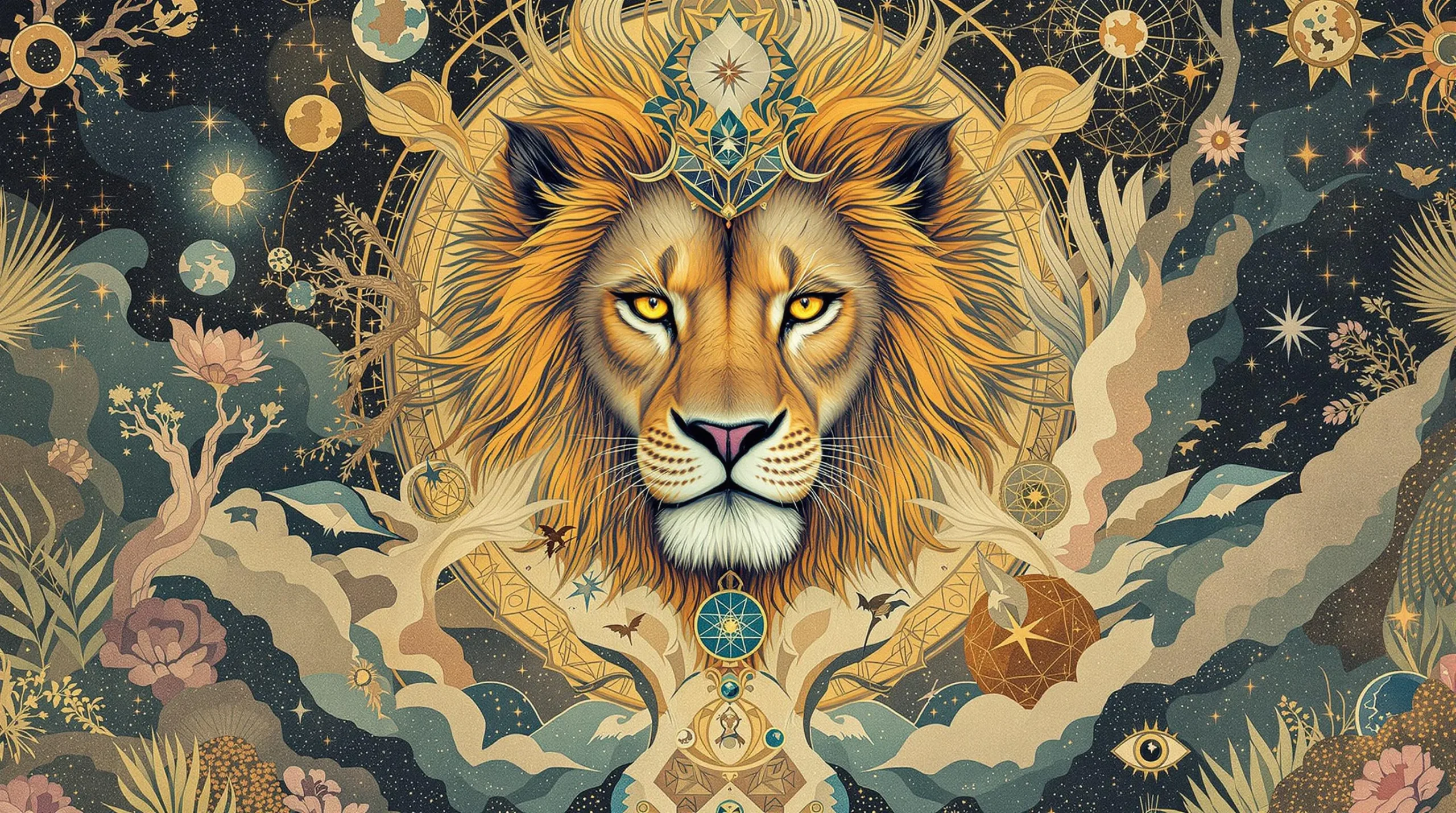


Scar

Archetype Meaning & Symbolism

resilient, marked, enduring, narrative, survivor, sensitive, defensive, hardened, unique, defining

  • Do not hide me. I am the price of your survival, the map of where you have been, and the proof you are still here.

If Scar is part of your personal mythology, you may...

Believe

  • What doesn't kill you leaves a mark, and that mark is the beginning of a story.

    True strength is not the absence of weakness, but the courage to live with your imperfections.

    Vulnerability is the price of admission for deep and meaningful connection.

Fear

  • That the wound is not truly healed and could reopen at any moment.

    That the scar defines you completely, eclipsing all other parts of your identity.

    That if people see your authentic, scarred self, they will be repulsed or pity you.

Strength

  • A profound capacity for empathy, born from a direct knowledge of suffering.

    An unshakable resilience, forged in the fires of real-world trials.

    A unique wisdom and perspective that cannot be learned, only earned through breakage and repair.

Weakness

  • A tendency towards defensiveness, cynicism, or emotional armor.

    A risk of becoming stuck in the past, allowing the story of the wound to dominate your present and future.

    A habit of mistaking the scar for your entire identity, forgetting the rest of the un-scarred landscape of yourself.

The Symbolism & Meaning of Scar

The Scar is the body’s memory, the psyche’s historiography. In a culture that often prizes unblemished surfaces and seamless narratives, the Scar is a declaration of lived experience. It insists that breakage is not the end of a thing’s utility or beauty. This finds its most eloquent expression in the Japanese art of kintsugi, where broken pottery is mended with gold lacquer. The philosophy is that the piece is more beautiful for having been broken, its history of damage now a celebrated part of its design. In one's personal mythology, the Scar archetype asks you to consider where your own golden joinery lies, to see the map of your past pains not as a litany of flaws but as a testament to resilience, each line a story of survival.

Furthermore, the Scar is a symbol of differentiation. It sets one apart, a unique marking in a world of mass production. While it can be a source of perceived otherness, it can also be the very thing that makes one’s perspective invaluable. A person marked by a specific loss may develop a profound capacity for empathy. An individual who has survived a great failure might possess a humility and wisdom that is unattainable for the perpetually successful. The Scar, then, is not a deficit. It is, perhaps, a form of qualification, a strange and painful graduation into a different kind of knowing.

This archetype also navigates the complex terrain of visibility and concealment. We choose which scars to show and which to hide. A physical scar on the face tells a public story, shaping interactions from the outset. An emotional scar, hidden deep within, may inform our every decision yet remain invisible to all. The tension between the visible and invisible self is central to this archetype. It prompts a deep inquiry into authenticity: am I the person I present to the world, or am I the sum of my secret histories, my hidden maps of survival?


Scar Relationships With Other Archetypes

The Wound

The Scar is the child of the Wound. While the Wound is the raw, active, and immediate experience of being broken, the Scar is its legacy, the healed-over but permanent reminder. The Wound cries out in pain; the Scar speaks in memory. Their relationship is one of cause and effect, of past and present. If the Wound archetype is dominant in a mythos, the story is about the crisis itself. If the Scar archetype is dominant, the story is about living with the aftermath, about integrating the event into one's identity long after the initial bleeding has stopped.

The Healer

The Scar and the Healer have a complicated dance. The Healer seeks to soothe, to mend, to make whole. It might offer balms, therapies, and comforting words to make the Scar fade. But the Scar itself, as an archetype, resists total erasure. It argues that to be fully healed is not to be returned to a pre-wounded state, but to integrate the mark into the self. The Scar may teach the Healer that some things are not meant to be forgotten, and that true healing is about acceptance and transformation, not obliteration.

The Mask

The Mask is often employed to conceal the Scar. It is the smooth, pleasing facade presented to the world to hide the textured, complicated history that lies beneath. In a personal mythos, this creates a profound internal conflict. The Mask offers social acceptance at the cost of authenticity, while the Scar holds the unvarnished truth of one's experience. The journey for someone caught between these two archetypes is often about learning when to lower the Mask, and to whom, allowing the Scar to be seen not as a deformity but as an essential part of one’s story.

Using Scar in Every Day Life

Navigating a Career Setback

A past professional failure, a layoff or a demoted project, may feel like a permanent mark on one’s record. The Scar archetype allows you to reframe this not as a failure, but as earned wisdom. It becomes the data point that informs your next move, the lesson in corporate politics or personal limits that allows you to navigate the next chapter with a foresight your un-scarred peers may lack. It is the story you tell, not of what you lost, but of what you learned when you were tested.

Deepening Intimate Bonds

In relationships, the revelation of a scar, be it an emotional wound from a past betrayal or a physical mark from a childhood accident, can be a pivotal moment. To embody the Scar archetype here is to choose vulnerability over concealment. Sharing the story of the scar is an invitation into your authentic history. It tests the capacity of the other person for empathy and transforms the scar from a point of personal shame into a landmark of shared intimacy and trust.

Fueling Creative Expression

The most resonant art often comes from a place of deep feeling. The Scar is a wellspring for this. Instead of repressing a painful memory, one might channel its energy into a piece of music, a series of paintings, or the core conflict of a novel. The scar provides the texture, the emotional truth, and the stakes. It is the grit that makes the pearl, transforming personal pain into a universal artifact that can move and heal others.

Scar is Known For

Mark of Survival

It is the physical, psychic, or emotional evidence of having passed through a significant trial. The scar is not the wound itself, but the testament to the fact that the wound has, in some fashion, closed, leaving a permanent record of the ordeal and the endurance it required.

A Source of Story:

Every scar begs the question: how did you get that? It is a narrative trigger, a condensed symbol that unfolds into a larger story of conflict, pain, and perseverance. It functions as a chapter heading in one’s personal history, a moment that delineates a “before” and an “after.”

A Point of Sensitivity:

The tissue of a scar, both literal and metaphorical, is different from what surrounds it. It is often a place of heightened sensitivity, a tender point that, when touched, can evoke the memory and feeling of the original injury. This sensitivity demands a different kind of attention and care.

How Scar Might Affect Your Personal Mythology

How Scar Might Affect Your Mythos

When the Scar is a central feature of your personal mythos, your life story may not be a simple arc of progress from innocence to success. Instead, it might be structured as a post-traumatic narrative: life before the wound, and life after. The defining event is not a triumph, but a moment of breaking that redefined everything. Your personal quest might not be about finding a treasure or winning a kingdom, but about making sense of the mark that was left upon you. The narrative is one of integration, of learning to live with, and even find meaning in, what has been irrevocably altered.

Your mythology may also be populated by figures who are themselves marked, or who recognize and value the marks on others. The mentors who appear may be Wounded Healers, the villains may be those who inflict scars without remorse, and the allies are those who are not afraid of your history. The story becomes less about avoiding pain and more about cultivating the strength to endure it and the wisdom to transform it. The climax of your mythos may not be the slaying of a dragon, but the moment you look at your scar and see not a flaw, but a source of power.

How Scar Might Affect Your Sense of Self

Your self-concept may be deeply entwined with the identity of a survivor. This is a double-edged sword. On one hand, it can be a source of immense strength and pride, a core belief that you are resilient and capable of weathering any storm. You may see yourself as someone forged in fire, possessing a depth that others lack. This identity can provide a powerful anchor in times of crisis, a reminder that you have been broken before and have mended.

On the other hand, an identity built around a scar can become a cage. You might see yourself as fundamentally damaged, as defined by your trauma more than any other quality. There's a risk of what is called “the trauma plot,” where your past pain becomes the only interesting thing about you, both to yourself and, you fear, to others. This can lead to a sense of being stuck in the past, forever looking backward at the moment of injury rather than forward to a future where the scar is but one part of a much larger, more complex self.

How Scar Might Affect Your Beliefs About The World

To see the world through the lens of the Scar is to be acutely aware of its sharp edges. You may perceive life as inherently fragile, a place where safety is an illusion and breakage is always possible. This can manifest as a kind of gentle cynicism, a lack of surprise when things go wrong, when institutions fail, or when people disappoint. You've seen the fault lines before, and you know they can rupture. This isn't necessarily pessimistic, but realistic: a perspective stripped of naive optimism.

Yet, this worldview is not without its own unique form of hope. Because you know that things can break, you also know that they can be mended. You may see resilience everywhere: in the weed growing through a crack in the pavement, in a community rebuilding after a disaster, in a friend’s heart healing after loss. Your view of the world may be less about its perfection and more about its incredible, stubborn capacity for repair. You may find beauty not in the pristine, but in the patched-together, the weathered, the enduring.

How Scar Might Affect Your Relationships

In relationships, the Scar archetype may foster a deep-seated caution. You might erect powerful emotional defenses, vetting potential partners for their capacity to handle your history. The fear of being hurt again, of having an old wound torn open, can make true vulnerability feel like an extreme sport. You may test people, consciously or not, to see if they will flinch at the sight of your imperfections. This can lead to a pattern of keeping others at a distance, preferring the safety of solitude to the risk of intimacy.

Conversely, the Scar can be a powerful catalyst for profound connection. You may have little patience for superficial relationships, seeking instead a raw and honest intimacy. When you do choose to trust someone, it is a significant, deeply considered act. You may form unbreakable bonds with others who are also “scarred,” creating a sense of belonging built on mutual understanding of life's hardships. In these relationships, your scars are not liabilities to be hidden, but maps to be shared, proof that you both have what it takes to navigate the difficult terrain of life together.

How Scar Might Affect Your Role in Life

The Scar may cast you in the role of the Wounded Healer. Your personal experience with pain gives you a unique authority and empathy to guide others through their own trials. You don't offer platitudes from a textbook; you offer wisdom earned in the trenches. People may be drawn to you for counsel, sensing that you can understand their suffering without judgment. Your life's work, whether professional or personal, might revolve around tending to the wounds of others, your own scar serving as your credential.

Alternatively, you might be cast as the Outsider or the Lone Wolf. The experience that left its mark may have created a chasm between you and the mainstream, leaving you feeling fundamentally different. You might find your role on the periphery of society, observing its customs with a detached, knowing eye. This position can grant you a unique clarity and freedom from social pressure, but it can also be profoundly isolating. Your journey in this role is often about finding a way to bridge that gap, to bring the wisdom of the margins back to the center, or to create a new center with other outsiders.

Dream Interpretation of Scar

In a positive context, dreaming of a scar may signify healing and integration. If you dream of a scar that was once hideous now appearing beautiful, perhaps shimmering with silver or gold thread like kintsugi, it could suggest you are successfully transforming past pain into a source of wisdom and beauty. Touching a scar in a dream without feeling pain might represent a newfound peace with your past. A dream where you show your scar to someone who accepts it lovingly could symbolize a breakthrough in intimacy and self-acceptance, a readiness to be seen in your entirety.

In a negative context, a scar in a dream often points to un-metabolized trauma. Dreaming of a scar that is bleeding, infected, or painfully reopening could be a message from your subconscious that a past wound is not as healed as you believe it to be. It may be a sign that a current situation is triggering old pain that needs to be addressed. If you dream of trying desperately to hide a scar, it might reflect a deep-seated shame and a fear that your past flaws, if revealed, will lead to rejection. It is a call to look at what you are so afraid of confronting within yourself.

How Scar Archetype Might Affect Your Needs

How Scar Might Affect Your Physiological Needs

The Scar archetype may inscribe itself on your very physiology, creating a body that remembers trauma even if the conscious mind has moved on. There might be a persistent state of low-grade hyper-vigilance, the nervous system perpetually braced for a recurrence of the event that caused the wound. This can manifest as chronic muscle tension, particularly around the site of a physical scar or in a metaphorically related area: a tight jaw from unspoken words, a constricted chest from a past heartbreak.

The body's energy may be unconsciously diverted to 'guarding' the scar. This can lead to a subtle but chronic fatigue, as resources are constantly being used to maintain emotional and physical defenses. You may notice an instinctive physical flinching or recoiling when something reminds you of the original injury, a physiological echo of a past event. Your very posture might be shaped by it, a slight stoop to protect your heart, a stiffness in your back from carrying an old burden.

How Scar Might Affect Your Ideas of Belonging

The Scar can create a profound ambivalence around the need to belong. On one hand, there is a deep yearning to be part of a group, to be accepted and understood. On the other, the scar creates a feeling of being intrinsically different, an outsider who can never truly fit in with the “un-marked.” You may feel like you are performing normalcy, hiding a part of yourself that you believe would disqualify you from membership in the tribe. This can lead to a feeling of being lonely even when surrounded by people.

However, the Scar can also be a key to finding a truer, deeper form of belonging. It acts as a filter, repelling those who are drawn to superficial perfection and attracting those who appreciate depth and authenticity. You may find your tribe not in the mainstream, but among other scarred individuals who speak the same language of survival and resilience. In this context, the scar is not a mark of shame but a badge of entry, a shared symbol that creates an instant, powerful bond of mutual understanding. It is here, among the fellowship of the mended, that the deepest sense of belonging can be found.

How Scar Might Affect Your Feelings of Safety

The fundamental need for safety may feel chronically unmet when the Scar archetype is prominent. The scar serves as an indelible reminder that the world is a place where harm can and does occur. This is not an abstract concept for you; it is a written fact upon your body or psyche. As a result, you might engage in meticulous safety-seeking behaviors: double-checking locks, avoiding certain places or situations, or creating elaborate contingency plans for worst-case scenarios. Your baseline assumption may be one of potential threat rather than inherent safety.

This can also lead to the construction of powerful emotional fortresses. Safety is equated with impenetrability. You may build high walls to protect your inner world, believing that if you don't let anyone in, you cannot be hurt again. While this strategy may prevent further injury, it also isolates you within your own defenses. The challenge becomes learning to distinguish between real and perceived threats, and to understand that a fortress, while safe, is also a prison. True safety might lie not in avoiding all risk, but in trusting your own resilience to handle what comes.

How Scar Might Affect Your Views of Esteem

Esteem can be a volatile landscape for someone with a dominant Scar archetype. The scar may be perceived as a fundamental flaw, a permanent mark of imperfection or failure. You might internalize this as a sign of being 'less than,' leading to chronic low self-worth and a harsh inner critic that constantly reminds you of your damage. Esteem becomes conditional, dependent on successfully hiding the scar or overcompensating for it in other areas of life.

Conversely, the journey through this archetype can lead to the most resilient form of self-esteem possible. This happens when you shift your perspective from the wound to the healing. You begin to see the scar not as evidence of your fragility, but as proof of your strength. It becomes a symbol of what you have endured and overcome. Esteem is no longer based on being flawless, but on being a survivor. This is a profound shift that builds a foundation of self-respect that cannot be shaken by external criticism, because it was forged in your own personal fire.

Shadow of Scar

The shadow of the Scar emerges when the identity of the survivor curdles into a perpetual victimhood. In this state, the scar is not a source of quiet strength but a tool for manipulation, a currency used to elicit sympathy, guilt, or special treatment from others. The narrative of the wound is endlessly rehearsed, not for integration, but for effect, trapping the self and others in a cycle of psychic debt. This shadow expression refuses to move on, believing that its pain grants it a unique moral status, a permanent hall pass from the normal responsibilities of life and relationships.

Another shadow aspect arises when the scar becomes a source of cruel pride. The scarred individual may look down upon the “un-tested,” the “naive,” the “unbroken.” They might fetishize pain and trauma, believing that only those who have suffered deeply have anything meaningful to say. This creates a hierarchy of pain, where they place themselves at the top, dismissing the experiences of others. Instead of fostering empathy, the scar fosters a sense of bitter superiority, isolating the individual in a fortress of their own perceived toughness and poisoning their capacity for genuine connection with those they deem less experienced in suffering.

Pros & Cons of Scar in Your Mythology

Pros

  • You possess a depth of character and a wisdom about life's fragility that cannot be faked.

    Your personal story of survival can serve as a powerful source of hope and inspiration for others on a similar path.

    You have a built-in filter for authenticity; you attract people who are not afraid of imperfection and can build relationships of profound honesty.

Cons

  • You may be haunted by the past, with emotional triggers that can unexpectedly plunge you back into the pain of the original wound.

    There can be a powerful pull toward isolation, driven by the belief that no one can truly understand what you have been through.

    A pervasive sense of caution may cause you to miss out on new experiences and opportunities for joy for fear of being hurt again.