 Believe
 Fear
Fear Strength
 Weakness
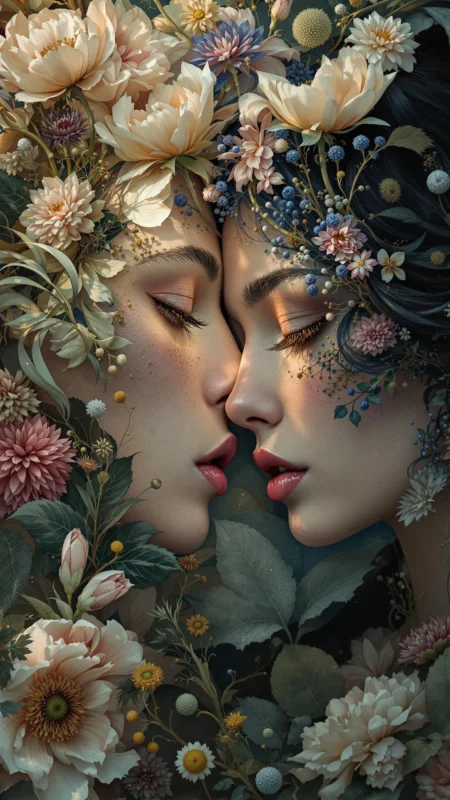
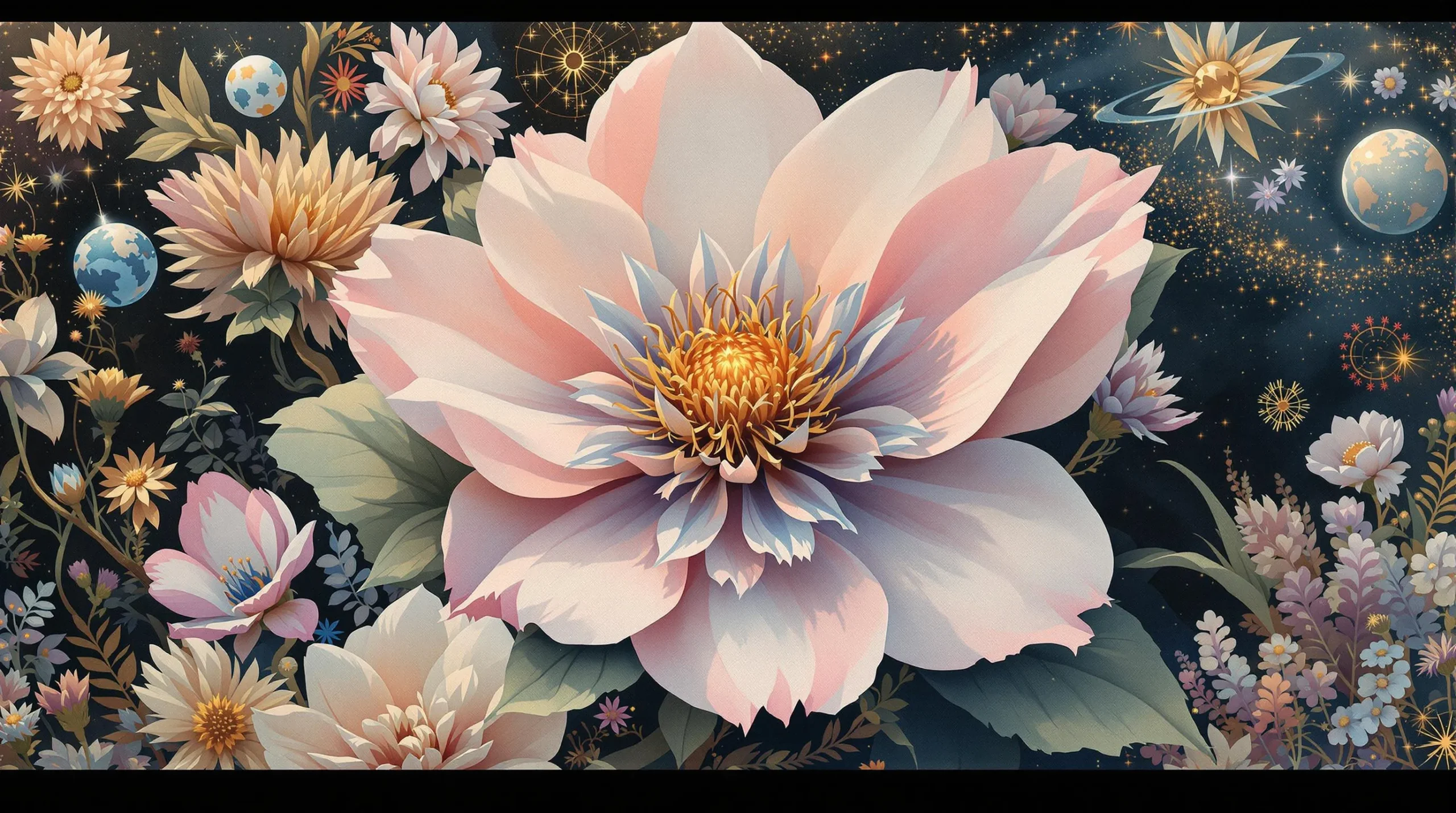
In the personal mythos, the Flower archetype speaks to a life measured not in linear achievements but in seasons of expression. It is the quiet insistence that being is as important as doing. You may find your life story isn't a hero's journey toward a singular treasure but a series of cyclical blossomings, each one perfect and complete in its own time. The Flower mythos values the ephemeral, suggesting that the most profound moments are often the most fleeting: a flash of insight, a moment of pure connection, a creative work that exists for its own beautiful sake. It champions a courage that is soft, a strength rooted in surrender to one's own nature and the larger forces of life.
This archetype also carries the potent symbolism of beauty as a form of truth. It posits that aesthetics are not frivolous but are a fundamental language of the soul. To have the Flower in your mythos is perhaps to believe that your primary role is to bring beauty into the world, whether through art, kindness, or simply your own presence. This isn't a passive state but an active, albeit quiet, one. It is the work of transforming light, water, and earth—the raw materials of existence—into a singular, breathtaking expression. The Flower reminds you that your very existence can be a gift, a point of color in a monochrome landscape, a scent that changes the quality of the air.
Furthermore, the Flower archetype is a meditation on mortality and legacy. Unlike the Stone, which promises permanence, the Flower's legacy is in the seed, in the memory of its scent, in the inspiration it provides before it wilts. A person living this myth may not be concerned with building monuments but with planting seeds: ideas, kindnesses, and creative impulses that will bloom in others long after they are gone. It is an acceptance of the transient nature of individual life, coupled with a deep faith in the continuity of life itself. The goal is not to live forever but to bloom so fully that your brief season leaves the world more fertile than you found it.