 Believe
 Fear
Fear Strength
 Weakness
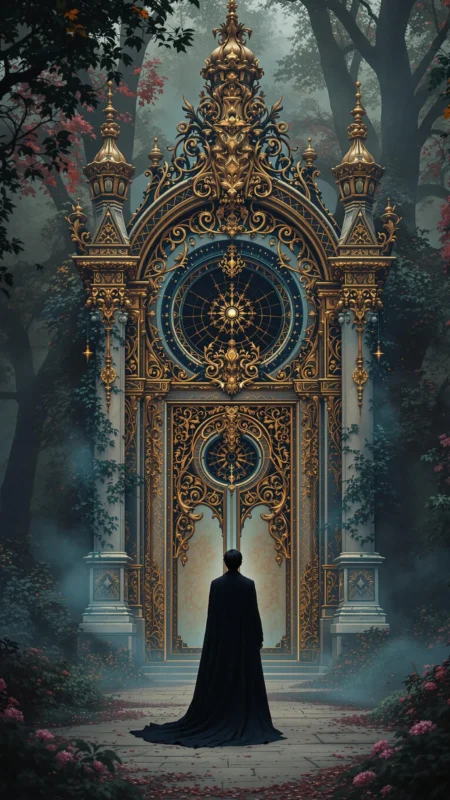
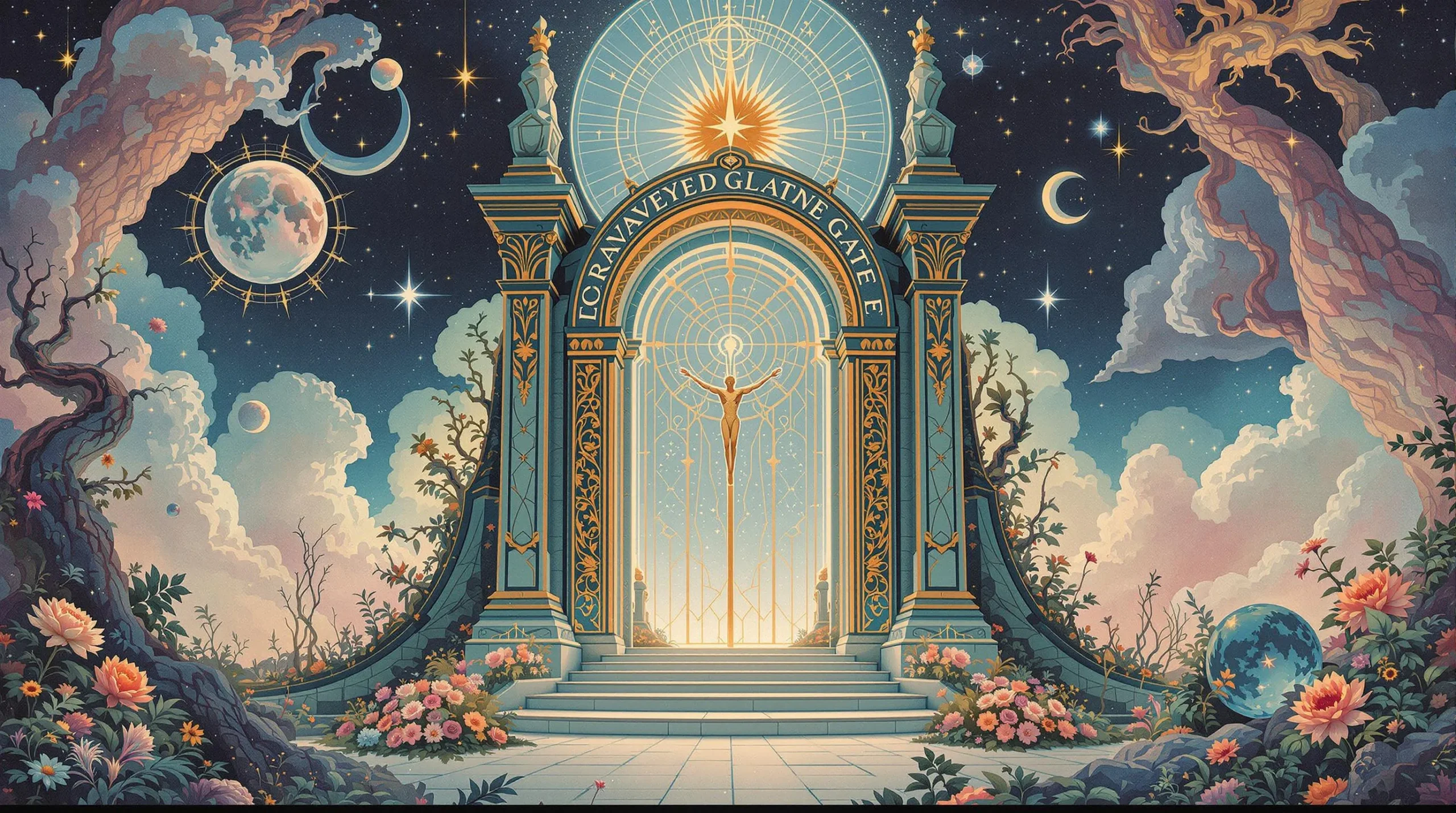
In personal mythology, the Graveyard Gate is the quiet custodian of our conclusions. It is not the morbid skull, but the ornate, wrought-iron sentinel that stands between what is and what was. Its presence in one's inner landscape suggests a deep, perhaps unconscious, understanding that endings require as much structure and dignity as beginnings. This archetype represents the crucial act of creating boundaries with our own history. It is the part of us that knows when to declare something over: a job, a love, an identity. It's the sacred pause before we turn away, the formalization of a goodbye. The Gate doesn't slam shut in anger; it closes with a heavy, resolute click, promising to guard the memories within, protecting them from the carelessness of the present.
More than a symbol of death, it is a symbol of well-managed life. A life without such gates is a chaotic landscape where the past bleeds into the present, where old wounds are never allowed to scar over, and old conversations echo endlessly. To have the Graveyard Gate in your mythos is to value psychological tidiness, to believe in the power of ritual to bring order to the chaos of loss. The moss on its stone pillars may speak of time, the rust on its bars of the tears of many partings, but its form stands resolute. It offers a profound peace: the peace of knowing that what is done is done, and it has been laid to rest with honor.
This archetype challenges the modern obsession with keeping all options open. It posits that true freedom may not come from infinite choice, but from the courage to make a few profound ones, including the choice to end things. The Gate asks you to consider what parts of your life you have allowed to become restless ghosts, wandering because they were never given a proper burial. It offers itself as the instrument for that ceremony, a tool for building a sanctuary for your past so that you might fully inhabit your present.