 Believe
 Fear
Fear Strength
 Weakness
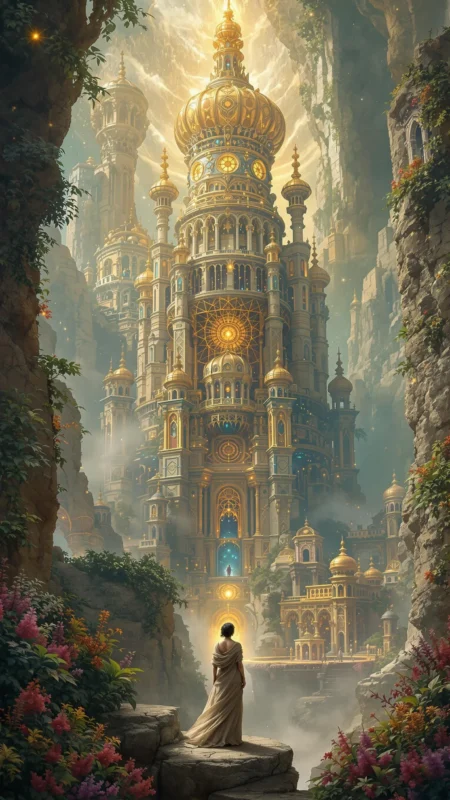
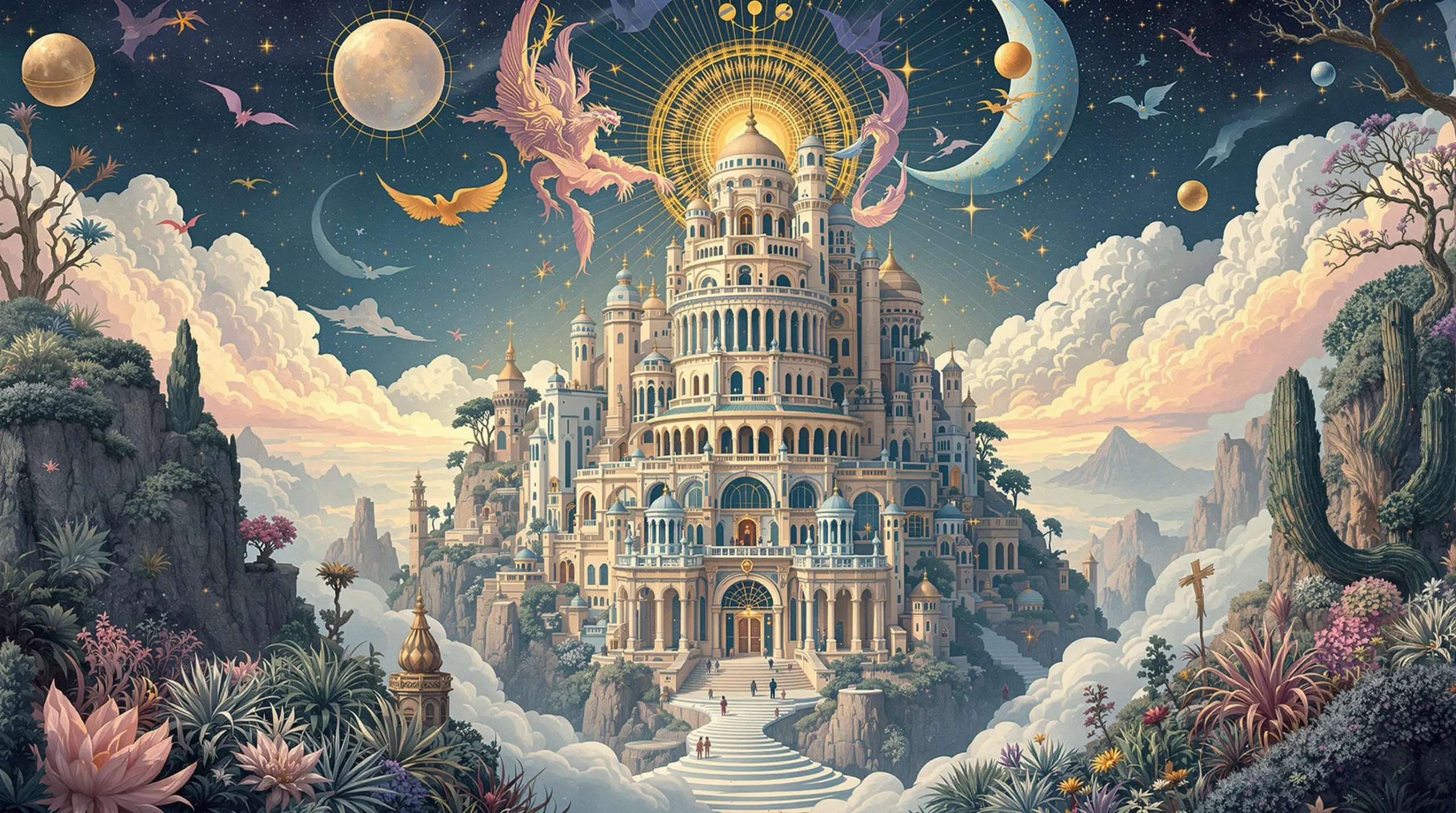
To carry the Lost City within your personal mythos is to harbor a persistent, beautiful ache for a place you have never been yet remember perfectly. It may symbolize an idealized past, a “golden age” of your own life before some perceived fall from grace: the sun-drenched courtyards of childhood, a first love that felt like a self-contained civilization, a creative period of astonishing output. This internal Shangri-La is both a sanctuary and a prison. It offers a blueprint for what happiness and meaning look like, a resonant chord of utopian longing. Yet, its perfection can cast a long shadow over the messy, imperfect, and very real landscape of your present life, making it seem a pale imitation of what was, or what could be.
The archetype also speaks to a profound belief in untapped potential. The Lost City is the magnificent, unrealized version of the self. It is the genius you might have been, the peace you could achieve, the great work you are destined to create, all lying dormant under layers of doubt, responsibility, and the simple sediment of daily living. The quest to find it is the story of your life. Every act of self-improvement, every spiritual seeking, every creative endeavor may be a form of cartography: an attempt to map the coordinates of that hidden, internal metropolis. It suggests that the most sacred parts of you are not built, but discovered.
Ultimately, the Lost City could be a metaphor for a truth that is unspeakable, a wholeness that defies language. It is the feeling that stands behind organized religion, the silent geometry that underpins great art. It represents a home for the soul, a return to a source that feels more real than reality itself. This may manifest as a spiritual quest for enlightenment or a psychological drive for integration, the deep-seated human need to find a pattern in the chaos, a citadel in the wilderness. It is the promise that, however lost you feel in the world, a part of you is already home, waiting for the rest of you to arrive.