 Believe
 Fear
Fear Strength
 Weakness
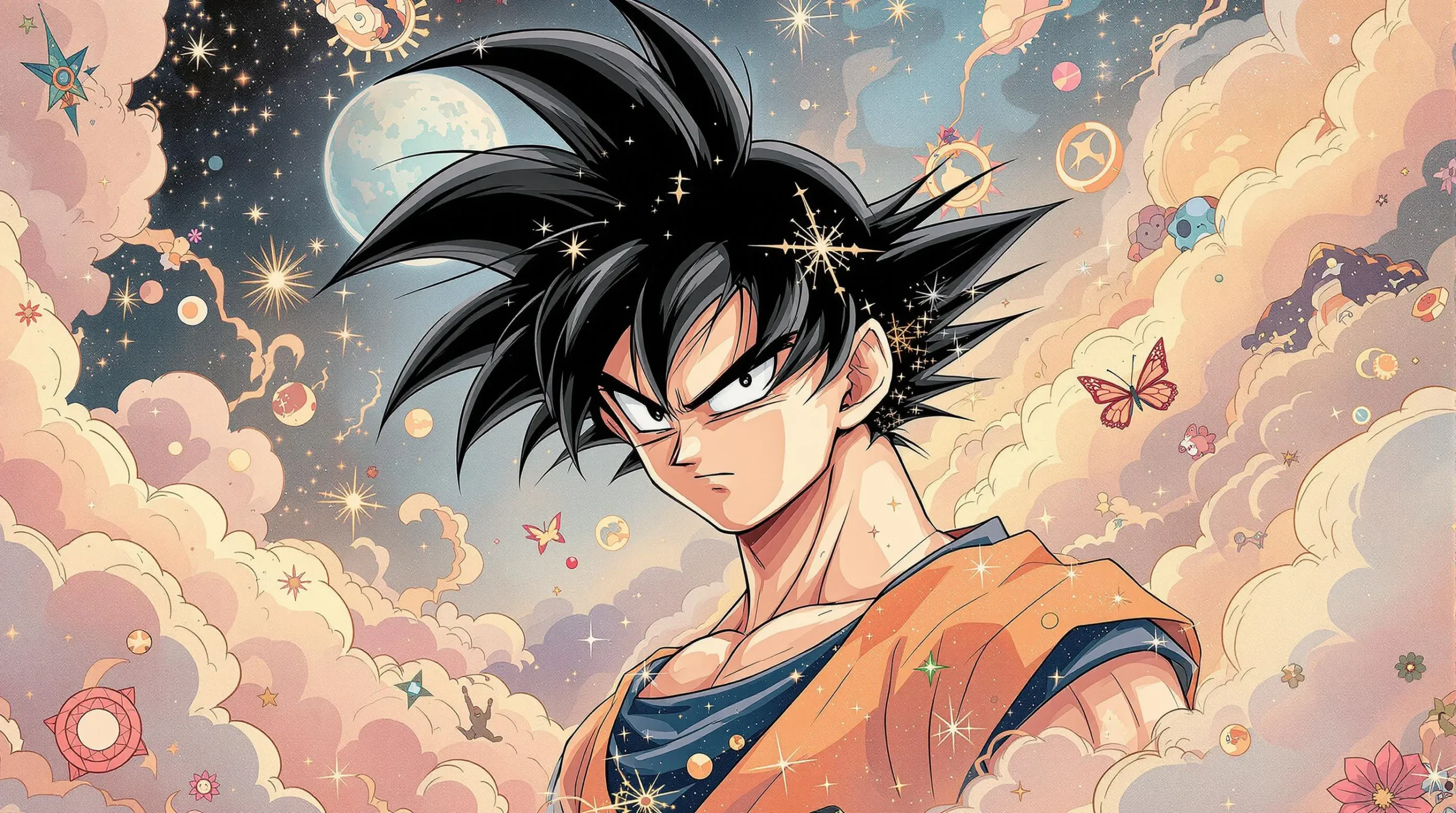
The Goku archetype is the modern myth of perpetual becoming. It suggests that the self is not a static entity to be discovered, but a mutable force to be forged in the crucible of challenge. To have Goku in your personal pantheon is to believe that the summit of one mountain is merely the base camp for the next, and that this climb is not a grim duty but the whole point of existence. Your life may cease to be a story about arriving at a destination of peace or success, and instead become an epic of the training arc. Every setback, every formidable opponent, every moment of hitting a plateau is not a narrative flaw but a vital plot point, the necessary precondition for the next, glorious transformation.
This archetype also champions a radical purity of intent. Power, in the Goku mythos, is not sought for dominion, wealth, or status; it is cultivated for the sheer joy of the contest and the solemn duty of protection. This untangles ambition from its more sordid, worldly connotations. A person channeling this energy might pursue excellence in their field not to crush competitors, but to experience the thrill of a worthy rival and to safeguard what they love—their family, their community, their art. It is a philosophy of power without corruption, where strength's only legitimate purpose is to shield the gentle and to answer the call of a righteous fight.
Furthermore, the symbolism extends to a profound optimism rooted in forgiveness and potential. Every villain, from Piccolo to Vegeta to Majin Buu, contains the seed of a future ally. This worldview insists that no one is beyond redemption and that today’s enemy might be tomorrow’s most trusted friend. It’s a belief that the shared experience of struggle is a more powerful bonding agent than any past transgression. This recasts interpersonal conflict not as a permanent schism, but as a violent, intense form of introduction, a prelude to a deeper understanding and, perhaps, a lifelong camaraderie.