Believe
 Fear
Fear Strength
 Weakness
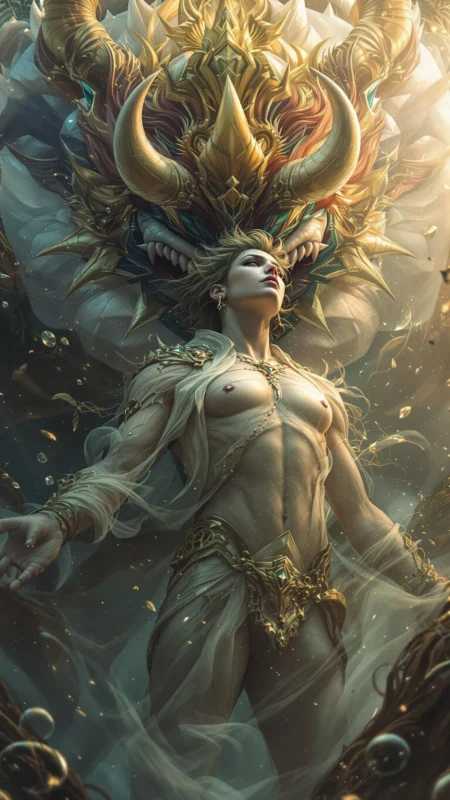
To have Bowser as a resident of your personal mythology is to house a beautiful, monstrous engine of pure want. He is the archetype of relentless, theatrical ambition. He is not the whisper of subtle evil: he is a volcanic eruption of desire, a roaring opera of conquest for an audience of one. Bowser may represent that part of the self that refuses to be polite about its own hunger, the primal will that builds fortresses to house its obsessions. He is the patron saint of the unsubtle, the grand gesture, the magnificent, doomed plan. He symbolizes a life force that cannot be extinguished, only temporarily defeated, a fire that always finds a way to reignite.
There is, perhaps, a profound performance at the heart of Bowser. He is the King of the Koopas, a role he plays with bombastic flair. This suggests an understanding, however subconscious, of his place in the story. For the individual, this could symbolize the masks of power we wear, the roles of antagonist or disrupter we feel compelled to play, perhaps to shield a core of surprising vulnerability. His castle is both a fortress and a stage, and his repeated kidnappings are not just crimes, but scheduled performances in an epic he co-authors. He is the villain who needs the hero to validate his own existence.
The most poignant symbolism may lie in his cyclical struggle. He always loses, but he always returns, often bigger, badder, and with a new, even more elaborate plan. He embodies a particular flavor of resilience that borders on absurdity. This archetype teaches that failure is not an end, but merely the curtain falling on Act One. His story suggests that meaning is found not in final victory, but in the sheer, glorious, repetitive effort of the attempt. He is a Sisyphus with a spiked shell, who finds purpose not in reaching the peak, but in the magnificent, fiery process of the push.