Believe
 Fear
Fear Strength
 Weakness
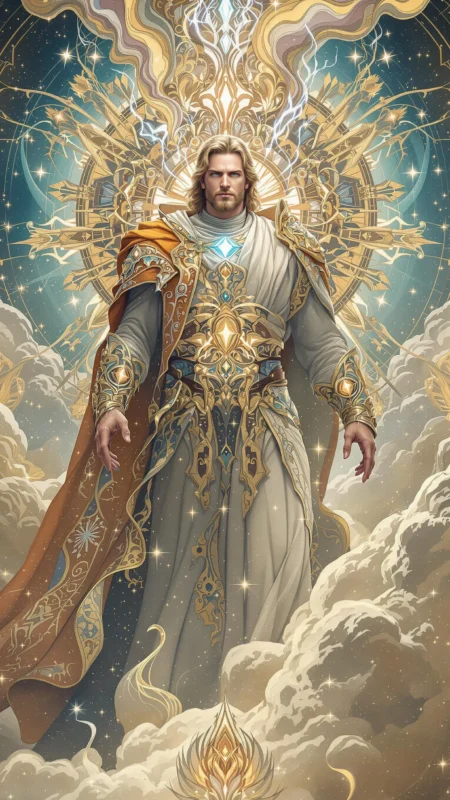
At its core, the Luke Skywalker archetype is a story about the universe's sudden, shocking interest in the unremarkable. It is the myth that greatness is not loud but quiet, gestating in the most forgotten corners of the world: the moisture farm, the dead-end town, the life you thought was a permanent condition. Its symbolism whispers that your feelings of being overlooked may be a necessary incubation period. Your personal mythology, through this lens, is not about becoming someone else, but about awakening to the person you were always meant to be, a revelation that often arrives not as a coronation, but as a desperate plea for help from a hologram.
The archetype is also a profound meditation on guidance. It posits that the hero is not self-made. The journey is impossible without the mentor, the wizened figure who sees the future hero beneath the dusty exterior of the present-day farmhand. This relationship symbolizes the necessity of wisdom, the passing of a torch. In your own mythos, this mentor may not be a robed hermit but a challenging book, a difficult boss, a transformative therapist: anything that forces you to unlearn what you know and confront your own limitations. The initial refusal of the call is not cowardice: it is the sane, rational resistance to the terrifying prospect of true growth.
Perhaps its most resonant meaning lies in the confrontation with the father, the shadow, the self. The fight with Vader is the symbolic climax of every personal story that involves grappling with a difficult legacy. It is about integrating, not destroying, the darkness you have inherited. The final victory is not a killing blow but an act of radical compassion: the choice to throw away the weapon. It suggests that true self-realization is found not in proving your strength, but in choosing your own nature, even and especially when it defies the powerful narrative written for you by blood and history.