 Believe
 Fear
Fear Strength
 Weakness
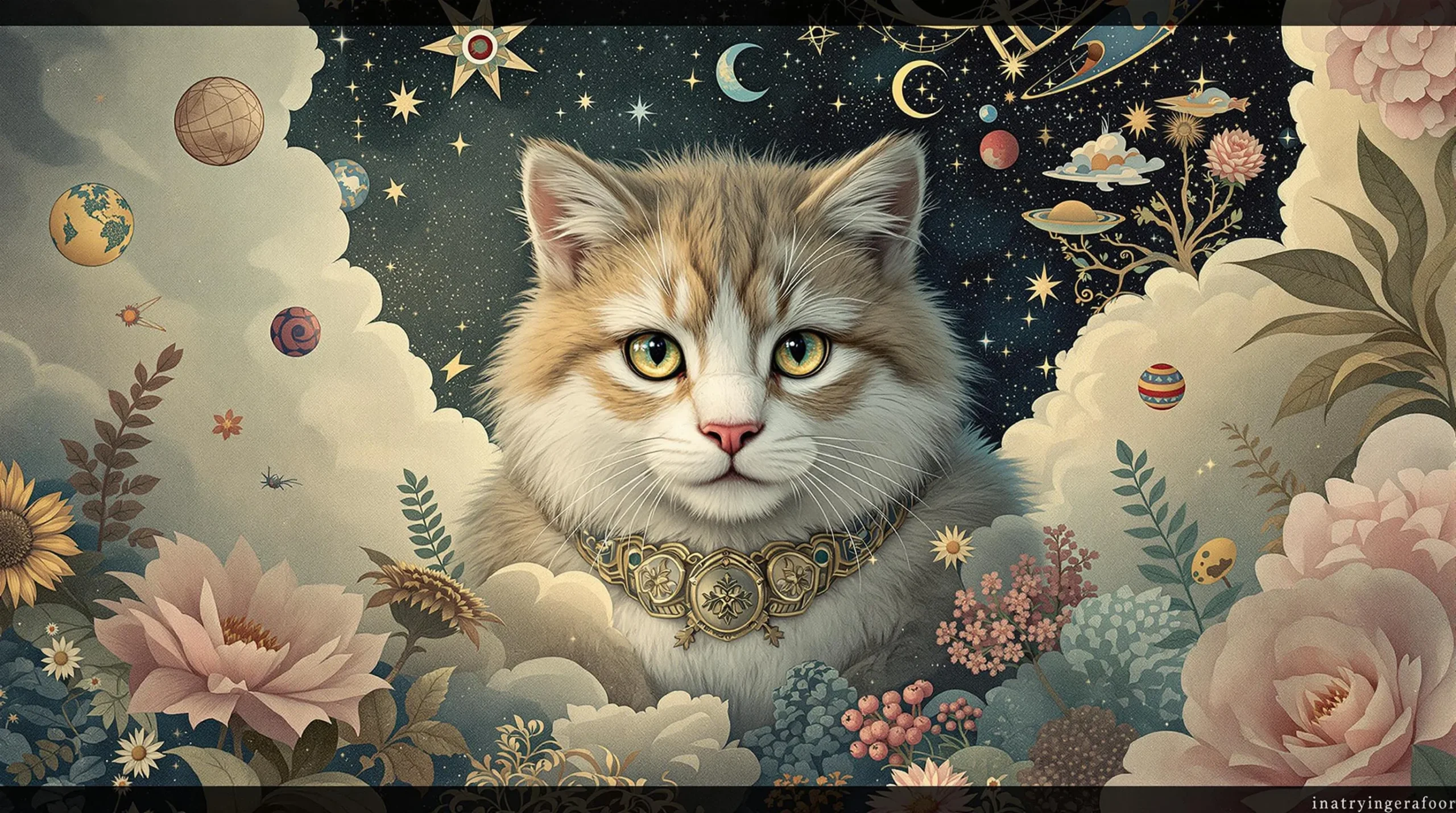
The Hobbes archetype is the patron saint of the secret friend, the companion visible only to the heart that summoned it. He represents a personal mythology where the most significant character is woven from imagination and deep psychological need. To have a Hobbes is to carry a sentient shadow, a confidant who is both a reflection of the self and a distinct, challenging personality. He is the voice of primal instinct wrapped in philosophical wit, the untamed part of the psyche that refuses to be fully civilized. He symbolizes the idea that our inner world is not just a landscape of thought and feeling, but a place populated by beings who can guide, challenge, and love us.
He is the living embodiment of a paradox: the imaginary friend who is more real than most people. This speaks to a truth that personal mythologies often honor: that subjective reality holds a power and legitimacy equal to, and perhaps greater than, objective fact. Hobbes is the wisdom of the inner child given a voice, a form, a name. He is the carnivorous urge for a tuna sandwich and the sophisticated critic of modern art. He represents the integration of our wildness and our wisdom, suggesting that the two are not opposites but different facets of a whole, complex, and interesting being.
Ultimately, Hobbes symbolizes a particular kind of salvation. Not from sin or external threat, but from the crushing weight of a purely material, consensus-driven reality. He is the key to a private kingdom where the rules of the outside world do not apply. His presence suggests that the most profound adventures are not those that take place in the world, but those that unfold in the dialogue between the self and its chosen, secret companion. He is the furry, striped anchor of a personal mythos grounded in the unassailable reality of imagination.