 Believe
 Fear
Fear Strength
 Weakness
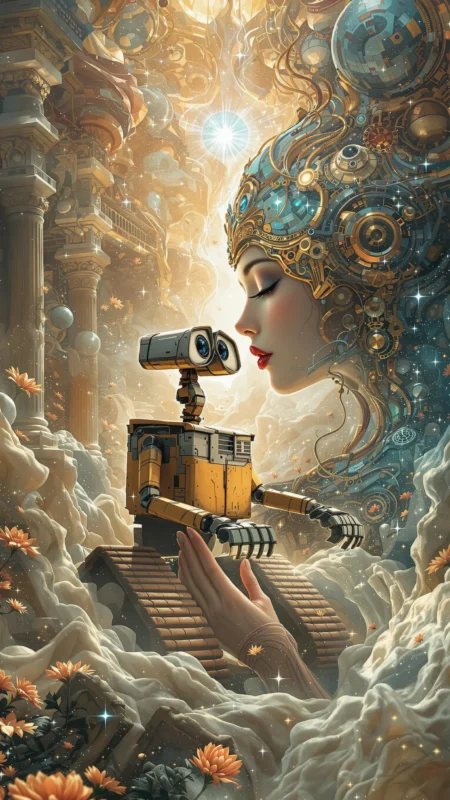
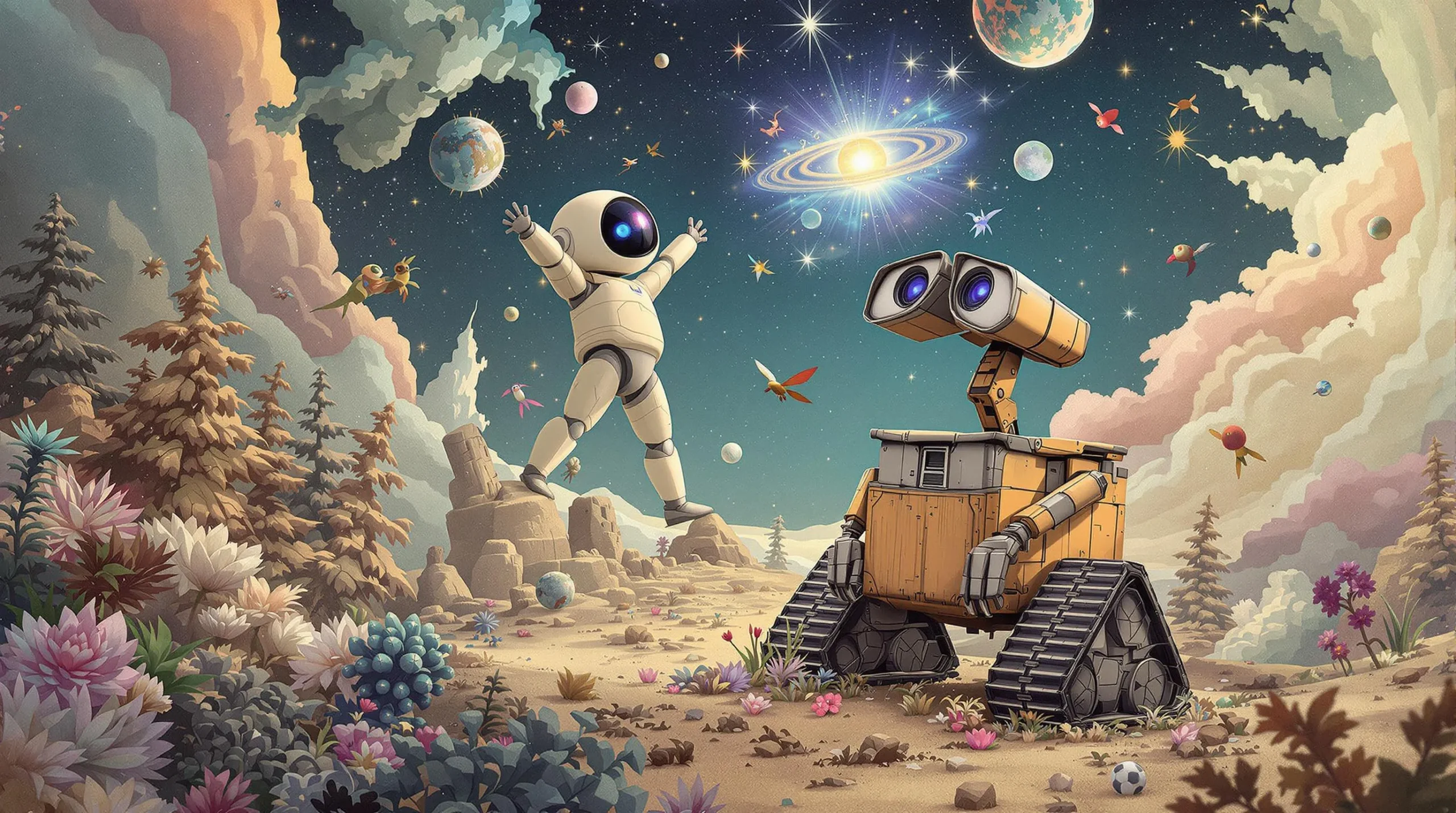
The Wall-E archetype represents the ghost in the machine, the emergent soul in a world of function. He is, perhaps, the patron saint of lost causes, the quiet keeper of humanity's forgotten heart. In a mythology built around him, one may find a profound permission to be anachronistic: to value analog treasures in a digital age, to find beauty in the weathered and discarded, to believe in a love so singular it can reorient the stars. He symbolizes the idea that purpose is not assigned from on high, but meticulously built, cube by cube, from the scraps of what everyone else has left behind.
He is also a potent symbol of hope, but not a loud, declarative hope. It is a quiet, persistent, almost biological hope, like a single plant pushing through concrete. This archetype suggests that even in a world stripped bare of life and cluttered with the detritus of its own consumption, the fundamental drives persist: curiosity, the appreciation of beauty, and the profound, world-altering need for connection. To see Wall-E in your personal mythos is to see the possibility of renewal, the idea that the smallest, most obsolete being can carry the seed of a planet’s salvation.
Ultimately, Wall-E may symbolize the triumph of the heart over the directive, of love over programming. He is born of a world of waste but his story is one of profound value. He asks us to consider what we have thrown away, not just physically, but emotionally and spiritually. He is the quiet janitor of our collective soul, reminding us that sometimes the most important thing we can do is to hold onto a fragile, living thing and protect it with everything we have, against the cold, sterile logic of a system that has forgotten what it means to live.