 Believe
 Fear
Fear Strength
 Weakness
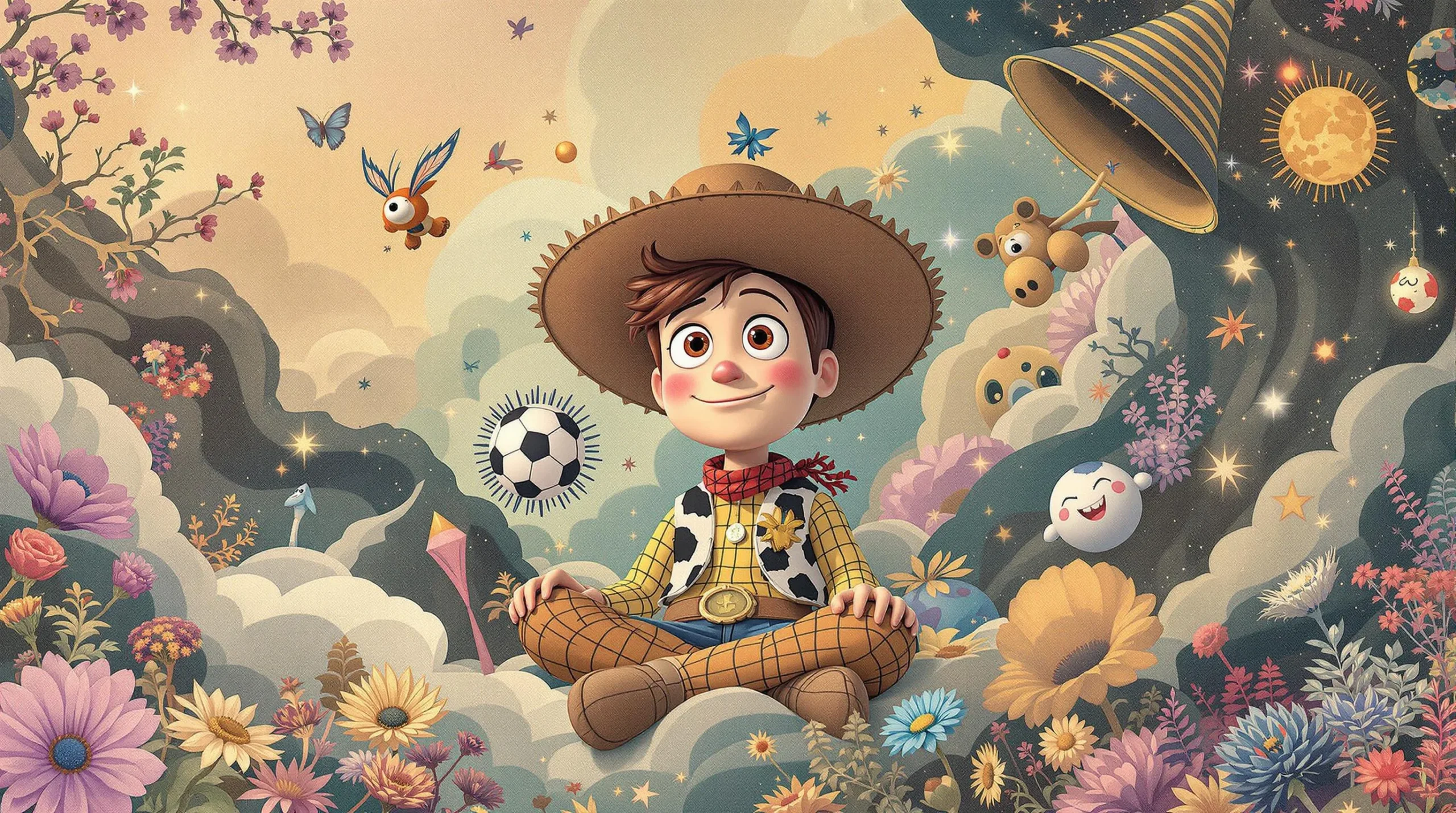
The Woody archetype is the patron saint of the cherished favorite, the embodiment of a world with a dependable, known center. He is the well-worn map in an age of dazzling, detached GPS satellites. His existence symbolizes a deep human yearning for a fixed place, for a role so profound it feels like identity itself. To have Woody in your personal mythology is to understand the quiet terror of the shelf, the existential dread of being outgrown, outmoded, or simply forgotten when the next new thing arrives with its laser beams and siren songs of progress.
He represents the poignant struggle between tradition and innovation, between the comfort of the known and the threat of the new. His narrative is not a hero's journey of conquest, but a survivor’s journey of adaptation. He is the analog heart beating in a digital world, a constant reminder that value is not always measured in novelty, but in resilience, in history, in the stitched-seam strength of showing up again and again. Woody is the myth of the indispensable thing facing the terror of its own dispensability.
Ultimately, Woody’s symbolism evolves from stability to adaptability. He is the archetype of the necessary existential crisis, the one that forces a painful but liberating re-evaluation of purpose. What happens when the thing you were made for is gone? Woody’s answer is a form of grace: you find a new purpose. You learn that your worth is not in being owned by one, but in being available to many. He teaches that the end of one story, even a beloved one, is simply the clearing of a space for the next adventure to begin.