 Believe
 Fear
Fear Strength
 Weakness
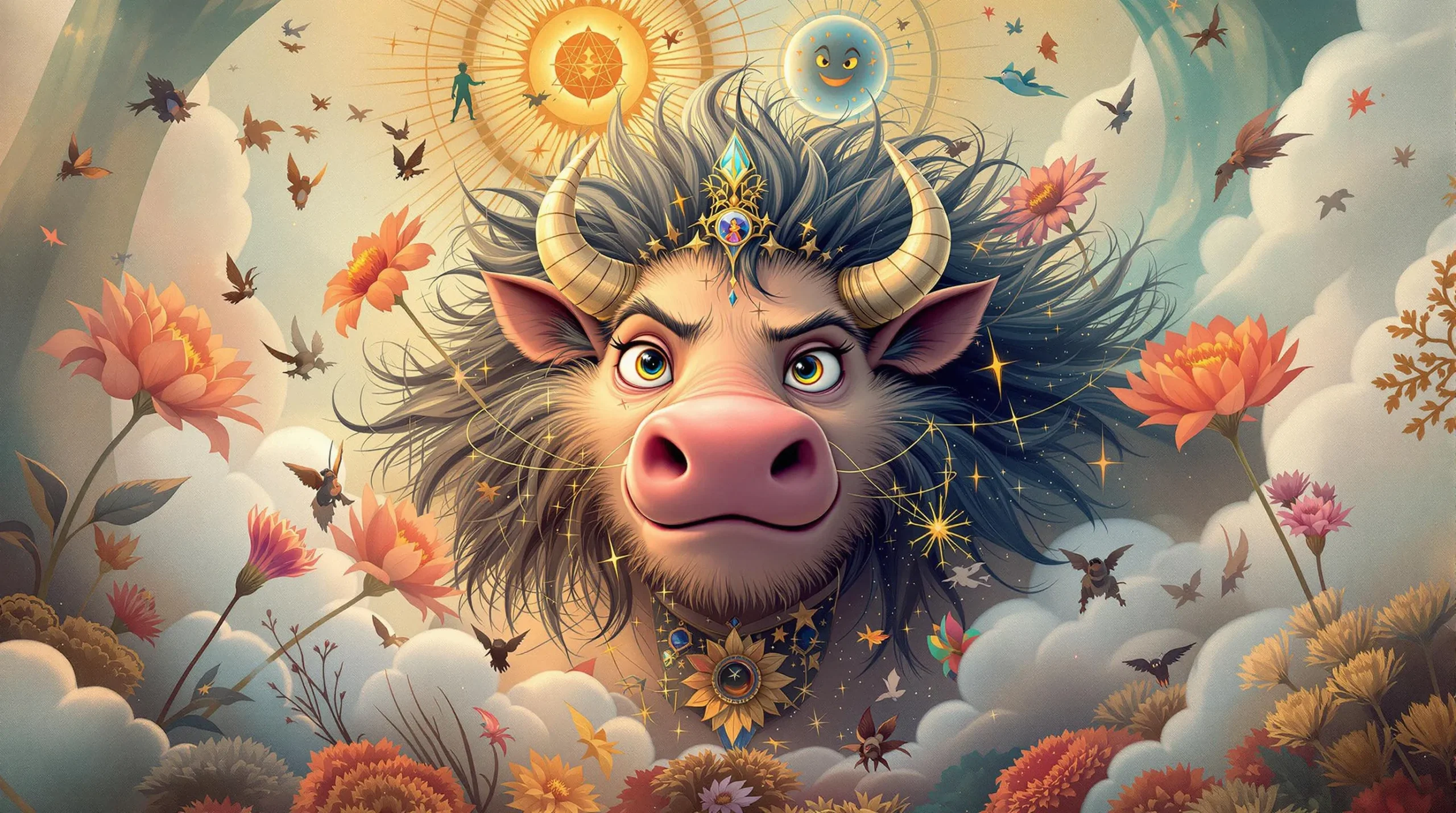
Pumbaa, in the modern mythos, may symbolize the sanctity of the unpretentious self. He is a totem for those who find wisdom not in lofty intellect but in earthy, embodied experience. He represents a departure from the tyranny of aspiration, the endless, exhausting climb for status. His joy is not contingent on achievement; it is found in the slimy, yet satisfying, grub, in the warmth of the sun, in the easy rhythm of companionship. Pumbaa could be seen as a version of the Sacred Fool, an archetype whose apparent simplicity allows him to bypass the anxieties and pretenses that trap more 'sophisticated' minds. He doesn't overthink, therefore he is free. His personal myth is an invitation to find liberation in what is simple, what is present, and what is true to one's own nature, however unglamorous.
The archetype is also a powerful symbol of the chosen family. Ostracized from his herd, Pumbaa doesn't wither in isolation; he co-creates a new, more vibrant form of belonging with fellow outcast Timon. Their later adoption of the exiled lion prince, Simba, solidifies this theme. It suggests that the most profound bonds are not dictated by blood or society, but are forged in the crucible of shared vulnerability and mutual care. For someone whose personal mythology involves a departure from a toxic family of origin or a feeling of being a 'misfit,' Pumbaa represents the profound hope that a tribe can be built, that belonging is an act of creation, and that the most unlikely assortment of souls can form the most resilient and loving of families.
Finally, the 'Hakuna Matata' philosophy itself is a potent symbol for a specific kind of psychological resilience. It is not mere hedonism or denial, but a conscious spiritual or mental practice. It is the construction of a sanctuary. In a world saturated with trauma, pressure, and the ghosts of the past, Pumbaa’s motto is a spell for carving out a space of peace. It's the decision to 'put your behind in your past,' a beautifully simple metaphor for cognitive reframing. It symbolizes the power to declare a personal armistice with one's own history, allowing for healing and joy to take root in the fertile ground of the present moment.