 Believe
 Fear
Fear Strength
 Weakness
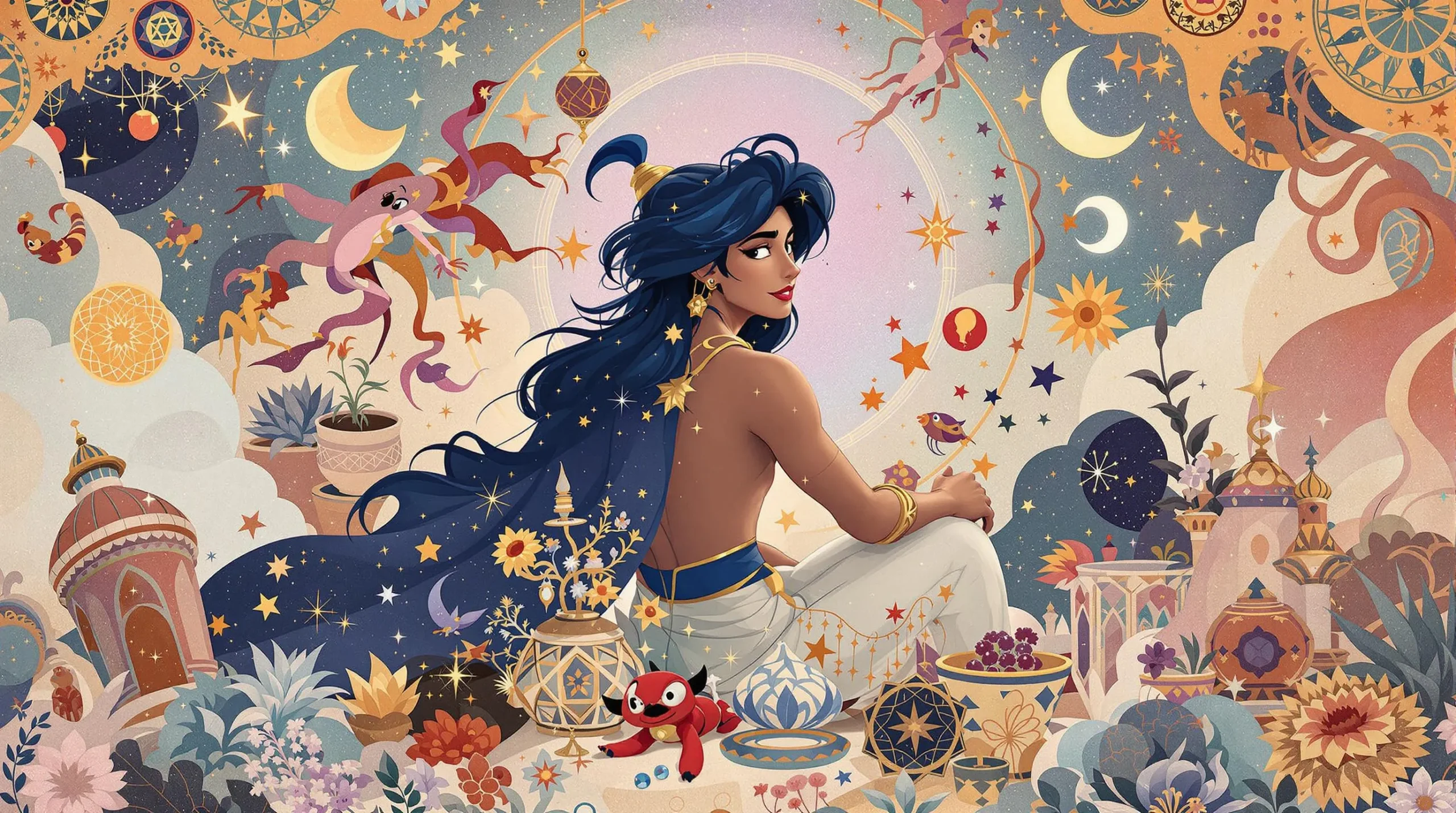
The Aladdin archetype may speak to a very modern condition: the feeling of immense potential locked away by circumstance. He is the patron saint of the gifted intern, the brilliant artist in a dead-end job, the soul who knows, with a quiet, fierce certainty, that they are more than their current station. The narrative is a profound meditation on worth. It asks whether value is inherent, like a diamond, or if it is something that must be acquired, performed, and proven. The lamp itself is a potent symbol, perhaps representing that sudden opportunity, that stroke of luck, or that technological disruption that promises to change everything overnight. It is a test: when given limitless power, does one free others, or merely build a more opulent cage for oneself?
This story is also a parable of authenticity. Aladdin’s central journey is not from the street to the palace, but from the mask of 'Prince Ali' back to himself. The mythos suggests that what we gain through deception is fragile, a sandcastle palace vulnerable to the slightest tide of truth. True connection, true power, and true belonging are only accessible when the performance ends. It’s a quiet insistence that the greatest treasure in the cave was never the gold or the jewels, but the courage to be oneself, unadorned and unapologetic, and to be loved for it.
Ultimately, Aladdin could be seen as a symbol of benevolent disruption. He doesn't seek to overthrow the system so much as to find his rightful place within it, and in doing so, he exposes its flaws and opens it to new possibilities. He is the chaos agent with a good heart, the trickster who serves a higher purpose. His story suggests that sometimes, the most rigid structures can only be changed by someone who understands the rules well enough to creatively break them, someone who can dance through the marketplace, just one jump ahead of the old guard.