 Believe
 Fear
Fear Strength
 Weakness
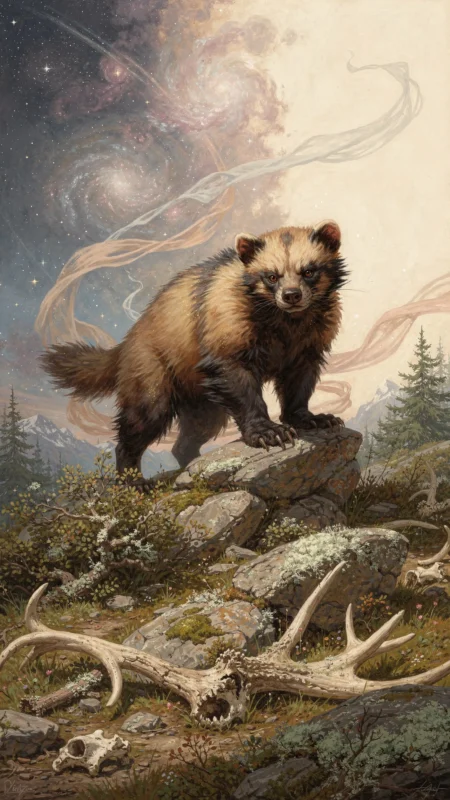
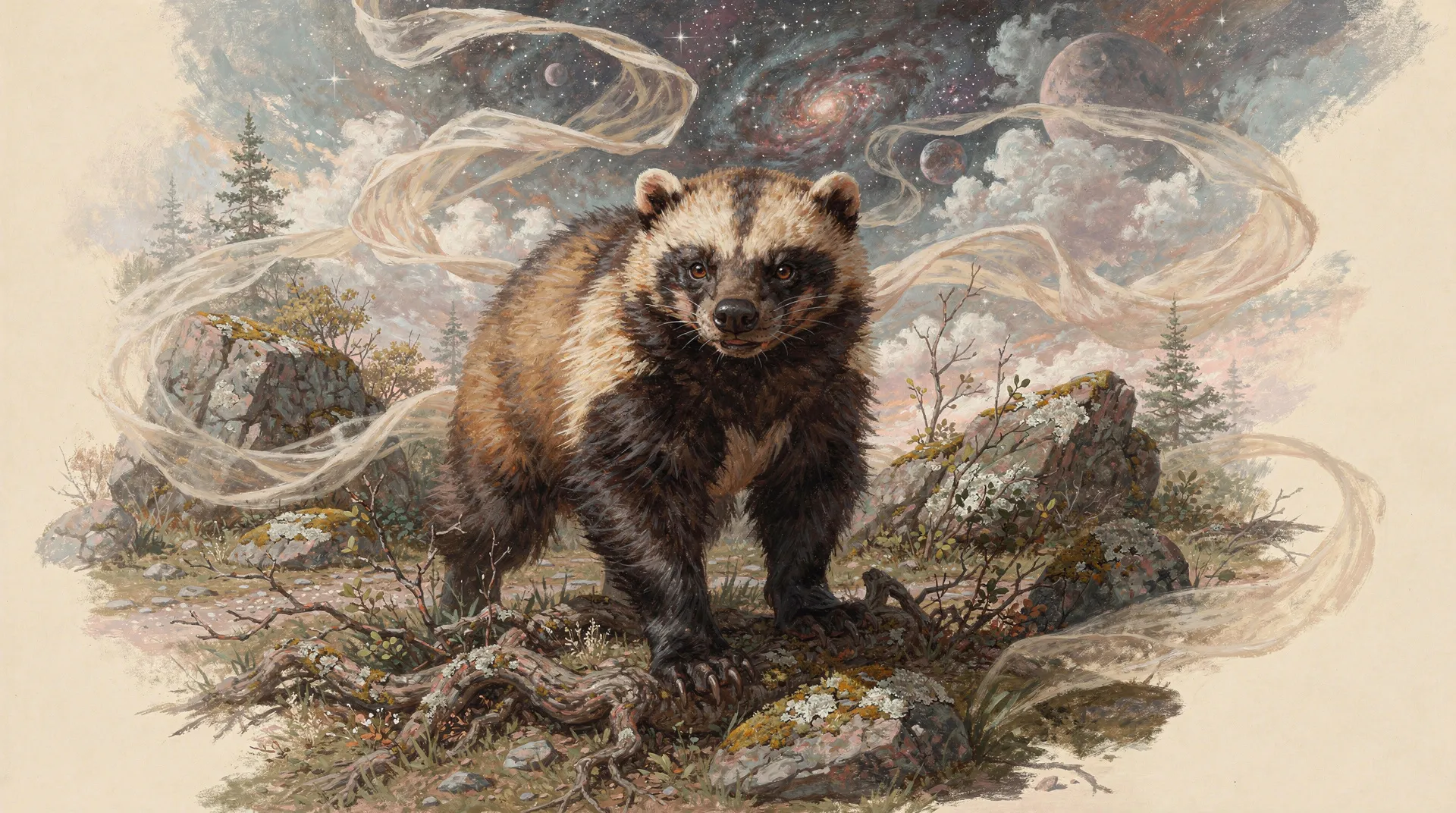
The Wolverine archetype is a meditation on survival. Not the sanitized, inspirational kind, but the ragged, bloody, and ongoing business of simply enduring. To have this figure in your personal mythos is to acknowledge that life inflicts wounds that never truly vanish. The symbolism here is not in avoiding injury but in the miraculous, ugly process of healing. The skin knits back together, but the phantom pain of the adamantium bonded to the bone remains. This archetype suggests that resilience is not a state of being unmarked, but a process of carrying your scars and still being able to stand, to fight, to protect.
At its core, this is an archetype of internal conflict: the tension between the man and the animal. Wolverine is a constant war within a single body. He represents that feral, instinctual part of the self that society demands we suppress. To integrate him into your mythology is to begin a dialogue with your own inner beast. It is to ask what it wants, what it fears, and when it needs to be unleashed. He symbolizes the struggle for control, the fear of losing it, and the dawning realization that perhaps true mastery is not about caging the animal, but about learning to run with it without losing yourself.
Finally, Wolverine embodies the myth of the reluctant family man. He is the eternal loner who constantly, almost against his will, finds himself part of a pack. He symbolizes the profound loyalty that can be forged in the crucible of shared adversity. This is not the easy love of a peaceful home, but the fierce, protective bond between soldiers in a trench. For a person whose mythology includes this archetype, family may not be the one you are born into, but the one you bleed for. It is the discovery that even the most solitary creature has a deep-seated need to belong and to protect.