 Believe
 Fear
Fear Strength
 Weakness
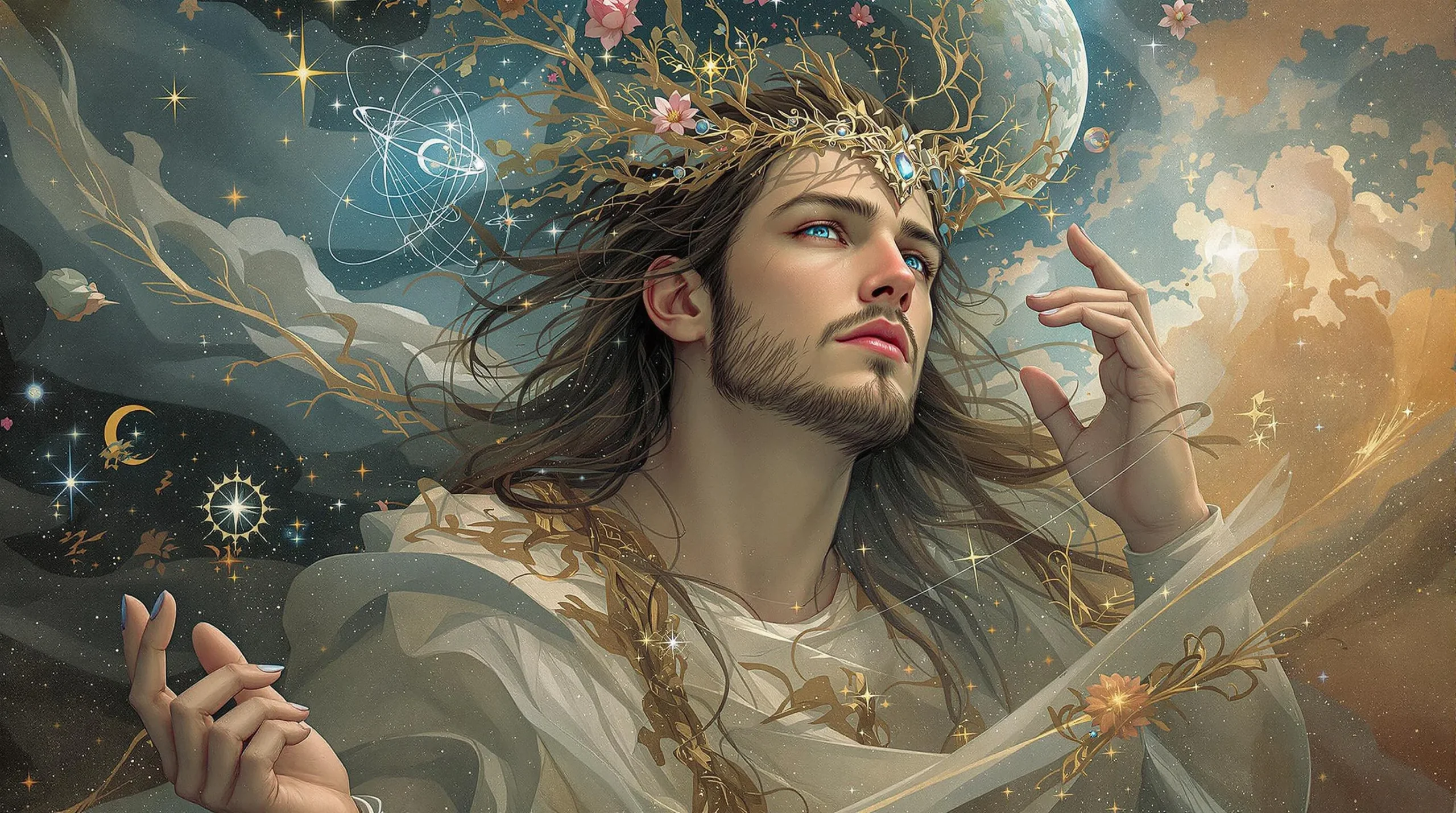
Elrond may symbolize the weight and wisdom of living history. He is not merely knowledgeable; he is a living archive, his consciousness a library of ages. Within a personal mythos, he represents the part of the self that remembers everything: the ancestral traumas, the cultural victories, the personal heartbreaks that still echo in the present. To align with this archetype is to accept the burden of a long memory, to see the current moment not as an isolated event but as a single, resonant note in a vast and ancient symphony. This perspective grants a profound, almost geological patience, an understanding that true significance unfolds over epochs, not afternoons.
The archetype is also a potent symbol of sanctuary. Rivendell is more than a location; it is an ideal, a psychological state of being. It represents the capacity within to build a space for profound healing, contemplation, and counsel amidst a chaotic world. For an individual, this could manifest as the creation of a home that is a true refuge, or the cultivation of a mind so well-ordered it becomes a source of calm for others. The Elrond within is the architect of inner peace, the one who knows that before any great quest can be undertaken, there must be a Last Homely House where maps can be studied, wounds can be tended, and hope can be rekindled.
Finally, Elrond embodies the paradox of immense power used with immense restraint. As the bearer of Vilya, he wields one of the great rings, yet its power is expressed as preservation, not conquest. He has the authority to command and the foresight to dictate, but he chooses instead to advise, to convene, to permit others their own choices, however flawed. This represents a highly mature form of influence. It is the wisdom to know what you can control versus what you must entrust to others, the strength to guide a hero to the precipice of their destiny and then let them walk it alone. It is leadership that finds its greatest expression in letting go.