Believe
 Fear
Fear Strength
 Weakness
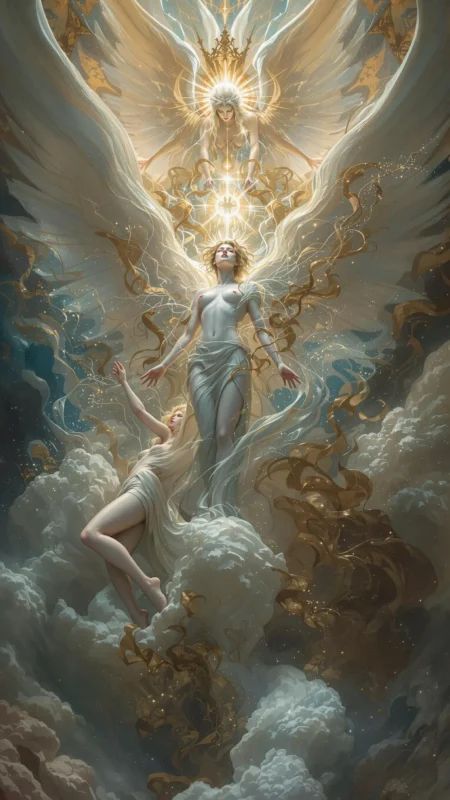
To have the Muses as a cornerstone of your personal mythology is to understand that inspiration is not a faculty you possess but a presence you commune with. It is the recognition of an unseen collaborator in the project of your life. This archetype reframes the creative act from a brute exertion of will into a delicate, often maddening, dance of listening and responding. The Muses may represent that uncanny moment when a solution appears fully formed, when a line of poetry arrives as if dictated, when the story tells itself through you. They symbolize the porous boundary between the conscious mind and the vast, humming reservoir of the collective unconscious, the realm where memory, story, and archetypes reside.
The nine sisters of Greek lore, each governing a different art or science, suggest a profound idea: that every field of human endeavor, from the writing of epic history to the charting of the stars, has its own unique inspirational channel. For you, the Muse may not be Calliope or Urania by name, but a specific current of energy that animates your particular genius. She could be the muse of elegant code, of compassionate legal arguments, of a perfectly balanced garden. She is the personification of the joy found in mastery, the voice that calls you to your highest, most articulate self within your chosen craft.
Ultimately, the Muses symbolize the sacredness of the creative impulse. They insist that the making of things—be it a song, a theory, a family, a life—is a divine act. They stand against a purely materialistic view of the world, suggesting that meaning is not found or assigned, but channeled and expressed. To live with the Muses is to believe that your life is not just a sequence of events but a composition, and your sacred duty is to listen for the music and play your part with as much grace and truth as you can muster.