Believe
 Fear
Fear Strength
 Weakness
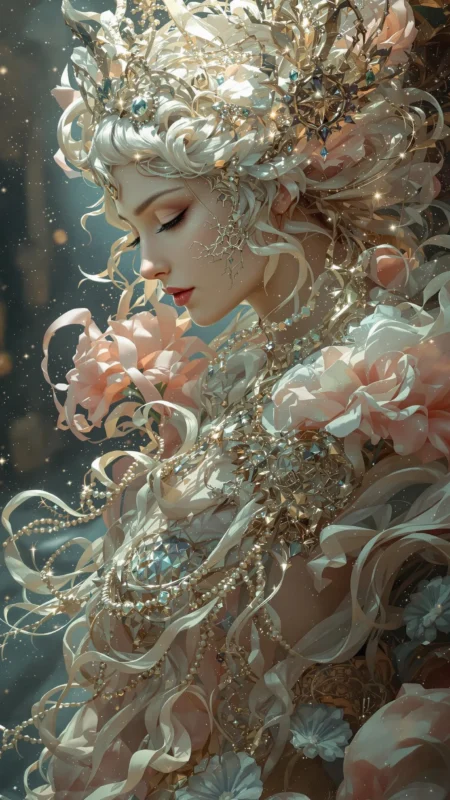
To have Juno as a feature in your personal mythology is to understand that some vows are sacred architecture. She is the archetype of the binding contract, the power that resides not in fleeting passion but in the enduring, formidable structure of commitment. Her domain is marriage, yes, but more deeply it is the very concept of the sanctioned partnership: the business alliance, the political treaty, the sworn oath between two sovereigns. She reminds us that to be a partner is not merely to be a lover; it is to be a co-regent of a shared kingdom, with all the duties, dignities, and responsibilities that entails. Her presence suggests a life built on the granite of promises kept.
Juno symbolizes a specific kind of power: institutional power. She is the queen, not just the king’s wife. Her authority derives from her position, her title, her role within a defined and respected hierarchy. To embody this archetype is to find power not in rebellion or chaotic freedom, but in the masterful command of a structured system. It is the quiet authority of the matriarch who directs the family’s fortunes with a single, knowing glance, or the CEO who shapes an entire industry through formal policy. This is not the wild magic of the forest, but the codified might of the temple and the senate.
Her famous jealousy and wrath are often misunderstood as petty. Within a personal mythos, this rage may be interpreted as the righteous force that emerges when a sacred covenant is violated. It is the fury of the architect whose cornerstone has been deliberately smashed. This is not the hot, impulsive anger of Mars, but the cold, strategic, and enduring wrath of a monarch whose authority has been questioned. It is the energy that defends the integrity of a system, that persecutes threats to its stability, and that reminds all parties that breaking a vow has devastating, long-lasting consequences.