 Believe
 Fear
Fear Strength
 Weakness
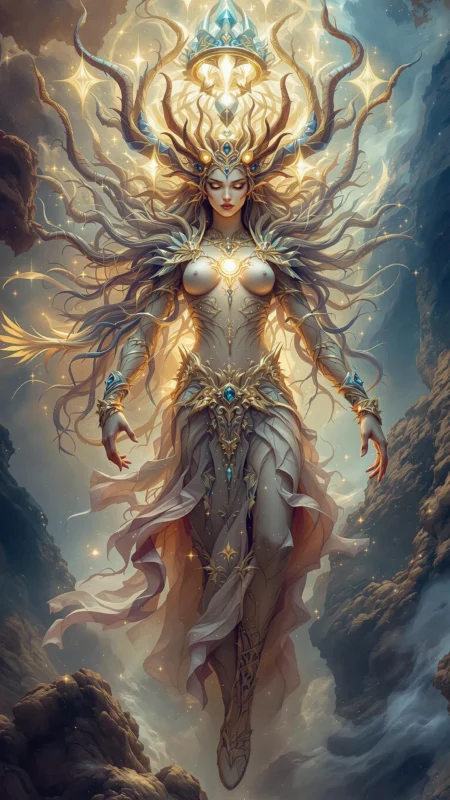
To have the Ve as a cornerstone of your personal mythology is to be an architect of the soul's inner cathedral. In a culture of relentless noise and transparency, the Ve symbolizes the radical act of creating and defending an interior sacred space. This is not a physical place, but a psychological and spiritual one: a quiet, walled garden of the mind where one can commune with the deepest self. It is the recognition that the soul requires a sanctuary, a place insulated from the profane chatter of the external world, where its own subtle voice can be heard. This archetype champions the profound value of what is hidden, what is held in reserve, and what is accessible only to the self.
The Ve is also a potent symbol for the art of the boundary. To consecrate a space is to define its edges, to declare what is allowed within and what must remain outside. In personal mythology, this translates to the creation of robust psychic and emotional borders. It is the power to say 'no' not out of anger, but out of reverence for the sanctity of one's own inner peace. It means curating one's attention as a sacred resource, protecting it from the constant attempted incursions of digital media, other people's dramas, and societal pressures. The Ve teaches that a well-defended perimeter is not a sign of fear, but of self-respect.
Ultimately, the Ve represents a liminal space: the threshold where the self is forged. It is the alchemical vessel for personal transformation. This is not just a quiet room, but a specific state of being where intuition becomes audible and the archetypes of one's own story can emerge to be wrestled with or embraced. It is in the resonant silence of the inner Ve that we might discern our personal fate, understand our wounds, and craft our unique meaning. It is the space where the raw material of life experience is transmuted into the gold of personal myth.