Believe
 Fear
Fear Strength
 Weakness
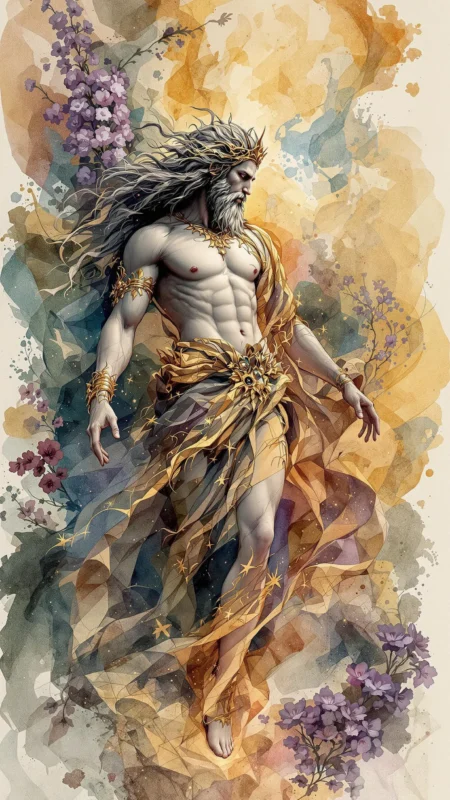
In the modern psyche, Dionysus may represent the vital, untamable life force that resists categorization. He is the patron saint of the outsider, the artist, the queer, the ecstatic, and anyone who feels their true self exists on the margins of the neatly manicured lawn of social acceptability. To find Dionysus in your personal mythology is to honor the part of you that must dance, create, and sometimes, shatter the structures that confine it. He is not a god of being, but of becoming: a perpetual process of dissolution and rebirth, where identity is not a fixed point but a fluid, dynamic performance. He is the sacred permission to be gloriously, divinely incomplete.
The archetype speaks to the necessity of creative chaos. Where his celestial foil, Apollo, represents form, order, and rational clarity, Dionysus brings the raw, undifferentiated energy from which all new forms arise. For the artist, the entrepreneur, or the thinker, this Dionysian impulse is the moment of the messy first draft, the wild brainstorming session, the deconstruction of an old paradigm before a new one can be built. He reminds us that true innovation requires a kind of 'sparagmos,' a ritual tearing-apart of what is known and comfortable, a necessary descent into confusion before a more profound and integrated clarity can emerge.
Dionysus is also a god of radical authenticity, but in a paradoxical way. He is the god of masks, yet his purpose is to reveal, not conceal. In our world of curated online personas and professional veneers, the Dionysian mythos suggests that we can only touch our true selves by trying on other faces. By playing a role, we discover the limits of our own ego. By embracing the mask of the dancer, the fool, or the lover, we find aspects of our own soul we never knew existed. The ultimate goal is not to find one true self, but to become comfortable in the dance of many selves, recognizing the divine spark in all of them.