 Believe
 Fear
Fear Strength
 Weakness
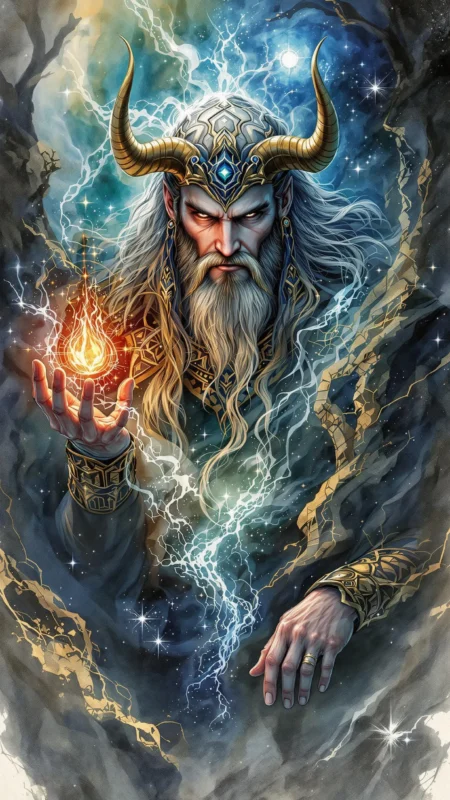
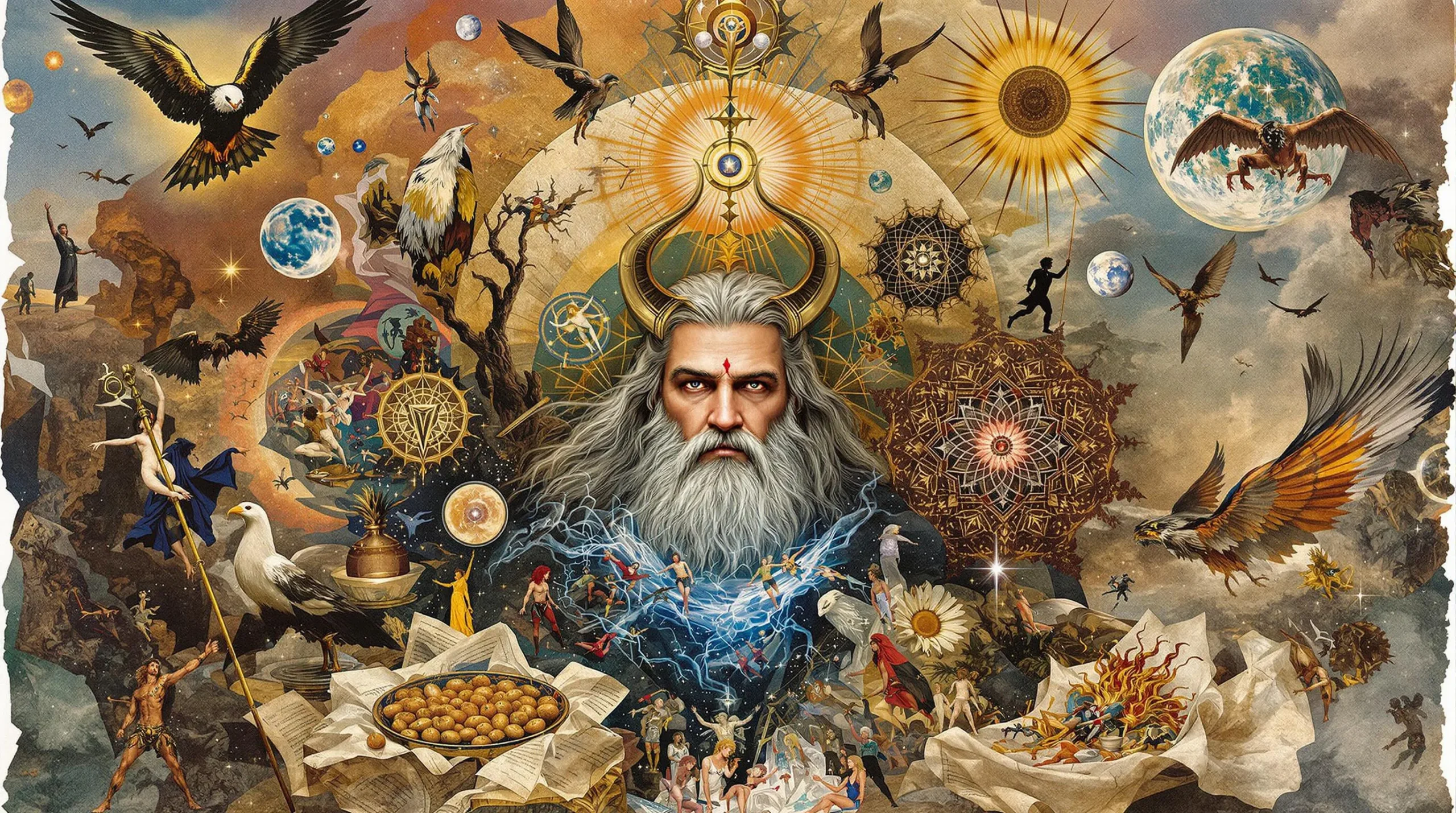
To find Odin walking the paths of your personal mythology is to consecrate your life to the quest. It symbolizes a relentless, often painful, pursuit of knowledge that transcends mere information. This is not the clean, well-lit library of Athena; it is the wind-whipped mountaintop, the dark forest, the gallows tree. Wisdom, in this context, is not a gift. It is a spoil of war, wrestled from a reluctant reality at great personal cost. The symbolism is one of transaction: an eye for a glimpse of the cosmic, a life risked for the alphabet of magic. This may manifest as a life defined by a series of intense, initiatory experiences rather than a steady, linear progression.
The archetype is also that of the eternal wanderer, the perpetual outsider looking in. Odin is the All-Father, yet he is rarely at home in Asgard. He is on the road, cloaked and disguised, gathering intelligence. For an individual, this may foster a mythology of the self as a pilgrim or an observer. You may feel you are traveling through life, a visitor in your own communities, your own relationships, even your own body. This distance provides a unique, panoramic perspective, the ability to see the whole board, but it comes with a persistent, gnawing loneliness. The symbolism here is of the lens: you are the eye that sees, but you are not always part of the scene you witness.
Finally, Odin is the master of the inspired word: the poet, the sorcerer, the sayer of runes. His is the magic of language, the power of a name, the force of a perfectly crafted verse. To have this aspect in your mythos is to believe that reality is shaped by narrative. Your primary tool for engaging with the world could be your voice, your pen, your ability to frame events in a compelling story. It symbolizes a life where the greatest power lies not in physical strength or material wealth, but in the subtle, profound art of communication, of casting spells with sentences and changing fates with stories.