 Believe
 Fear
Fear Strength
 Weakness
In the personal mythology of a modern individual, the Chimera may represent the beautiful and terrifying potential of a composite self. It is the patron saint of the multi-hyphenate, the artist-scientist, the spiritual banker, the person whose identity defies easy categorization. To have the Chimera as part of your inner landscape is to acknowledge that you are not one thing, but a living synthesis of many. It symbolizes a life path that is not about purification or specialization, but about audacious integration. It asks: what magnificent beast can you create from the parts of you that society insists do not belong together?
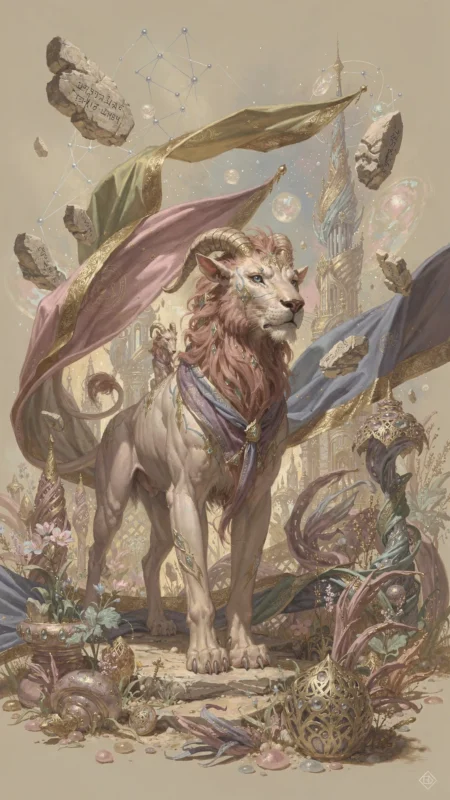
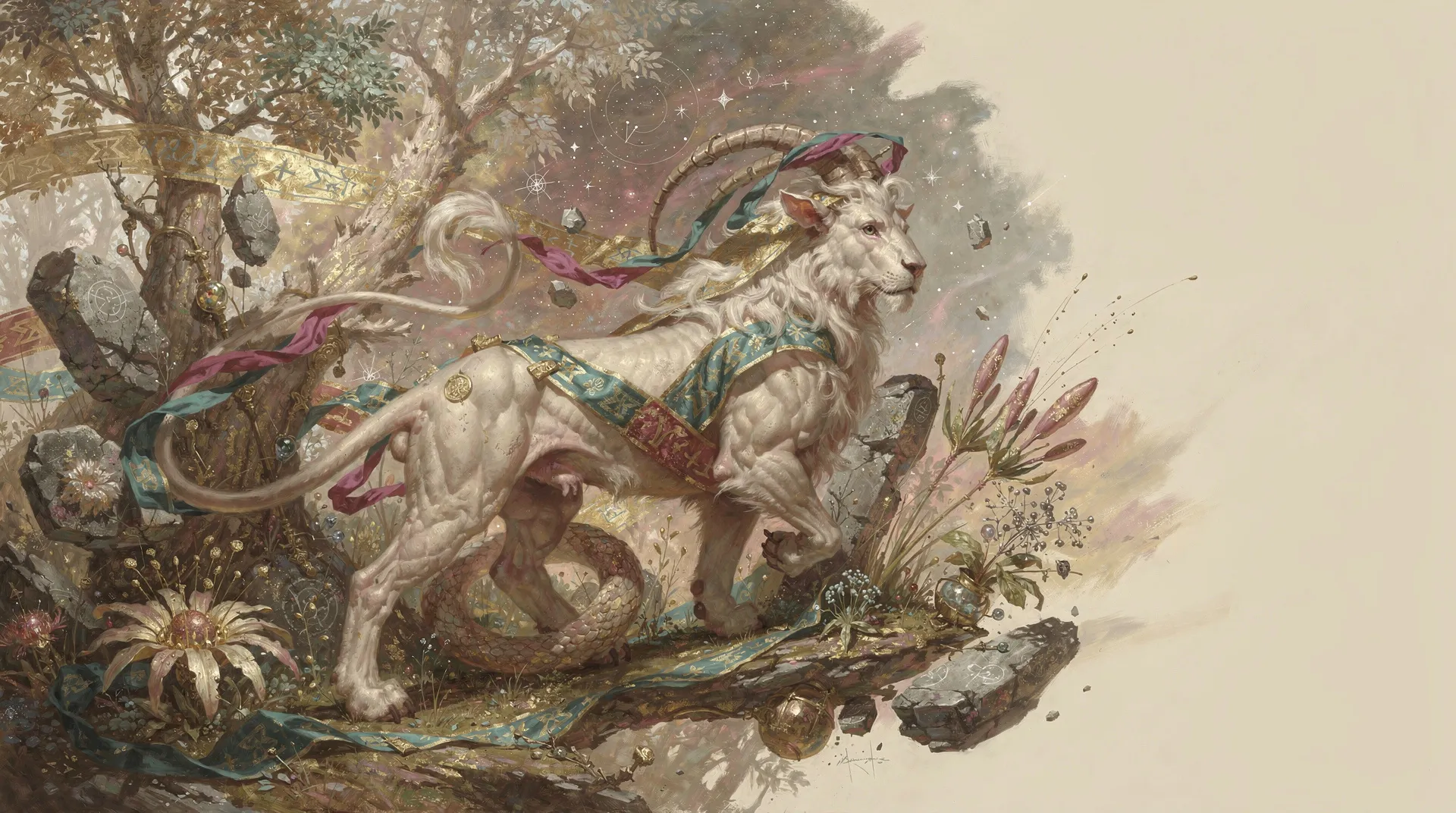
The Chimera's meaning unfolds in the tension between its parts. The lion’s head suggests courage, nobility, and raw power. The goat’s body, emerging from its back, might symbolize stubbornness, resilience, or even a sacrificial nature. The serpent’s tail points to cunning, primal wisdom, and transformation. An individual guided by the Chimera spirit animal may find these same forces at play within them: a noble ambition wrestling with a wild, untamable creativity; a desire for stability clashing with a need for constant reinvention. The symbolism is not in the individual parts, but in the volatile, energetic space where they meet.
Ultimately, the Chimera symbolizes a formidable, if unstable, kind of wholeness. It is a testament to the idea that one does not need to resolve one’s contradictions to be powerful. In fact, its power may derive directly from that internal friction. This archetype challenges the very notion of a singular, coherent self, proposing instead a self that is a coalition, a congress of competing and collaborating energies. It is the embodiment of radical self-acceptance, not of a polished and perfected self, but of a messy, miraculous, and powerful hybrid.