 Believe
 Fear
Fear Strength
 Weakness
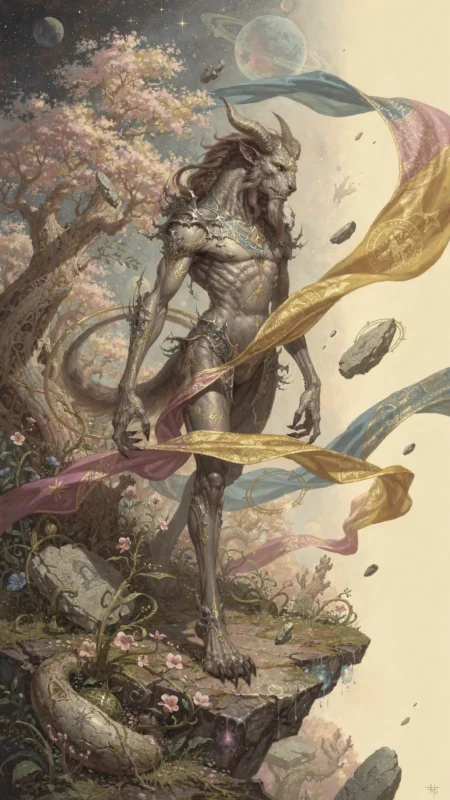
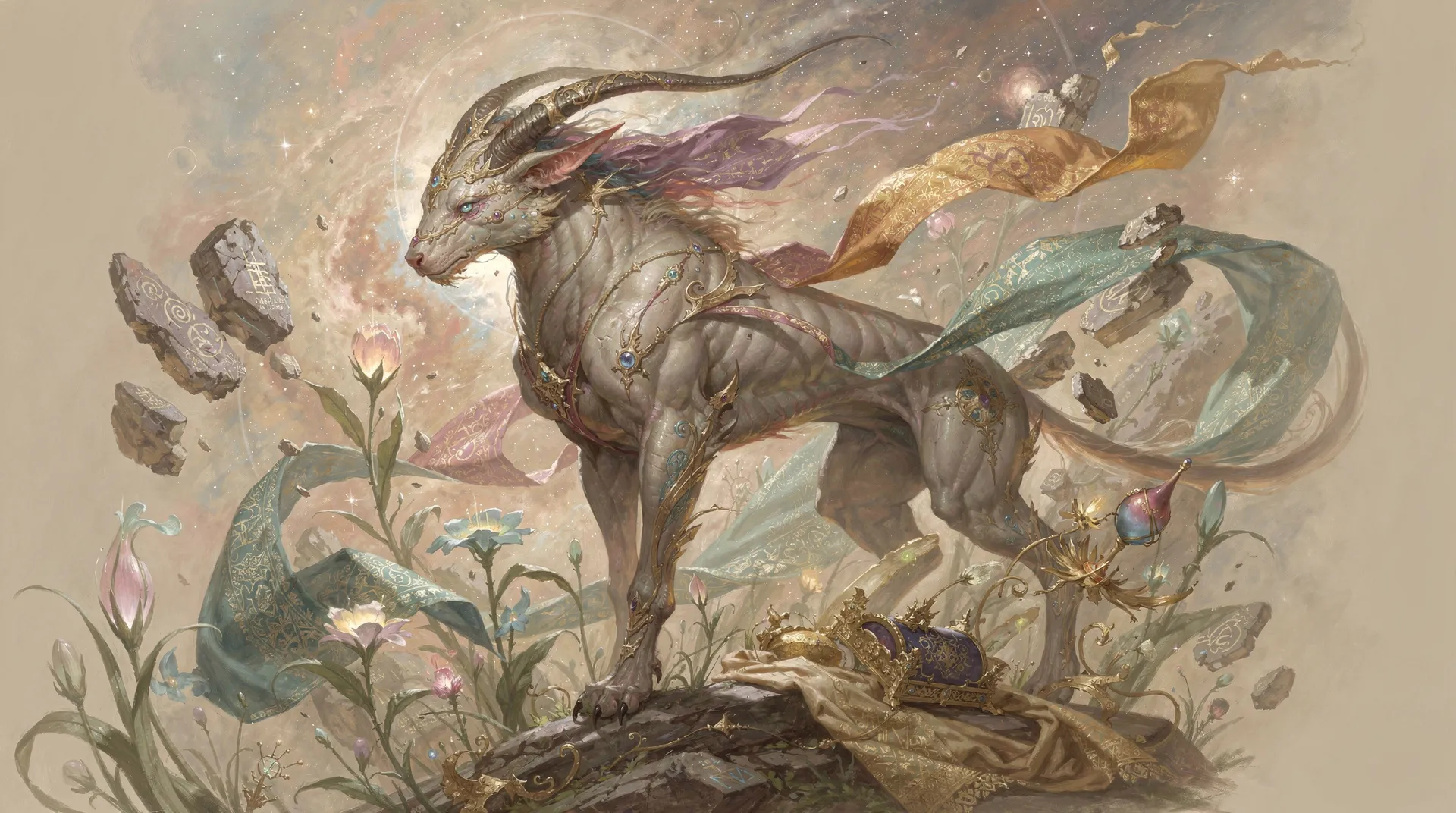
The Beast may symbolize the untamed aspects of ourselves, the primal instincts that often lie dormant beneath layers of social conditioning. It is the raw, unfiltered energy that drives us, the part of us that feels, hungers, and yearns. In the tapestry of personal mythology, the Beast could represent the confrontation with one’s own shadow self, the integration of those aspects we deem undesirable or fearsome. The Beast’s presence may push us to question the narratives we’ve constructed about who we are and what we’re capable of.
The Beast spirit animal prowls the edges of our consciousness, a reminder of our connection to the natural world, to the cyclical rhythms of life and death. It may embody the inherent wisdom of the body, the intuitive knowing that resides in our bones and blood. Perhaps the Beast calls us to shed the veneer of civility, to reconnect with our animal nature, to embrace the wildness that whispers within. It may be a catalyst for transformation, urging us to break free from the cages of self-imposed limitations and societal expectations.
The Beast’s symbolism is not always comfortable; it can be a harbinger of chaos, a disruption of the status quo. It may represent the forces of nature that can both create and destroy. The Beast spirit animal may remind us that life is not always pretty or predictable, and that true strength lies in the ability to adapt, to navigate the unknown with courage and resilience. It may challenge us to find beauty in the broken, to discover meaning in the messy, and to embrace the full spectrum of human experience.